Blog
April Garden Cleanup Checklist: What to Do First
The ultimate April garden cleanup checklist to get your beds ready for spring planting without damaging soil structure.
2026-03-25
April Garden Cleanup Checklist: What to Do First
Disclosure: As an Amazon Associate I earn from qualifying purchases.
Spring is the perfect time to refresh your garden and get it ready for a productive growing season. April is a pivotal month for cleanup because the soil begins to warm up, but it’s important to avoid disturbing the soil structure that plants rely on. This checklist will guide you through the essential first steps to prepare your garden beds without causing harm.
---
Why April Cleanup Matters
By April, winter debris has piled up, and many perennials are ready to wake up. Cleaning up now helps:
- Prevent diseases by removing old plant material
- Improve soil health by preparing beds correctly
- Create space for new growth and spring planting
But rushing in with heavy tools or tilling too early can damage soil microbes and structure. Let’s focus on the right approach.
---
April Garden Cleanup Checklist
1. Assess Your Garden Beds
- Walk through your garden and note areas with heavy debris or dead plant material.
- Identify which perennials need trimming and which plants are still dormant.
- Check soil moisture — avoid working beds if soil is soggy to prevent compaction.
2. Remove Winter Debris
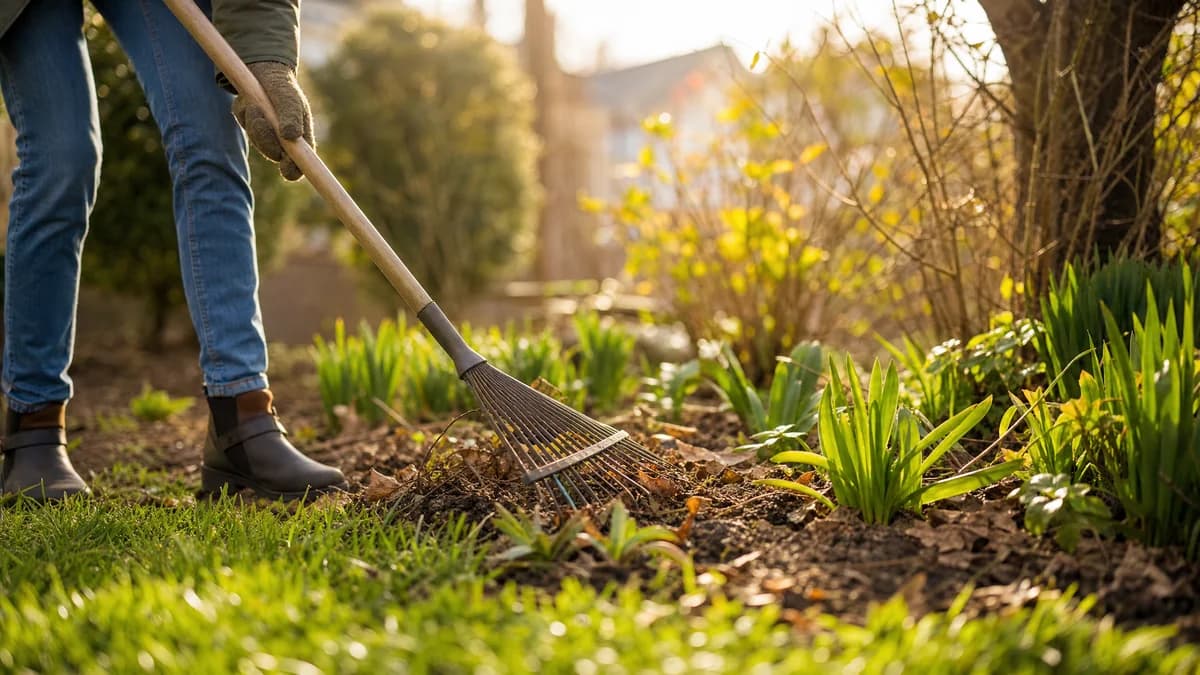
- Use hand tools or a leaf rake to gently clear away fallen leaves, dead stems, and mulch from beds.
- Avoid aggressive raking that disrupts the soil surface.
- Compost the debris if it’s disease-free; otherwise, dispose of it to prevent spreading pathogens.
3. Prune Dead and Damaged Growth
- Trim back dead foliage on perennials and shrubs with clean, sharp pruning shears.
- Remove any broken or diseased branches.
- Leave healthy new shoots intact to protect soil and encourage growth.
4. Avoid Early Digging or Tilling
- Resist the urge to dig or till your beds early in April.
- Soil is still recovering from winter, and turning it can harm beneficial organisms.
- If soil is dry enough toward late April, lightly aerate with a garden fork, but avoid deep disturbance.
5. Add Organic Matter
- Spread a thin layer of compost or well-rotted manure over your beds.
- This feeds soil life and improves texture without the need for digging.
- Mulch beds with straw or shredded leaves to retain moisture and suppress weeds.
6. Check and Clean Garden Tools
- Clean your pruning shears, rakes, and other tools to prevent disease spread.
- Sharpen blades for efficient cutting.
- Store tools in a dry place to prevent rust.
---
Helpful Tools and Products
To make your April cleanup easier and more efficient, consider these gardening essentials:
- Garden Hand Pruners (Amazon link)
---
Tips for a Successful April Cleanup
- Work on dry days to avoid compacting wet soil.
- Start with the easiest tasks to build momentum.
- Keep an eye on emerging plants to avoid accidental damage.
- Don’t over-clean; leaving some leaf litter can protect soil and beneficial insects.
---
FAQ
Q: Can I till my garden beds in April?
A: It’s best to avoid tilling early in April to protect soil structure. Light aeration with a garden fork is okay if soil is dry, but deep digging should wait until later in the season.
Q: Should I remove all old mulch and leaves?
A: Remove thick layers of old mulch and diseased debris, but thin layers can stay to protect soil life.
Q: When should I start planting after cleanup?
A: Once your beds are cleaned and soil has warmed—usually mid to late April—you can begin planting cool-season crops or transplanting perennials.
---
Starting your garden cleanup with care in April sets the stage for a thriving growing season. Follow this checklist, respect your soil, and your garden will thank you with bountiful blooms and harvests!
Ready to Design?
Upload a photo of your space and get beautiful, personalized design ideas in seconds.
Keep reading
Seasonal planting reminders and expert guides — free.