Blog
Essential May Gardening Tasks: Getting Ready for Summer
May is a crucial month in the garden! Learn the most important gardening tasks to tackle right now, from direct sowing warm-season crops to essential pruning.
2026-05-13
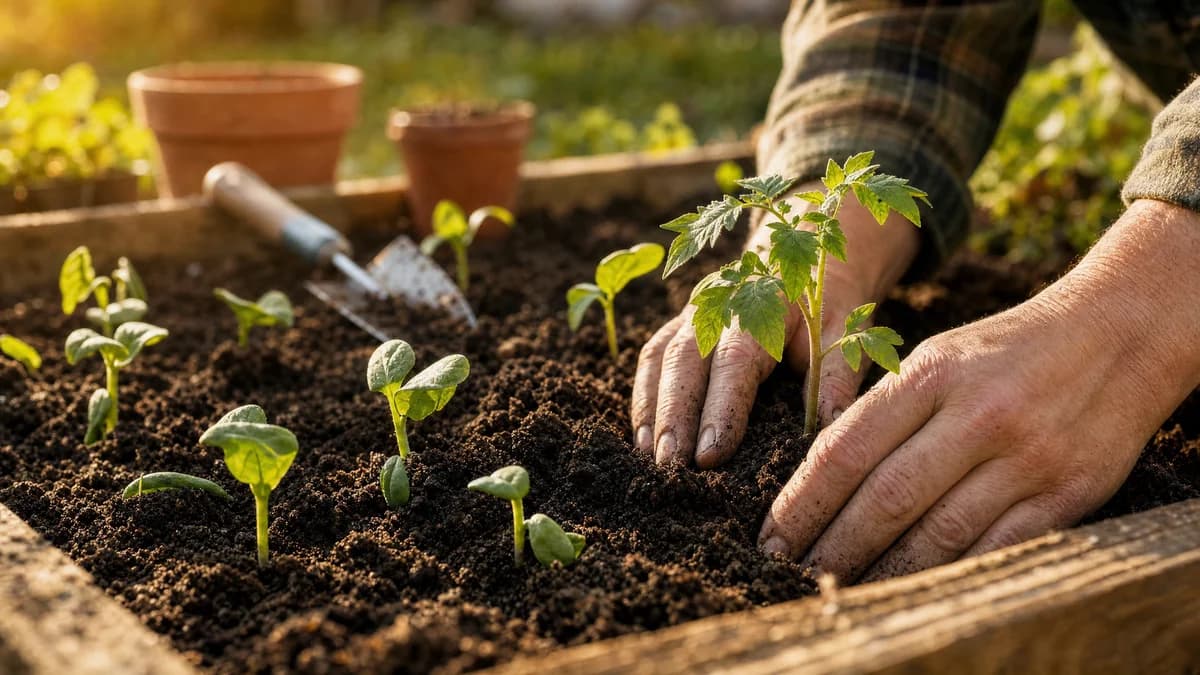
Welcome to May! For many of us, this is the month where the garden truly springs to life. The risk of frost has usually passed, the soil is warming up nicely, and there's a palpable energy in the air. It’s an exciting time, but it can also feel a little overwhelming. There is so much to do!
Don't worry, though. Gardening should be a pleasure, not a source of stress. Let's break down the essential tasks you should be focusing on this month to ensure a beautiful, productive summer garden. Think of this as friendly advice from your neighbor over the garden fence.
1. Direct Sow Warm-Season Crops
Now that the soil has warmed up, it's time to get those seeds in the ground! While we started things like tomatoes and peppers indoors weeks ago, many crops actually prefer to be sown directly where they will grow.
May is the perfect time to plant seeds for:
* Beans: Both bush beans and pole beans thrive when planted in warm soil. They germinate quickly and grow fast.
* Cucumbers: Give them plenty of space to vine, or train them up a sturdy trellis.
* Squash and Zucchini: These are notorious space hogs, so plan accordingly!
* Melons: If you have a long, hot summer ahead, get your cantaloupe and watermelon seeds in now.
Remember to keep the soil consistently moist while you wait for germination.
2. Harden Off and Transplant Seedlings
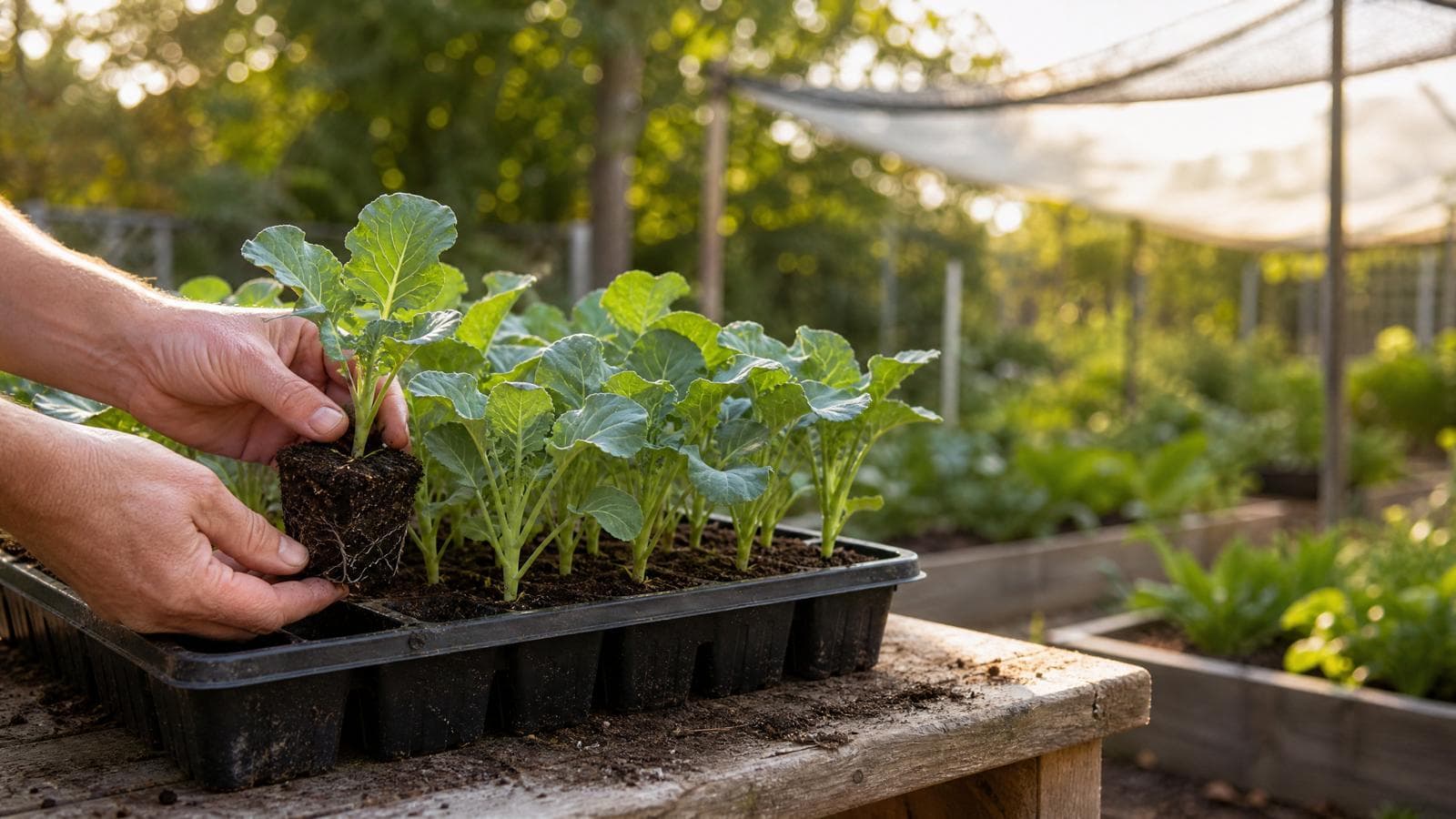
If you’ve been patiently nurturing seedlings indoors (or if you’ve just come back from the nursery with a car full of plants), it’s almost time to move them to their permanent homes. But wait! You can't just toss them out into the bright sun and wind.
You need to "harden them off" first. This is a gradual process of acclimating tender indoor plants to outdoor conditions. Over the course of 7-10 days, slowly expose them to more sun and wind, starting with just a few hours in a sheltered, shady spot.
Once they are toughened up, you can transplant your tomatoes, peppers, eggplants, and annual flowers.
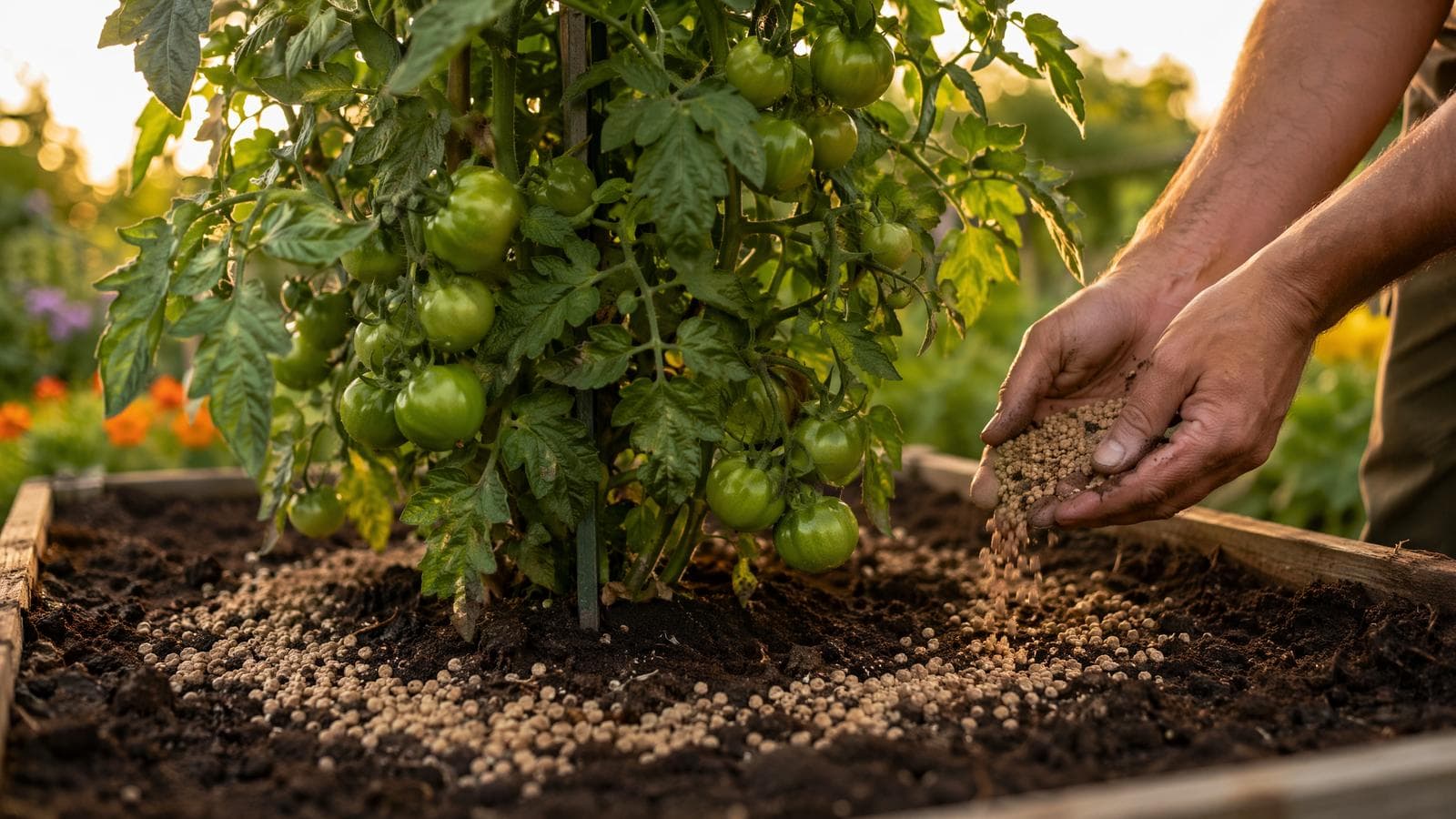
*Master Gardener Tip:* When transplanting, I always recommend using a high-quality organic transplant fertilizer to help reduce transplant shock and encourage strong root development right from the start.
3. Stay Ahead of the Weeds
I know, I know. Nobody likes weeding. But trust me, tackling weeds now is infinitely easier than trying to wrestle with them in July when they are three feet tall and have gone to seed.
In May, weeds are actively growing, competing with your precious plants for water, nutrients, and sunlight. Make a habit of doing a quick "weed walk" through your garden every few days. A sharp hoe is your best friend right now. Try to get them while they are small, and always try to pull them before they flower.
Once you have an area cleared, applying a thick layer of mulch will work wonders to suppress future weed growth.
4. Prune Spring-Flowering Shrubs
If you have shrubs that bloom in the early spring—like lilacs, forsythia, or azaleas—May is usually the time to prune them. The general rule of thumb is to prune these shrubs *immediately after* they finish flowering.
If you wait too long and prune them in the late summer or fall, you risk cutting off the buds that are developing for next year's display. Grab a sharp pair of bypass pruners, remove any dead or crossing branches, and shape the shrub lightly.
5. Support Your Tall Plants
It's easy to look at a small tomato seedling and forget that it will soon be a towering, sprawling monster. Don't wait until your plants are falling over to provide support!
Get your tomato cages, stakes, and trellises in place now. It's much easier to install a cage over a small plant than to try and wrestle a large, brittle plant into one later. This also applies to tall flowers like peonies and delphiniums, which often need a little help standing up to spring rains and wind.
May is a busy month, but it's also incredibly rewarding. Take it one task at a time, enjoy the sunshine on your back, and watch as your garden transforms. You're setting the stage for a wonderful summer!
---
*Disclosure: As an Amazon Associate I earn from qualifying purchases.*
Frequently Asked Questions
Q: Is it too late to plant potatoes in May?
A: In many areas, May is still a great time to plant potatoes, especially if you live in a cooler climate. If you have a long, hot summer, look for "early" or "mid-season" varieties that mature faster before the extreme heat sets in.
Q: Should I fertilize my lawn in May?
A: It depends on the type of grass you have. If you have warm-season grass (like Bermuda or Zoysia), May is an excellent time to fertilize as it enters its active growth phase. If you have cool-season grass (like Kentucky Bluegrass or Fescue), it's generally better to fertilize lightly in late spring or wait until the fall.
Q: How often should I water my newly planted seeds?
A: The key with newly planted seeds is to keep the top layer of soil consistently moist, but not soggy. Depending on the weather, this might mean a light watering once or even twice a day until they germinate. Once they sprout and develop true leaves, you can begin watering more deeply and less frequently.
Ready to Design?
Upload a photo of your space and get beautiful, personalized design ideas in seconds.
Keep reading
Seasonal planting reminders and expert guides — free.