Blog
Understanding Soil pH: The Secret to Thriving Summer Vegetables
Unlock the secret to a highly productive vegetable garden by understanding soil pH. Learn how to test your soil, why pH matters, and how to adjust it for optimal plant health.
2026-05-13
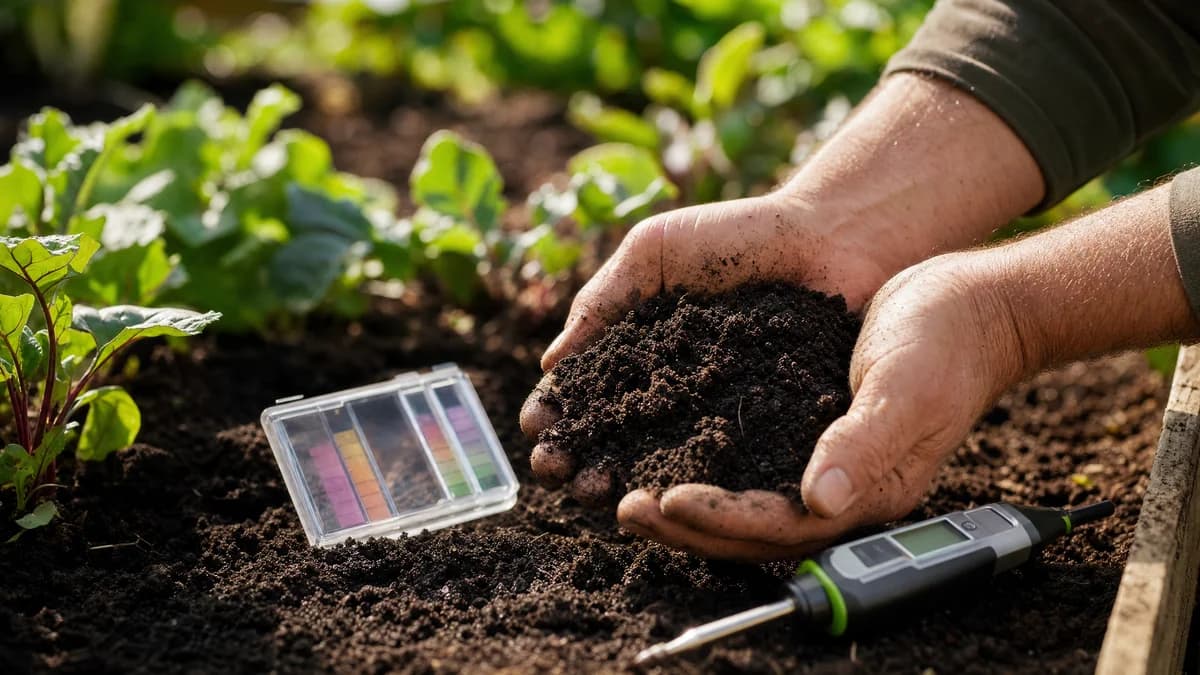
As we dive deeper into May and start planting out our warm-season crops like tomatoes, peppers, and squash, it's easy to focus entirely on the plants themselves. We worry about sunlight, watering schedules, and keeping pests at bay. But often, the most critical factor for a successful harvest is completely invisible to the naked eye: the pH level of your soil.
Understanding and managing soil pH might sound like a science experiment, but it is actually one of the most fundamental and impactful skills you can develop as a home gardener. Let's break it down into simple, actionable steps so your summer vegetables can truly thrive.
What is Soil pH and Why Does it Matter?
Soil pH is a measure of how acidic or alkaline your soil is, measured on a scale from 0 to 14. A pH of 7.0 is considered neutral. Anything below 7.0 is acidic, and anything above 7.0 is alkaline.
Why should you care? Because soil pH directly controls how well your plants can absorb nutrients. You could have the richest, most compost-heavy soil in the neighborhood, but if the pH is significantly off, those nutrients will remain "locked up" in the soil, completely unavailable to your plant's roots.
Think of pH as the key that unlocks the pantry door. If you don't have the right key, your plants will starve, no matter how much food is sitting right in front of them.
The Sweet Spot for Vegetables
Most common garden vegetables—including tomatoes, peppers, beans, and squash—prefer slightly acidic soil. The ideal pH range for a productive vegetable garden is generally between 6.0 and 7.0, with 6.5 often cited as the absolute sweet spot.
In this range, essential nutrients like nitrogen, phosphorus, and potassium are most readily available to the plants. There are exceptions, of course. Blueberries, for instance, are famous for requiring highly acidic soil (around 4.5 to 5.5). But for a standard kitchen garden, aiming for that 6.0 to 7.0 range is your best bet.
How to Test Your Soil pH
Before you can fix a problem, you need to know if you actually have one! Testing your soil pH is easy and should ideally be done every few years.
There are a few ways to go about it:
1. Professional Soil Testing: This is the most accurate method. You collect soil samples from your garden and send them to your local agricultural extension office or a private lab. For a small fee, they will provide a detailed report on your pH, nutrient levels, and specific recommendations for amendments.
2. Home Testing Kits: These are readily available at garden centers and online. They usually involve mixing a soil sample with water and a chemical powder or liquid, then comparing the resulting color to a chart. While not as precise as a lab test, they give a very good general indication.
3. Digital pH Meters: These handy tools are inserted directly into moist soil to give a reading. If you want a quick and reusable option, a digital meter is a great investment. I recommend the Luster Leaf Rapitest Digital Soil pH Meter for reliable home use.
When taking a soil sample, be sure to dig down about 4 to 6 inches, as this is where the bulk of the root zone will be. Mix samples from a few different spots in your garden bed for a more accurate average reading.
How to Adjust Your Soil pH
If your test results come back outside the ideal 6.0 to 7.0 range, don't panic! Soil pH can be adjusted, though it is a slow process that requires patience.
Raising the pH (Making Soil More Alkaline)
If your soil is too acidic (below 6.0), you need to raise the pH. The most common way to do this is by adding agricultural limestone (lime).
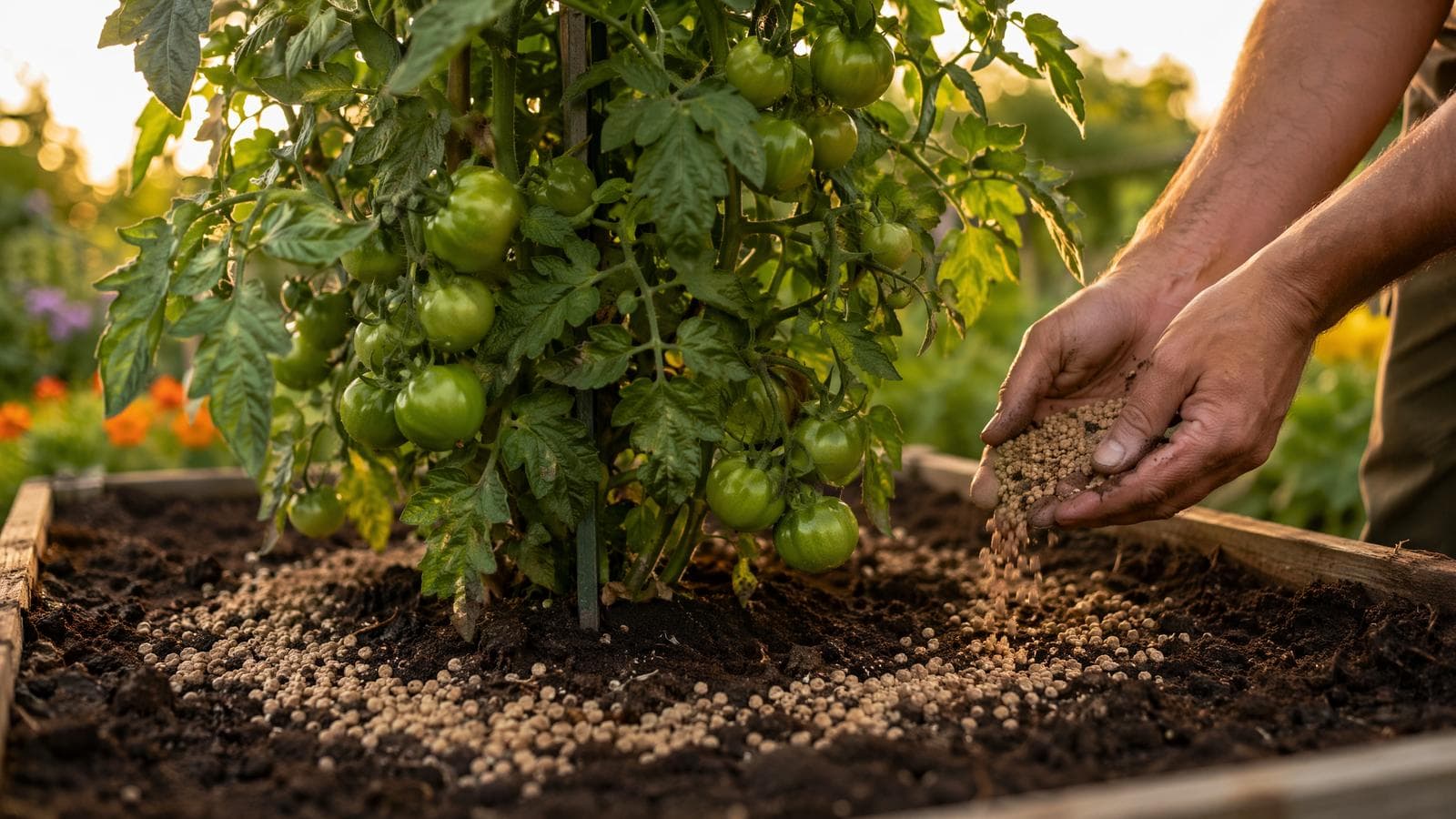
Lime comes in different forms, including pulverized, granular, and pelletized. Pelletized lime is often the easiest to apply evenly. The amount of lime you need depends on how much you need to raise the pH and your soil type (clay soils require more lime than sandy soils). Always follow the application rates recommended on the product packaging or your soil test report.
*Pro Tip:* It's best to apply lime in the fall so it has all winter to break down and alter the soil chemistry, but you can apply it in the spring if necessary.
Lowering the pH (Making Soil More Acidic)
If your soil is too alkaline (above 7.0), you need to lower the pH. This is common in arid regions.
The most effective way to lower soil pH is by incorporating elemental sulfur. Like lime, sulfur takes time to work as soil bacteria need to process it. You can also use aluminum sulfate for a faster reaction, but elemental sulfur is generally preferred for organic gardening.
Adding generous amounts of organic matter, such as compost, peat moss, or pine needles, will also naturally lower the pH slightly over time while improving soil structure.
The Importance of Organic Matter
Regardless of your starting pH, the best thing you can do for your soil is to consistently add organic matter. High-quality compost acts as a buffer in the soil, helping to stabilize the pH and making it more forgiving if the levels aren't absolutely perfect. It also improves drainage in clay soils and water retention in sandy soils.
FAQ
Q: Can I use coffee grounds to lower my soil pH?
A: Fresh coffee grounds are slightly acidic and can help lower pH over time. However, once coffee grounds are brewed, most of the acidity ends up in your cup. Used coffee grounds are closer to neutral but are still an excellent source of organic matter and a mild nitrogen boost for the garden.
Q: How long does it take to change soil pH?
A: Changing soil pH is not an overnight fix. It can take several months for lime or sulfur to fully react with the soil. This is why testing and amending in the fall is often recommended for the following spring's garden.
Q: Do I need to test the pH of my potting soil for container gardening?
A: High-quality commercial potting mixes are usually pH-balanced specifically for vegetables and flowers (typically around 6.5). Unless you are reusing old potting soil or creating your own mix from scratch, you generally don't need to worry about testing it.
Taking the time to understand and manage your soil pH is one of the most rewarding investments you can make in your garden. Happy planting!
*Disclosure: As an Amazon Associate I earn from qualifying purchases.*
Ready to Design?
Upload a photo of your space and get beautiful, personalized design ideas in seconds.
Keep reading
Seasonal planting reminders and expert guides — free.