Blog
The Complete Guide to Growing Cucumbers from Seed in Your Home Garden
Learn how to successfully grow crisp, delicious cucumbers from seed. We cover everything from soil preparation and sowing depth to common problems and watering tips.
2026-05-13
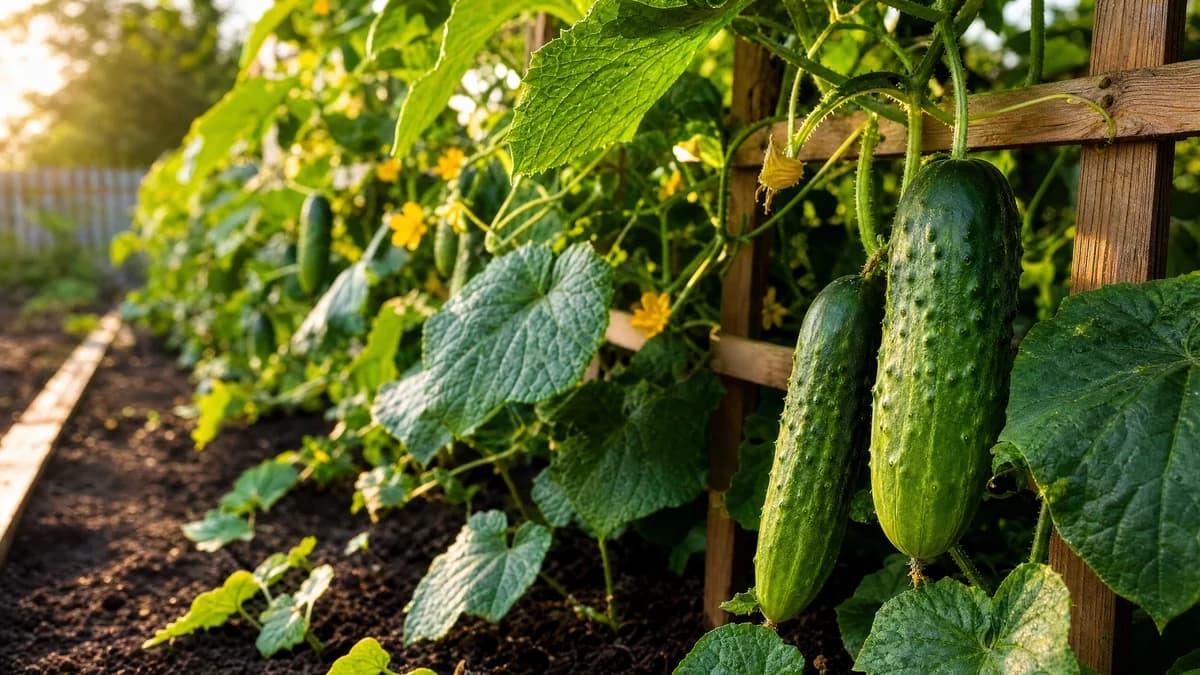
There is nothing quite like the crunch of a fresh cucumber pulled straight from your own garden on a hot summer day. Whether you prefer slicing cucumbers for salads or pickling varieties for preserving, growing them from seed is incredibly rewarding and surprisingly simple. Now that we are well into May and the soil has warmed up, it is the perfect time to get those seeds in the ground!
Let's walk through the process together, from preparing the perfect soil bed to harvesting your first crisp cucumber. Think of this as friendly advice from your neighbor over the garden fence.
Preparing the Soil for Cucumber Success
Cucumbers are heavy feeders and thrive in rich, well-draining soil. Before you even open your seed packet, take some time to prepare their home.
First, ensure your soil is warm enough. Cucumbers hate cold feet! Wait until all danger of frost has passed and the soil temperature is consistently above 70ºF (21ºC). If you try to plant too early in cold, wet soil, the seeds are likely to rot before they even sprout.
Next, focus on nutrition. Work a generous amount of high-quality compost or well-rotted manure into the top few inches of your soil. Cucumbers prefer a slightly acidic to neutral soil pH, ideally between 6.0 and 7.0. If you haven't tested your soil recently, it might be worth picking up a simple home testing kit.
If you are gardening in raised beds or containers, use a premium potting mix specifically formulated for vegetables to ensure excellent drainage and aeration.
Sowing Cucumber Seeds
When it comes to planting cucumber seeds, you have two main options: planting them in hills or in rows.
The Hill Method
The "hill" method doesn't necessarily mean a large mound of dirt, but rather a grouping of plants. Create a small, flat-topped mound about 18 inches across. Plant 3 to 4 seeds per hill, spacing them a few inches apart.
The Row Method
If you are planting along a trellis (which I highly recommend to save space and keep the fruit clean!), plant the seeds in a row. Space the seeds about 6 to 8 inches apart.
Planting Depth
A common mistake is planting seeds too deeply. Cucumber seeds should only be planted about 1/2 inch to 1 inch deep. A good general rule of thumb for most seeds is to plant them no deeper than twice their width. Cover them lightly with soil and gently pat it down to ensure good seed-to-soil contact.
Essential Care for Growing Cucumbers
Once your seeds are in the ground, they need consistent care to thrive.
Watering: The Golden Rule
Cucumbers are mostly water, so it makes sense that they need plenty of it to grow crisp, non-bitter fruit. They require at least 1 inch of water per week, and even more during hot, dry spells.
Always water deeply at the base of the plant, avoiding the leaves as much as possible. Wet foliage can encourage fungal diseases like powdery mildew. A soaker hose or drip irrigation system is ideal for cucumbers. If you are hand watering, try to do it early in the morning so any splashed leaves have time to dry in the sun.
Mulching
Applying a layer of organic mulch, such as straw or shredded leaves, around your cucumber plants is highly beneficial. Mulch helps retain soil moisture, suppresses weeds that compete for nutrients, and keeps the developing fruit off the bare soil, reducing the risk of rot.
Feeding
Since they grow so quickly, cucumbers benefit from regular feeding. Once the plants begin to flower, apply a balanced, organic liquid fertilizer every couple of weeks. Look for a fertilizer that isn't too high in nitrogen, as excessive nitrogen will encourage lots of leafy growth at the expense of fruit production.
If you need a good organic fertilizer, I often use and recommend Espoma Organic Garden-Tone. It's reliable and provides the right balance of nutrients for fruiting vegetables.
Managing Common Cucumber Problems
Even with the best care, you might encounter a few hiccups along the way. Here are two of the most common issues and how to handle them organically.
Cucumber Beetles
These small, yellow-and-black striped or spotted beetles are the bane of many cucumber growers. Not only do they chew holes in the leaves, but they can also transmit a fatal disease called bacterial wilt.
To manage them, inspect your plants regularly, especially early in the season. You can hand-pick the beetles and drop them into a bucket of soapy water. Covering young plants with floating row covers can also prevent the beetles from reaching them, but remember to remove the covers once the plants start flowering so bees can pollinate them. Spraying neem oil at the first sign of damage can also help deter them.
Powdery Mildew
This fungal disease looks like a dusting of white powder on the leaves. It usually strikes later in the season when the weather is humid.
Prevention is the best cure. Ensure your plants have good air circulation by spacing them properly and growing them on a trellis. Avoid overhead watering. If powdery mildew does appear, you can try an organic fungicidal spray or a homemade mixture of baking soda and water, though severely infected leaves should be carefully removed and disposed of in the trash, not the compost bin.
Harvesting Your Bounty
Cucumbers grow incredibly fast once they start producing. Check your vines daily! Harvest cucumbers when they reach the desired size for the variety you planted. If you leave them on the vine too long, they will become yellow, tough, and bitter, and the plant will stop producing new flowers.
Use a sharp pair of pruners or scissors to cut the stem just above the fruit. Pulling or twisting the cucumber can damage the delicate vine.
FAQ
Q: Do I need to grow cucumbers on a trellis?
A: While not strictly necessary for all varieties (bush types do fine on the ground), vining cucumbers benefit greatly from a trellis. It saves space, improves air circulation (reducing disease), and makes harvesting much easier.
Q: Why are my cucumbers bitter?
A: Bitterness is usually caused by stress, most commonly inconsistent watering or extreme heat. Ensure your plants get steady, deep watering.
Q: Why are my cucumber plants flowering but not producing fruit?
A: This is usually a pollination issue. Cucumbers produce separate male and female flowers. The male flowers usually appear first. If you have both types of flowers but no fruit, you may lack pollinators like bees. You can try hand-pollinating by transferring pollen from a male flower to a female flower using a small paintbrush.
Happy planting, and may your summer be filled with crisp, refreshing cucumbers!
*Disclosure: As an Amazon Associate I earn from qualifying purchases.*
Ready to Design?
Upload a photo of your space and get beautiful, personalized design ideas in seconds.
Keep reading
Seasonal planting reminders and expert guides — free.