Blog
The Best Mulch for Vegetable Gardens (And What to Avoid)
A complete guide to choosing the right mulch for your vegetable garden to retain moisture, block weeds, and improve soil.
2026-03-29
The Best Mulch for Vegetable Gardens (And What to Avoid)
Disclosure: As an Amazon Associate I earn from qualifying purchases.
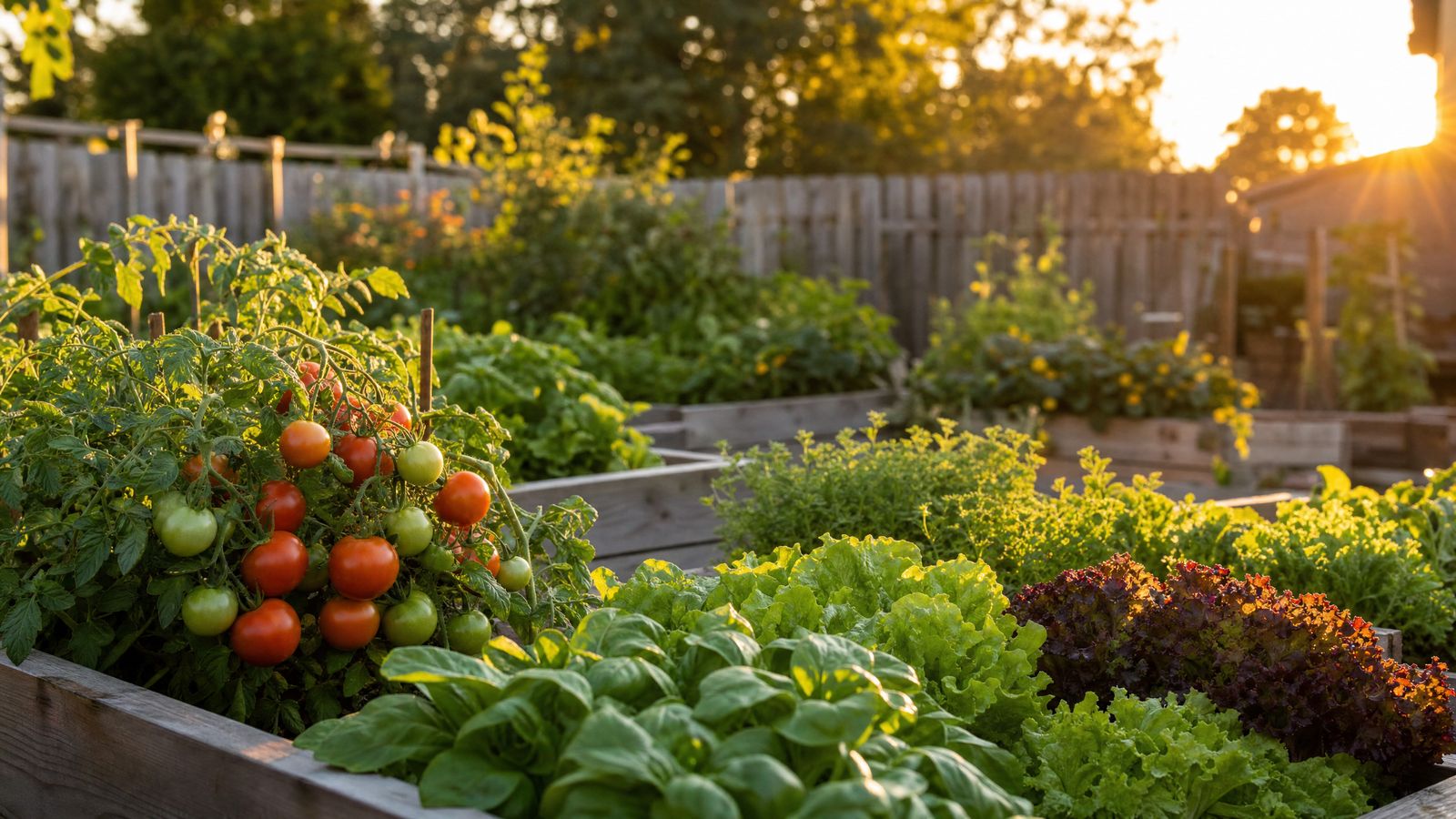
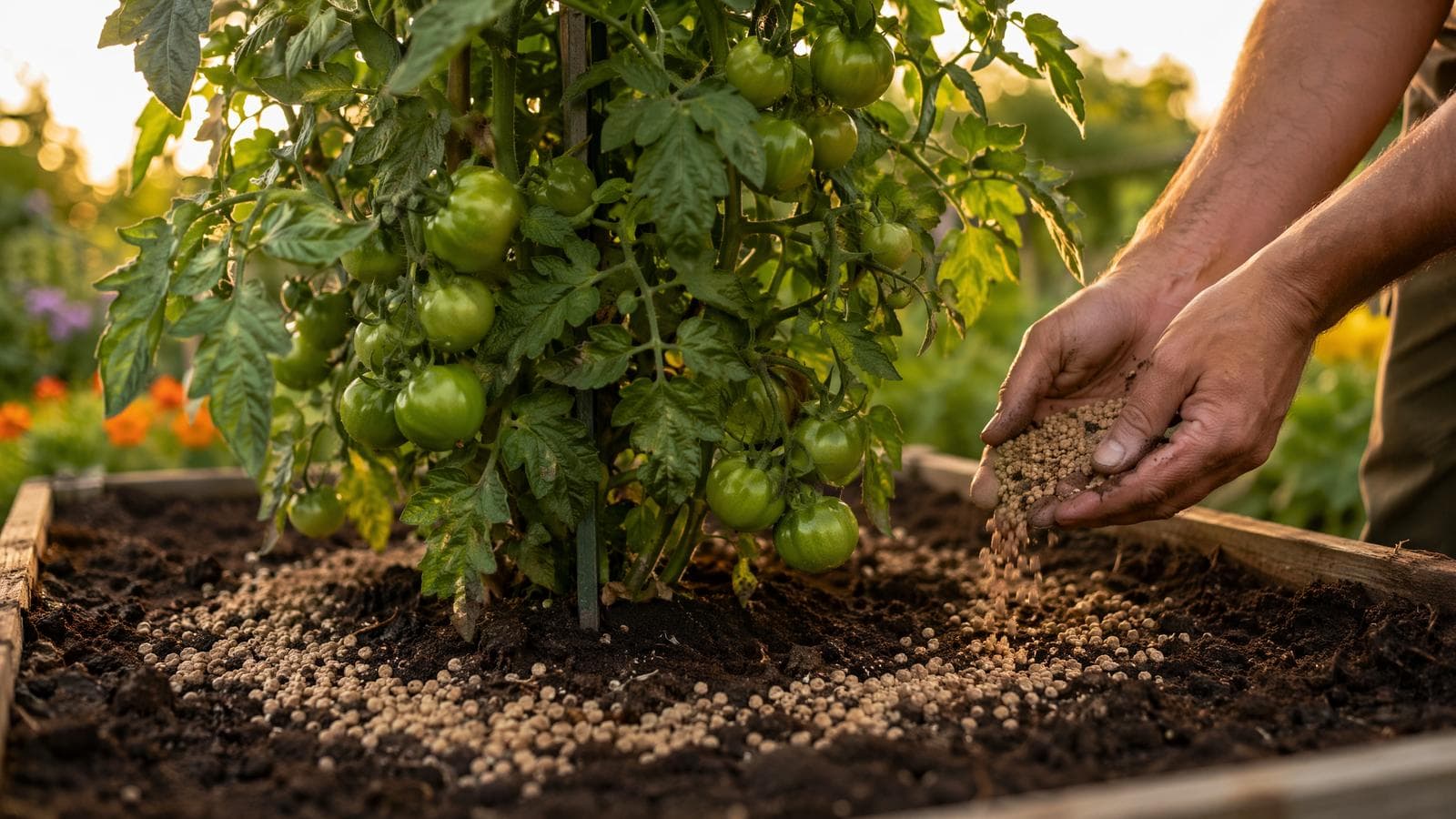
Mulching is one of the simplest and most effective ways to improve your vegetable garden. The right mulch keeps soil moist, suppresses weeds, regulates soil temperature, and even enriches your soil as it breaks down. But not all mulches are created equal—especially when it comes to vegetable gardens where soil health and food safety matter most.
In this guide, we’ll explore the best mulches for vegetable gardens, what to avoid, and practical tips for applying mulch to get the most from your garden.
---
Why Mulch Matters in Vegetable Gardens
Mulch acts as a protective blanket over your soil. Here’s what it does for your vegetable garden:
- Retains Moisture: Mulch reduces evaporation, so your plants need less frequent watering.
- Suppresses Weeds: A thick mulch layer blocks sunlight, preventing weed seeds from sprouting.
- Improves Soil Health: Organic mulches decompose over time, adding nutrients and improving soil texture.
- Regulates Temperature: Mulch keeps soil cooler in hot weather and warmer in cooler weather.
- Prevents Soil Splash: It can reduce the spread of soil-borne diseases by preventing soil from splashing onto plant leaves during rain or watering.
---
Best Mulch Choices for Vegetable Gardens
1. Straw or Hay
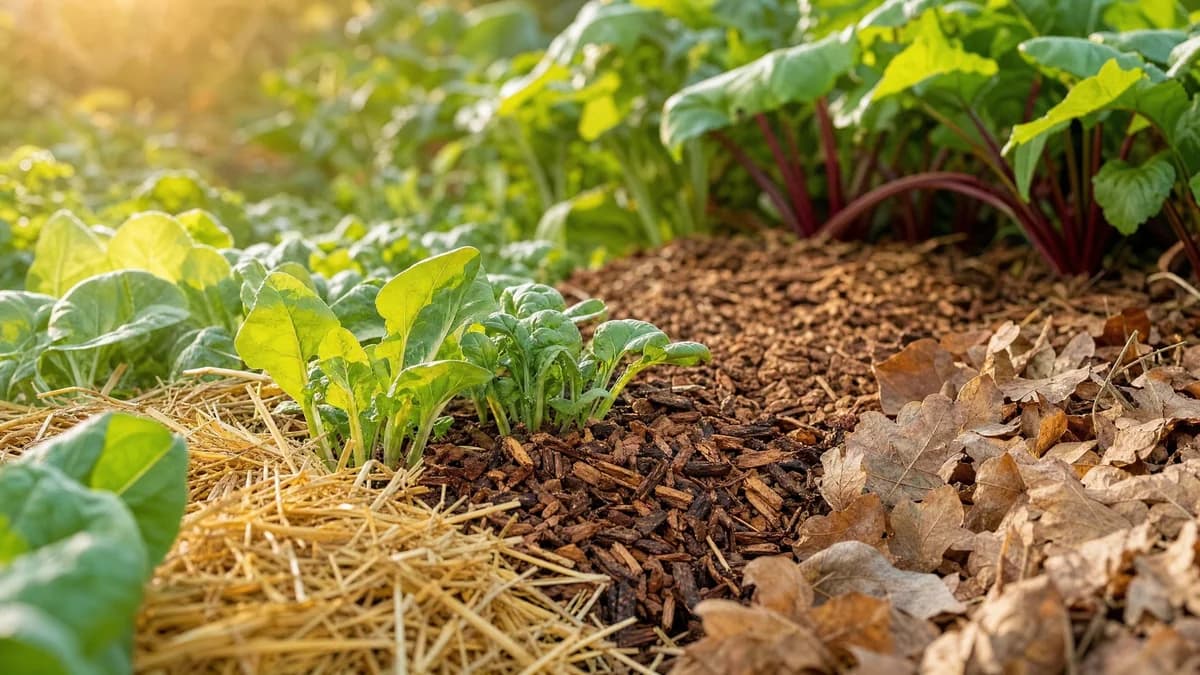
- Pros: Straw is light, easy to spread, and decomposes fairly quickly, adding organic matter to the soil.
- Cons: Make sure to buy weed-free straw to avoid introducing weed seeds. Hay often contains seeds and should be avoided.
- Use: Apply a 2-3 inch layer around vegetables, keeping mulch a couple of inches away from plant stems to prevent rot.
2. Grass Clippings
- Pros: Readily available and rich in nitrogen, which benefits soil fertility.
- Cons: Use only untreated grass clippings free of herbicides or pesticides. Spread thinly and allow to dry before applying to avoid matting and odor.
- Use: Apply a thin layer (about 1 inch) and replenish frequently.
3. Shredded Leaves
- Pros: Excellent for improving soil structure as they break down slowly.
- Cons: Make sure leaves are shredded to avoid matting and allow water penetration.
- Use: Layer about 2-3 inches deep around plants.
4. Compost
- Pros: Adds nutrients and beneficial microbes directly to the soil.
- Cons: Should be well-aged and fully composted to avoid burning plants.
- Use: Use as a mulch layer or mix into soil before planting.
5. Pine Needles
- Pros: Lightweight and long-lasting, they create good drainage and are slightly acidic, which some veggies (like blueberries) prefer.
- Cons: Acidic nature may not suit all vegetables.
- Use: Apply a 2-inch layer, refreshing as needed.
---
Mulches to Avoid in Vegetable Gardens
- Black Plastic or Landscape Fabric: These block weeds but also prevent water and air from reaching the soil, which can harm soil life and root development. They also don’t add any nutrients.
- Inorganic Mulches (Rubber, Gravel): These do not improve soil health and can retain heat excessively, stressing plants.
- Fresh Wood Chips or Bark: These can tie up nitrogen in the soil as they decompose, depriving your vegetables of this vital nutrient.
- Hay: Often contains weed seeds and can introduce pests and diseases.
---
How to Apply Mulch Correctly in Your Vegetable Garden
- Prepare Soil First: Remove existing weeds and water the soil well before applying mulch.
- Depth Matters: Apply a 2-3 inch layer of organic mulch. Too thin won’t suppress weeds; too thick can suffocate roots and cause moisture problems.
- Keep Mulch Away from Stems: Leave a small gap between mulch and plant stems to prevent rot and pest issues.
- Replenish as Needed: Organic mulches break down over time and may need to be topped up during the growing season.
- Water After Mulching: This helps settle the mulch and ensures moisture reaches the roots.
---
Recommended Tools and Supplies
- Garden Mulch Spreader (Amazon link)
- Organic Mulch for Vegetable Gardens (Amazon link)
---
Final Thoughts
Choosing the right mulch can make a big difference in your vegetable garden’s success. Organic mulches like straw, shredded leaves, and compost not only keep weeds and moisture in check but also feed your soil and plants naturally. Avoid synthetic mulches and fresh wood chips that can hurt soil health.
With proper application and maintenance, mulch helps you grow healthier, more productive vegetables with less effort.
Happy gardening!
---
FAQ
Q: Can I use newspaper or cardboard as mulch in my vegetable garden?
A: Yes! They work well as biodegradable weed barriers. Use a few layers, wet them down, and cover with organic mulch to improve appearance and prevent blowing.
Q: How often should I replenish mulch in my vegetable garden?
A: Generally, replenish organic mulch every 4-6 weeks during the growing season as it decomposes.
Q: Will mulch attract pests to my vegetable garden?
A: Some mulches may attract slugs or rodents if applied too thickly or kept too moist. Keep mulch away from plant stems and monitor for pests.
Q: Is mulch necessary for small container vegetable gardens?
A: Mulch can help retain moisture and reduce soil temperature in containers, but use sparingly to avoid waterlogging.
---
Mulching your vegetable garden right can save time, water, and improve yields. Start with the best organic options, avoid harmful materials, and enjoy a flourishing garden all season long!
Ready to Design?
Upload a photo of your space and get beautiful, personalized design ideas in seconds.
Keep reading
Seasonal planting reminders and expert guides — free.