Blog
Companion Planting for Tomatoes: Best Friends and Worst Enemies
Boost your tomato yield and deter pests by planting these specific companion plants nearby.
2026-04-06
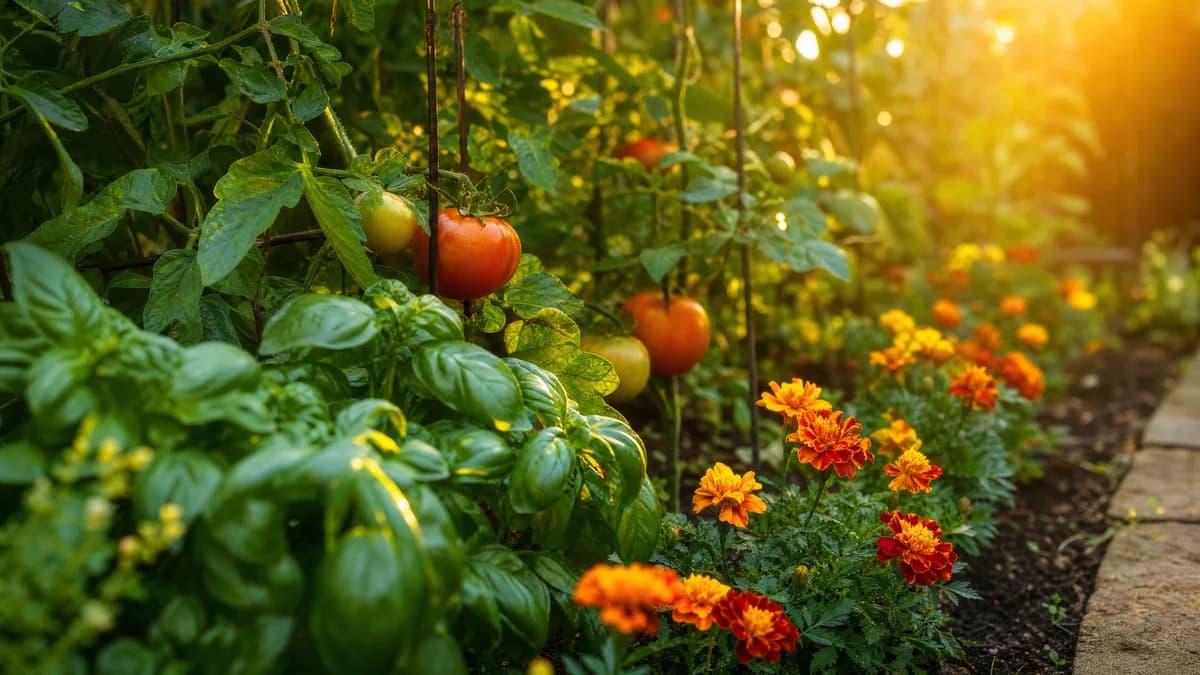
Companion Planting for Tomatoes: Best Friends and Worst Enemies
Disclosure: As an Amazon Associate I earn from qualifying purchases.
Tomatoes are a garden favorite for their versatility and delicious flavor, but they can be a magnet for pests and diseases. Companion planting is a smart and natural way to boost your tomato yield, improve soil health, and keep pests at bay. By choosing the right plants to grow alongside your tomatoes, you create a supportive environment that benefits both.
In this guide, we’ll explore the best companions for tomatoes—their “best friends”—and the plants you should avoid, their “worst enemies.” Let’s dig in!
Why Companion Planting Works
Companion plants can:
- Repel harmful insects such as aphids, whiteflies, and tomato hornworms.
- Attract beneficial insects like pollinators and predatory wasps.
- Enhance growth by improving soil nutrients or providing shade.
- Reduce disease risk by diversifying your garden.
Best Companion Plants for Tomatoes
1. Basil
- Benefits: Repels mosquitoes and flies, improves tomato flavor.
- Planting tip: Plant basil close to your tomato plants. The scent confuses pests and attracts pollinators.
2. Marigolds
- Benefits: Deter nematodes and whiteflies; marigold roots release natural pesticides.
- Planting tip: Use French marigolds around the perimeter of your tomato bed for best results.
3. Borage
- Benefits: Attracts beneficial insects like bees and predatory wasps; improves tomato growth and flavor.
- Planting tip: Plant borage near tomatoes but not too crowded to allow air circulation.
4. Carrots
- Benefits: Loosen soil and improve aeration.
- Planting tip: Plant carrots around tomatoes, but thin them out to avoid overcrowding.
5. Garlic and Onions
- Benefits: Repel spider mites, aphids, and other pests.
- Planting tip: Interplant small clusters of garlic or onions near tomato plants.
6. Nasturtiums
- Benefits: Act as a trap crop for aphids and whiteflies, drawing pests away from tomatoes.
- Planting tip: Plant nasturtiums nearby but keep them pruned to avoid competition.
7. Chives
- Benefits: Repel aphids and improve tomato flavor.
- Planting tip: Grow chives around the base of tomato plants.
---
Worst Companion Plants for Tomatoes
1. Potatoes
- Why to avoid: Potatoes and tomatoes are both in the nightshade family and share many pests and diseases like blight.
- Impact: Planting together increases risk of disease spread.
2. Fennel
- Why to avoid: Inhibits growth of many garden plants, including tomatoes.
- Impact: Fennel releases chemicals that stunt tomato development.
3. Corn
- Why to avoid: Attracts tomato pests like tomato fruitworm.
- Impact: Can increase pest pressure on your tomatoes.
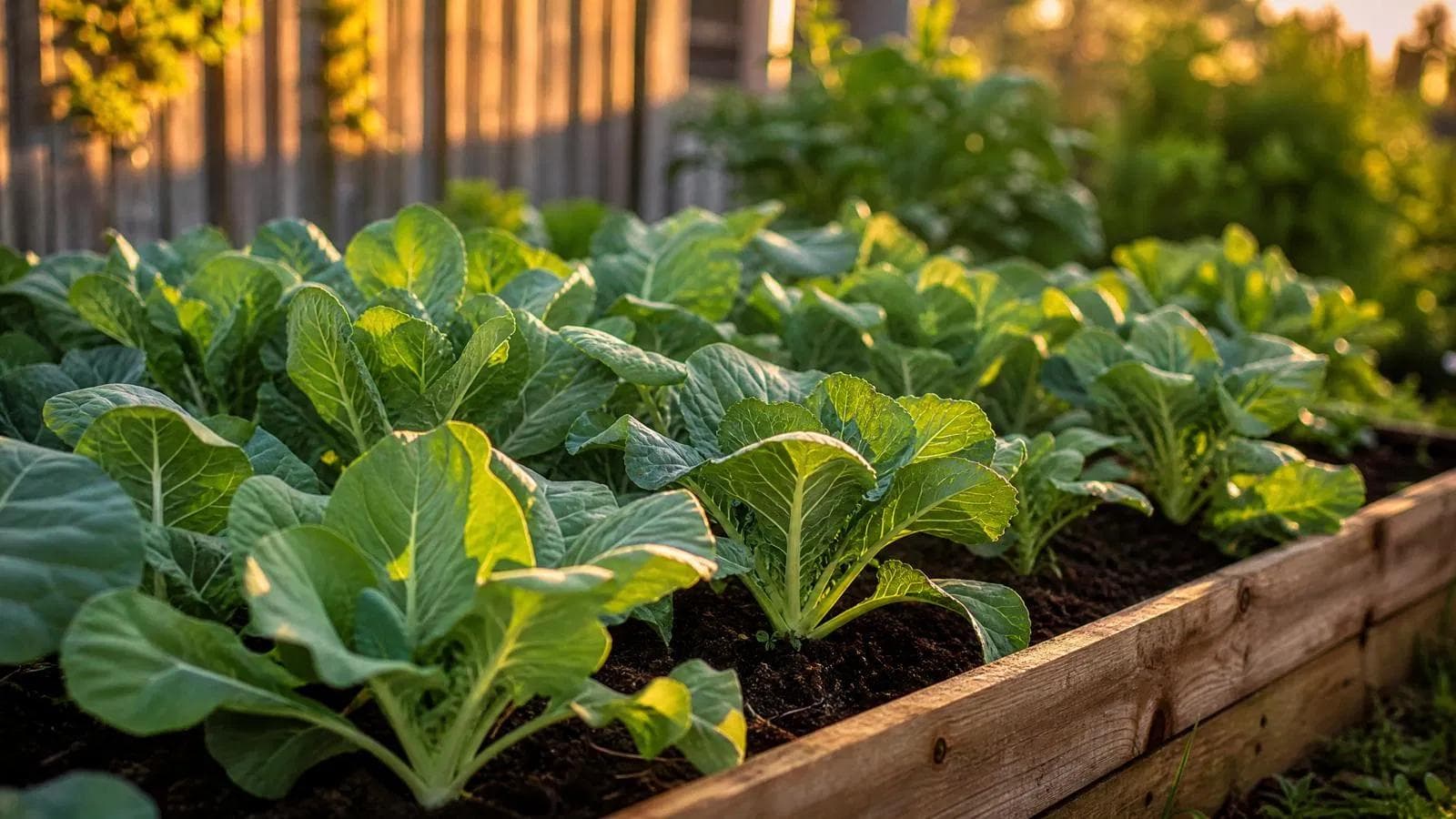
4. Cabbage and other Brassicas
- Why to avoid: Compete heavily for nutrients and space.
- Impact: May stunt tomato growth and reduce yield.
---
Tips for Successful Companion Planting with Tomatoes
- Space wisely: Ensure companions don’t overcrowd tomatoes; good air circulation reduces disease.
- Rotate crops: Avoid planting tomatoes in the same spot year after year.
- Water carefully: Tomatoes prefer consistent moisture, so water companions accordingly.
- Use companion planting to create diversity: Diverse plantings attract beneficial insects and reduce pest outbreaks.
---
Recommended Tools and Products
To get started with companion planting, here are some helpful tools:
- Garden Marker Stakes (Amazon link)
- Organic Companion Plant Seeds (Amazon link)
---
FAQ
Can I plant all these companions together with tomatoes?
It’s best to mix and match a few companions rather than overcrowding. For example, basil and marigolds with tomatoes is a classic combo. Rotate companions each season for best results.
How far apart should companion plants be from tomatoes?
Generally, keep at least 6-12 inches between tomato plants and companions to allow airflow and root growth. Some plants like carrots can be interplanted closer as they grow underground.
Do companion plants improve tomato flavor?
Yes! Herbs like basil and chives are known to enhance the flavor of tomatoes when grown nearby.
Will companion planting eliminate the need for pesticides?
Companion planting reduces pest problems but doesn’t guarantee zero pests. It’s part of an integrated pest management strategy that includes monitoring and natural controls.
---
Companion planting is a simple, natural way to boost your tomato garden’s productivity and health. By choosing the right neighbors, you’ll enjoy more bountiful harvests and fewer pest headaches. Happy gardening!
Ready to Design?
Upload a photo of your space and get beautiful, personalized design ideas in seconds.
Keep reading
Seasonal planting reminders and expert guides — free.