Blog
Organic Aphid Control: How to Stop the Spring Invasion
Effective, natural ways to control aphids in your spring garden without harming beneficial insects.
2026-04-10
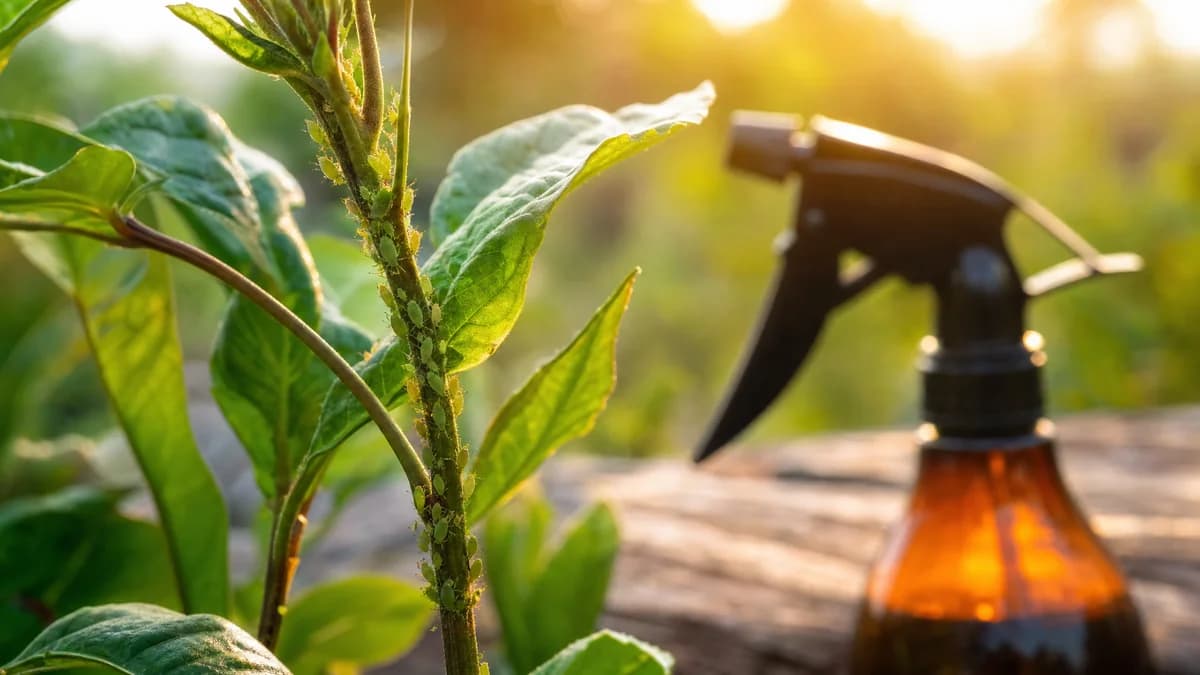
Organic Aphid Control: How to Stop the Spring Invasion
Disclosure: As an Amazon Associate I earn from qualifying purchases.
Spring is the season when gardens burst to life — but so do aphids. These tiny, sap-sucking pests can quickly damage your plants, stunt their growth, and spread disease. The challenge? Controlling aphids without harming the beneficial insects that keep your garden healthy and balanced.
In this guide, we’ll cover the best organic methods to stop aphids in their tracks while protecting pollinators, ladybugs, and other garden allies.
---
Why Choose Organic Aphid Control?
- Protect beneficial insects: Many chemical pesticides kill helpful bugs along with pests.
- Avoid chemical residues: Organic methods keep your garden and harvest free from harmful chemicals.
- Promote garden health: Natural techniques encourage a balanced ecosystem, reducing pest outbreaks over time.
---
Identifying Aphids in Your Garden
Before jumping into control methods, it's important to spot aphids early. Look for:
- Small, pear-shaped insects clustered on new growth or undersides of leaves.
- Sticky honeydew residue or sooty mold on leaves.
- Distorted, curled, or yellowing leaves.
- Ants farming aphids (ants protect aphids for their honeydew).
---
Effective Organic Methods to Control Aphids
1. Blast Them Off With Water
A strong spray of water from a garden hose can knock aphids off plants. This disrupts their feeding and reduces their numbers.
- Use a nozzle with good pressure.
- Target the undersides of leaves where aphids like to hide.
- Repeat this every few days as needed.
2. Introduce Beneficial Insects
Nature’s pest control is often the best solution. Encourage or purchase aphid predators such as:
- Ladybugs
- Lacewings
- Parasitic wasps
These insects feed on aphids and help keep populations down naturally.
3. Make a Homemade Insecticidal Soap Spray
Insecticidal soaps suffocate aphids without harming most beneficial insects. You can buy ready-made sprays or make your own:
DIY Soap Spray Recipe:
- 1 tablespoon mild liquid soap (castile or pure dish soap)
- 1 quart water
Mix gently and spray directly on aphid-infested plants, especially the undersides of leaves. Avoid spraying during the heat of the day to prevent leaf burn.
4. Use Neem Oil
Neem oil is a natural insecticide derived from the neem tree that disrupts aphid feeding and reproduction.
- Dilute according to package instructions.
- Spray thoroughly on affected plants.
- Repeat every 7-10 days until aphids are controlled.
5. Plant Aphid-Repelling Herbs and Flowers
Certain plants naturally repel aphids or attract their predators:
- Garlic and chives
- Marigolds
- Nasturtiums
- Catnip
Interplant these with your vegetables and flowers to reduce aphid infestations.
6. Remove Heavily Infested Plant Parts
If aphid colonies become unmanageable, prune off the worst affected leaves or shoots and dispose of them away from your garden.
---
Tips to Maintain Aphid-Free Plants
- Regularly inspect your plants, especially young shoots.
- Maintain plant health through proper watering and fertilizing.
- Avoid over-fertilizing with nitrogen, which encourages tender growth aphids love.
- Use row covers early in the season to physically block aphids.
---
Recommended Tools for Organic Aphid Control
- A durable garden spray bottle for homemade insecticidal soap
- A hose nozzle with adjustable pressure for washing aphids off
- Beneficial insect starter kits for introducing predators
---
FAQ
Q: Will insecticidal soap harm my ladybugs?
A: Insecticidal soap can harm beneficial insects if sprayed directly on them. Apply it early in the morning or late in the evening when beneficials are less active, and avoid spraying flowers.
Q: How often should I treat my plants for aphids?
A: Repeat treatments every 5-7 days until aphids are under control. Early intervention prevents large infestations.
Q: Can I mix neem oil and insecticidal soap?
A: It’s best to use them separately, as soap can reduce neem’s effectiveness. Alternate treatments a few days apart.
Q: Are ants a sign of aphids?
A: Often yes. Ants farm aphids for their honeydew and protect them from predators. Controlling ants can help reduce aphid problems.
---
Organic aphid control is about balance — protecting your plants and the beneficial insects that help your garden thrive. With these safe, natural strategies, you can stop the spring aphid invasion and enjoy a healthy, vibrant garden all season long!
Ready to Design?
Upload a photo of your space and get beautiful, personalized design ideas in seconds.
Keep reading
Seasonal planting reminders and expert guides — free.