Blog
How to Prevent Blossom End Rot on Early Tomatoes
Stop the dreaded black spot on your tomatoes before it starts with these simple soil and watering tips.
2026-04-26
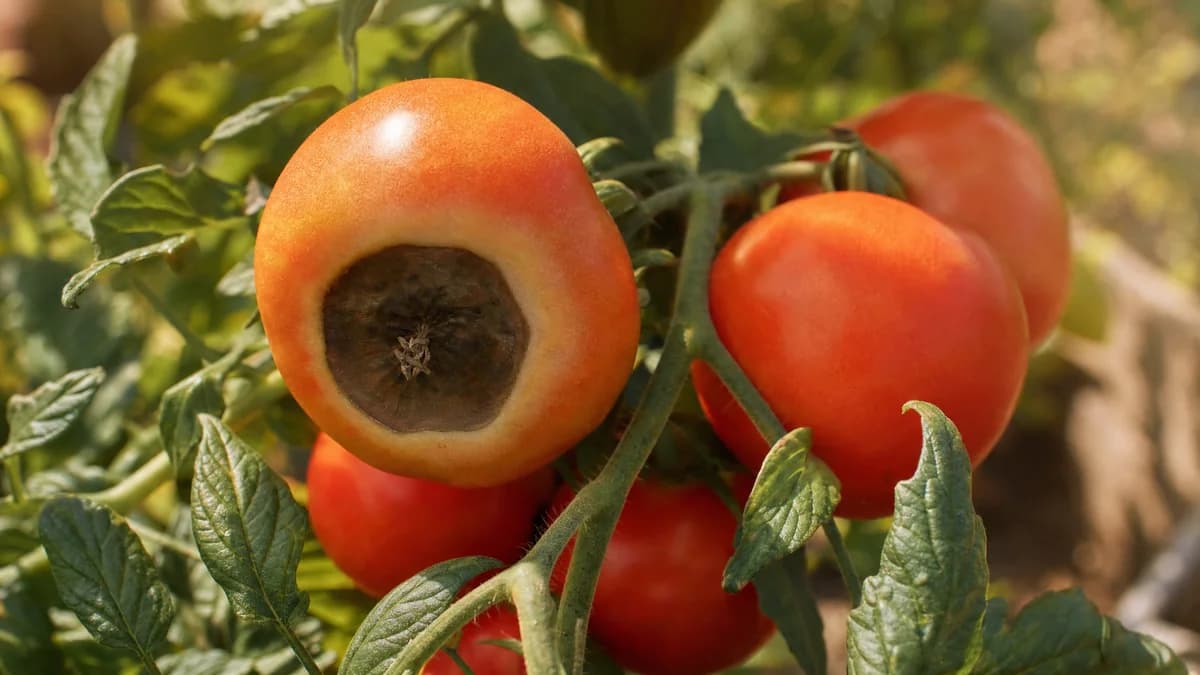
How to Prevent Blossom End Rot on Early Tomatoes
Disclosure: As an Amazon Associate I earn from qualifying purchases.
Blossom end rot is one of the most common and frustrating problems for tomato growers, especially on early tomatoes. That black, sunken spot on the bottom of your fruit can ruin an otherwise healthy harvest. Fortunately, blossom end rot isn’t a disease, but a physiological disorder caused primarily by calcium deficiency and inconsistent watering.
In this guide, I’ll share practical tips to help you prevent blossom end rot before it starts, ensuring your tomatoes stay healthy and delicious.
---
What Causes Blossom End Rot?
Understanding the cause helps prevent the problem:
- Calcium deficiency: Tomatoes need calcium for healthy cell walls. When calcium is lacking or not absorbed properly, the fruit develops dark, leathery spots.
- Inconsistent watering: Fluctuations between dry and soggy soil reduce calcium uptake.
- Soil issues: Poor soil structure or nutrient imbalance can limit calcium availability.
- Rapid growth: Excessive nitrogen fertilization can promote fast foliage growth but reduce calcium transport to fruit.
---
Soil Preparation: The First Step
Healthy soil is the foundation for blossom end rot prevention.
Test Your Soil
- Use a soil test kit to check pH and nutrient levels.
- Tomatoes prefer slightly acidic soil with a pH of 6.2 to 6.8.
- If calcium is low, amend soil accordingly.
Add Calcium to the Soil
- Incorporate agricultural lime or ground oyster shell into the soil before planting.
- Avoid excessive lime, which can raise pH too much.
- Bone meal is another calcium source but releases slowly.
Improve Soil Structure
- Add organic matter like compost to improve moisture retention and nutrient availability.
- Well-draining soil prevents waterlogging, which hinders root function.
---
Smart Watering Practices
Watering is critical for preventing blossom end rot.
Maintain Even Moisture
- Water deeply and consistently, aiming for about 1-2 inches per week.
- Avoid letting soil dry out completely or become waterlogged.
- Mulch around plants to retain soil moisture and regulate temperature.
Water at the Base
- Use drip irrigation or soaker hoses instead of overhead watering.
- Keep water off leaves to reduce disease risk.
Adjust During Weather Changes
- Increase watering during hot, dry spells.
- Reduce watering if heavy rains occur.
---
Fertilizing Tips
Balanced fertilization supports healthy fruit development.
- Use a fertilizer with low nitrogen but adequate phosphorus and potassium.
- Avoid high-nitrogen fertilizers that encourage leafy growth at the expense of fruit.
- Consider foliar feeding with calcium sprays if you notice early signs of blossom end rot.
- Always follow package instructions to prevent nutrient imbalances.
---
Additional Tips for Early Tomatoes
- Choose tomato varieties that are less prone to blossom end rot.
- Avoid transplant shock by hardening off seedlings before planting.
- Keep plants healthy by pruning and staking to improve air circulation.
---
Summary Checklist to Prevent Blossom End Rot
- [ ] Test soil pH and nutrient levels.
- [ ] Amend soil with calcium sources as needed.
- [ ] Improve soil with organic matter.
- [ ] Water evenly and deeply; mulch plants.
- [ ] Use drip irrigation or soaker hoses.
- [ ] Apply balanced fertilizer with low nitrogen.
- [ ] Consider calcium foliar sprays if necessary.
- [ ] Choose resistant tomato varieties.
- [ ] Harden off seedlings before transplanting.
- Drip Irrigation Kit (Amazon link)
---
FAQ
Q: Can I fix blossom end rot once it appears on tomatoes?
A: Unfortunately, damaged fruit won’t recover. Remove affected tomatoes to prevent rot spreading, and focus on correcting soil and watering practices to protect new fruit.
Q: Is blossom end rot contagious?
A: No, it’s not caused by a pathogen and cannot spread between plants.
Q: How soon after planting can I expect to see blossom end rot?
A: It usually appears when the fruit starts to develop, often 2-3 weeks after flowering.
Q: Can overwatering cause blossom end rot?
A: Yes, excessive watering can reduce calcium uptake by roots, contributing to the problem.
---
By following these simple soil and watering tips, you’ll greatly reduce the risk of blossom end rot and enjoy a bountiful harvest of early, healthy tomatoes. Happy gardening!
Ready to Design?
Upload a photo of your space and get beautiful, personalized design ideas in seconds.
Keep reading
Seasonal planting reminders and expert guides — free.