Blog
May Planting Guide: Time for Warm Weather Crops
May is the turning point for most gardens. Here's your checklist for planting warm-weather vegetables.
2026-04-30
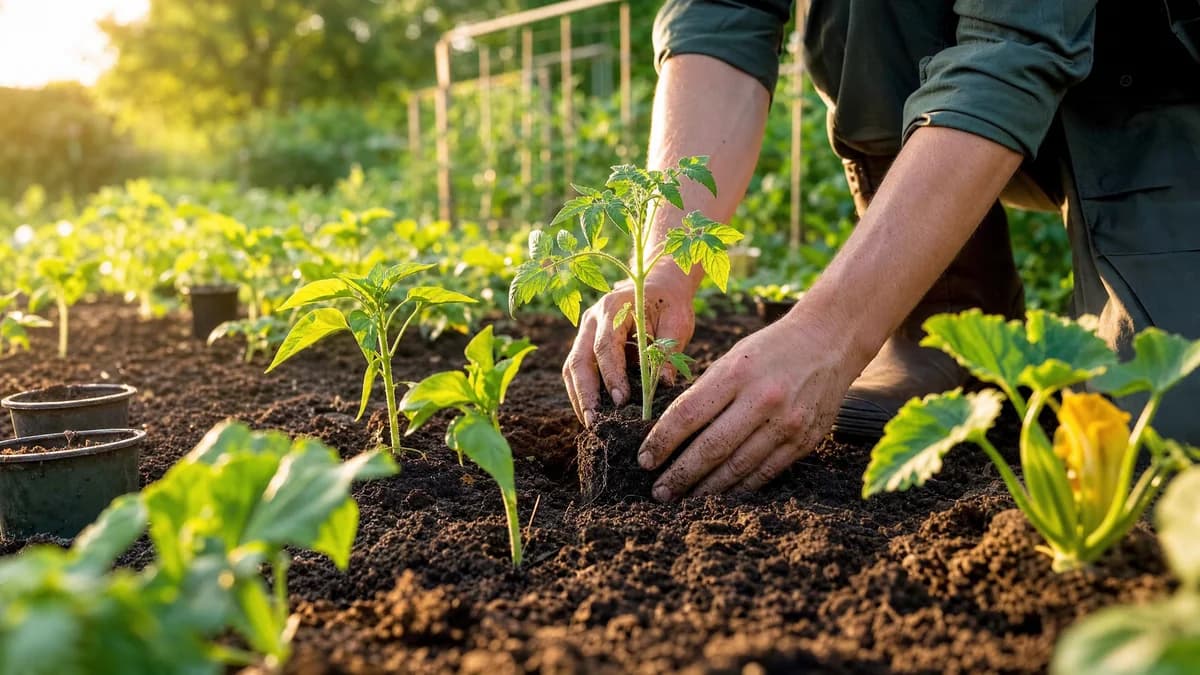
May Planting Guide: Time for Warm Weather Crops
Disclosure: As an Amazon Associate I earn from qualifying purchases.
May marks a pivotal moment in the gardening calendar. The threat of frost has usually passed, and the soil is warming up, making it ideal for planting warm-weather crops. If you’ve been waiting to get your hands dirty with tomatoes, peppers, and other sun-loving veggies, this is your month. Let’s dive into what to plant, how to prepare, and tips to help your garden thrive.
---
Why May is Perfect for Warm-Weather Vegetables
- Soil temperature rises: Most warm-weather crops need soil at least 60°F (15.5°C) to germinate and grow well.
- Frost risk fades: Late spring frost can damage tender plants; after May, the risk is minimal in most regions.
- Longer daylight: Increasing day length boosts photosynthesis and plant growth.
---
Warm-Weather Vegetables to Plant in May
Here’s a checklist of popular warm-weather crops to plant in May:
1. Tomatoes
- Start from seedlings or transplants for best results.
- Choose disease-resistant varieties if possible.
- Plant deep; bury part of the stem to encourage strong roots.
2. Peppers (Bell, Chili, Sweet)
- Like tomatoes, start with healthy transplants.
- Require full sun and well-draining soil.
3. Cucumbers
- Sow seeds directly into warm soil or plant seedlings.
- Provide trellises to save space and improve air circulation.
4. Squash and Zucchini
- Sow seeds directly or transplant seedlings after the soil warms.
- Space plants well to avoid overcrowding.
5. Beans (Green, Pole, Lima)
- Direct sow seeds about 1 inch deep.
- Pole beans will need support like poles or trellises.
6. Corn
- Requires warm soil and plenty of space.
- Plant in blocks for better pollination.
7. Eggplant
- Transplants do best; avoid planting too early.
- Needs full sun and steady warmth.
8. Melons and Watermelons
- Sow seeds directly or transplant seedlings after last frost.
- Require rich, loose soil and plenty of sunlight.
---
Preparing Your Garden for Warm-Weather Crops
Soil Preparation
- Test soil pH (ideal range 6.0-7.0 for most warm-weather veggies).
- Mix in compost or aged manure to enrich soil fertility.
- Loosen soil to a depth of 8-12 inches for good root penetration.
Mulching
- Apply organic mulch after planting to conserve moisture and suppress weeds.
- Straw, shredded leaves, or wood chips work well.
Watering
- Warm-weather crops need consistent moisture, especially during flowering and fruiting.
- Water deeply in the morning to reduce evaporation and fungal risks.
---
Tips for Success
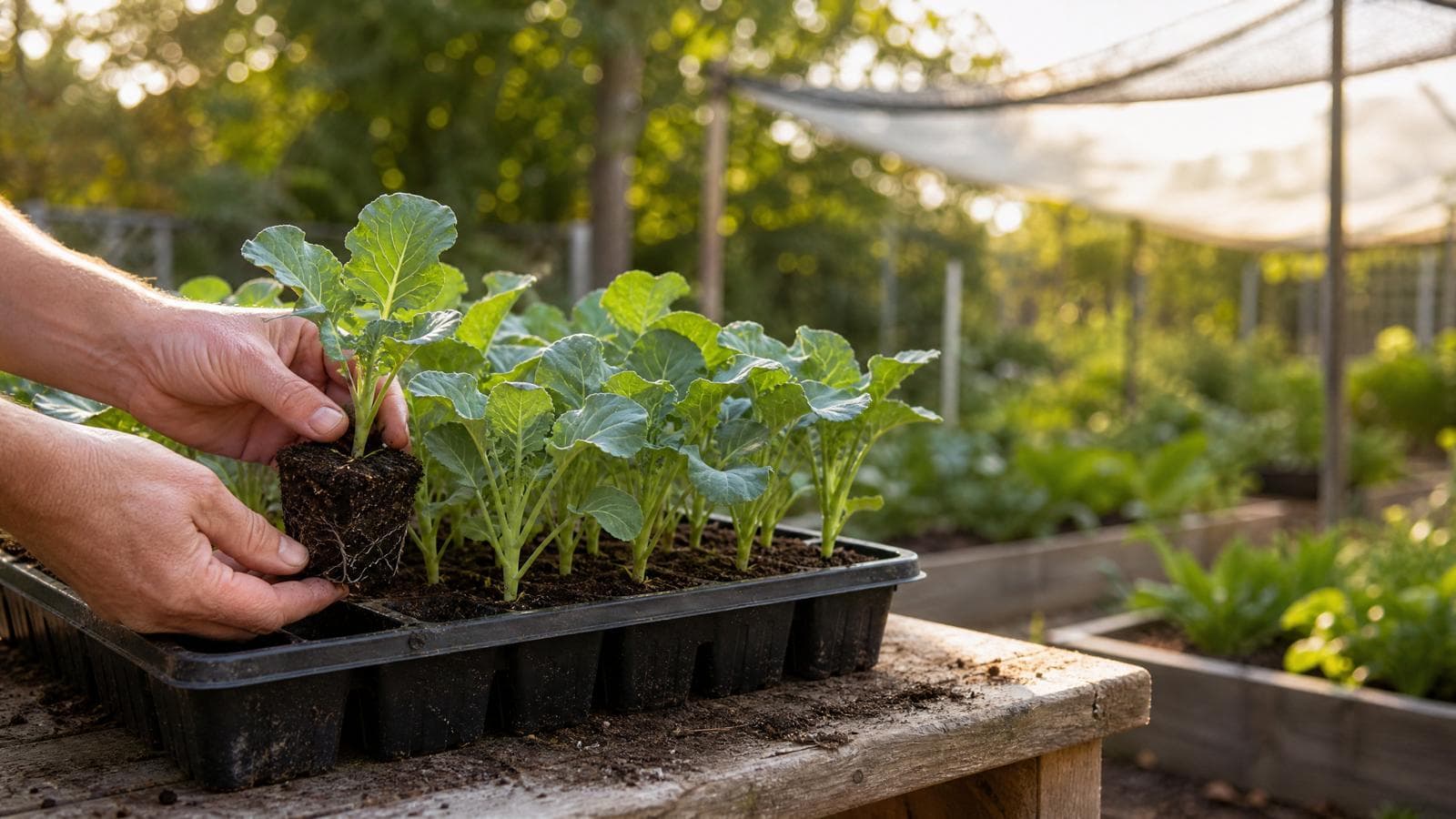
- Harden off seedlings: Gradually expose indoor-started plants to outdoor conditions over 7-10 days before transplanting.
- Use supports early: Tomato cages, stakes, and trellises help keep plants upright and improve air circulation.
- Watch for pests: May brings increased insect activity. Check plants regularly for aphids, beetles, and caterpillars. Use organic insecticidal soap if needed.
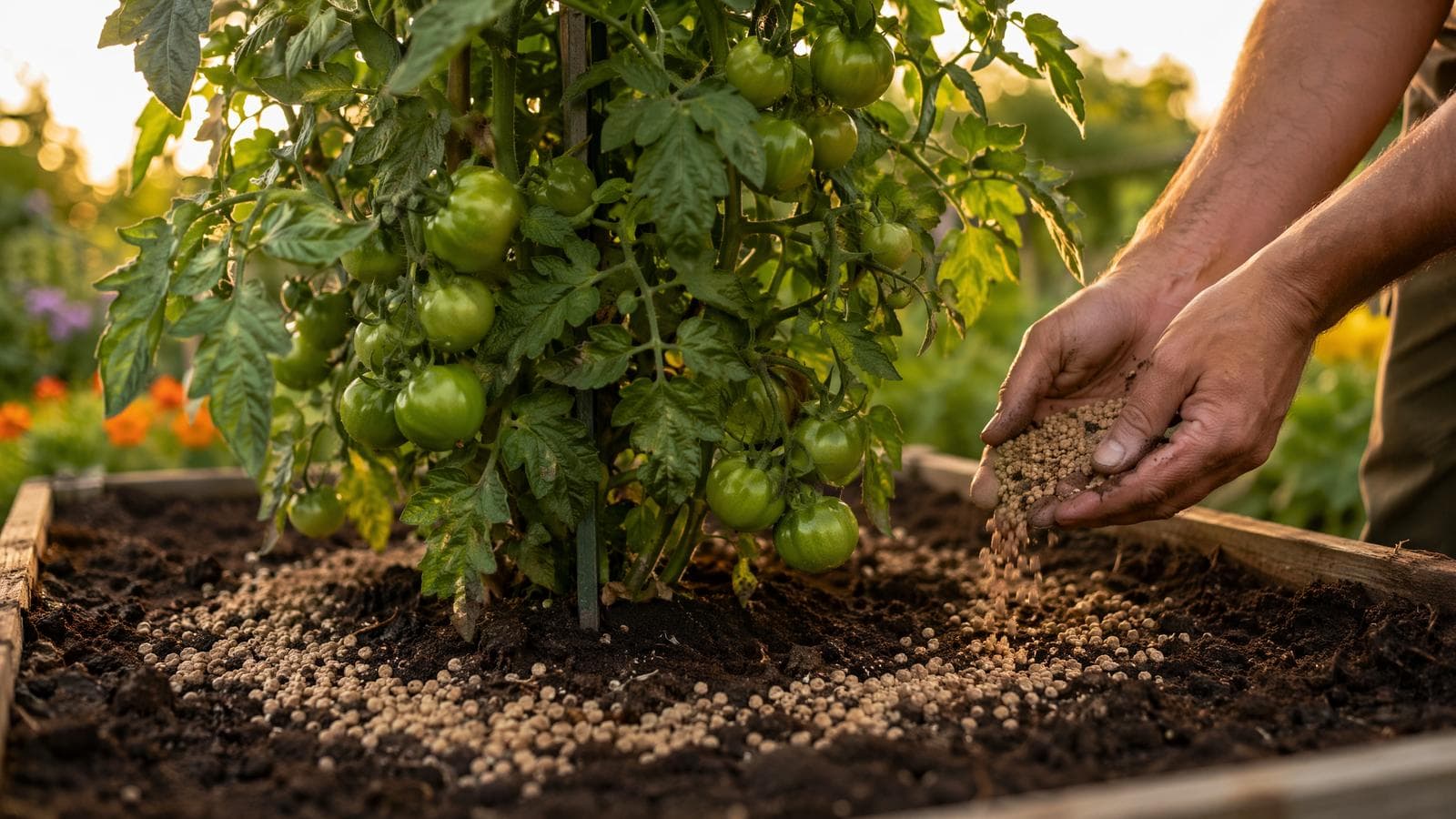
- Fertilize moderately: Use balanced fertilizers or organic options like fish emulsion every 3-4 weeks.
---
Recommended Tools & Supplies
To make your May planting easier and more efficient, consider these garden essentials:
- Raised Garden Bed Kit (Amazon link)
- Garden Hand Tools Set (Amazon link)
---
FAQ
Q: Can I plant warm-weather crops earlier than May?
A: It depends on your local climate. If the soil is consistently above 60°F and there’s no frost risk, you can start earlier. Otherwise, wait until after the last frost date.
Q: How do I know if my soil is warm enough?
A: Use a soil thermometer to check the temperature in the morning about 2-4 inches deep. Aim for at least 60°F for warm-weather crops.
Q: Should I start seeds indoors or direct sow?
A: Some crops like tomatoes and peppers do best started indoors and transplanted. Beans, cucumbers, and squash can often be direct sown once soil is warm.
Q: How often should I water warm-weather vegetables?
A: Generally, water deeply 1-2 times per week, increasing frequency during hot, dry spells. Avoid overhead watering to reduce disease risks.
---
May is your green light to get planting! With proper preparation and care, your warm-weather vegetables will thrive and provide a bountiful harvest all summer long. Happy gardening!
Ready to Design?
Upload a photo of your space and get beautiful, personalized design ideas in seconds.
Keep reading
Seasonal planting reminders and expert guides — free.