Blog
How to Grow Massive, Bushy Basil from Seed
Stop buying expensive supermarket basil! Learn the simple secrets to germinating basil seeds and growing big, bushy plants all summer long.
2026-05-12
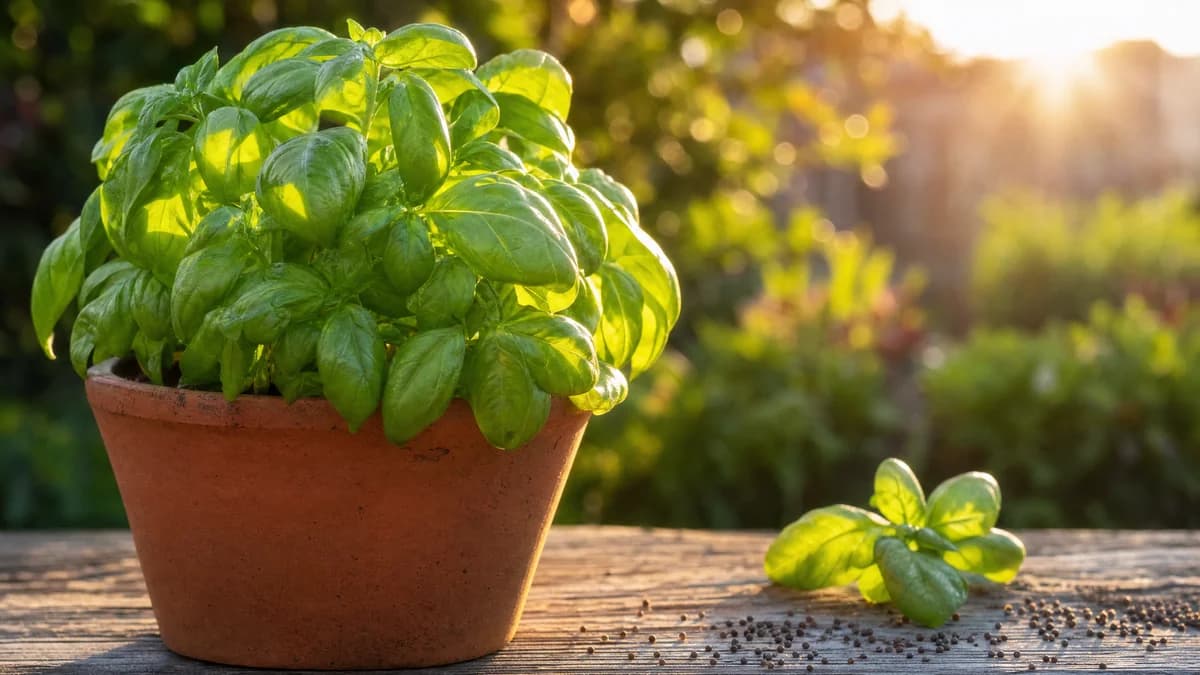
There is nothing quite like the smell of fresh basil in the summer garden. Whether you're dreaming of homemade pesto, Caprese salads, or just brushing past the leaves to release that incredible aroma, basil is a must-have herb.
While buying starter plants at the nursery is convenient, growing basil from seed is incredibly rewarding, highly cost-effective, and surprisingly easy once you know a few key secrets. As the weather warms up in May, it is the perfect time to get those seeds started.
Here is my master gardener guide to growing the biggest, bushiest basil plants you've ever had.
Why Grow Basil from Seed?
A packet of basil seeds costs about the same as a single, sad-looking plastic clamshell of cut basil at the grocery store. From that one packet, you can grow dozens of plants. Furthermore, growing from seed opens up a whole world of varieties you'll rarely find at a local nursery: Lemon basil, Thai basil, Cinnamon basil, and striking purple varieties like 'Dark Opal'.
The Secret to Perfect Germination
Basil seeds are eager to grow, but they have one strict requirement: warmth. Basil is a true heat-lover. If the soil is cold, the seeds will sulk, rot, or simply refuse to sprout.
1. Soil Temperature: Basil seeds germinate best when the soil temperature is between 75°F and 85°F (24°C - 29°C). If you are starting seeds indoors in an air-conditioned house, a seedling heat mat is practically mandatory.
2. Planting Depth: Basil seeds need light to germinate. Do not bury them deep! Fill your pots or seed trays with a high-quality, pre-moistened seed starting mix. Sprinkle the seeds on the surface, and then lightly press them in or cover them with a mere dusting (about 1/8 inch) of fine vermiculite or soil.
3. Moisture: Keep the soil consistently moist but not waterlogged. A humidity dome or a piece of clear plastic wrap over the pot helps retain moisture until the seeds sprout.
Under the right conditions, you should see tiny green shoots emerging in 5 to 10 days.
Moving Outdoors: Timing is Everything
The biggest mistake beginners make is moving their basil outside too early. Basil despises the cold. Even temperatures in the 40s (Fahrenheit) can stunt the plants, and a light frost will kill them instantly.
Do not move your seedlings outdoors (or direct sow seeds in the garden) until all danger of frost has passed *and* nighttime temperatures are consistently staying above 50°F (10°C). In many zones, this means waiting until mid-to-late May or even early June.
When you do move them out, be sure to "harden them off" gradually over a week, exposing them to a little more direct sun and wind each day so they don't go into shock.
How to Get Big, Bushy Plants (The Pruning Secret)
If you leave a basil plant to its own devices, it will grow into a single, tall, lanky stem, produce flowers, and then die. To get those massive, bushy plants that produce leaves all summer long, you have to be ruthless. You have to prune.
Once your basil plant has three or four sets of true leaves (usually when it's about 6 inches tall), it's time to pinch it back.
Look closely at the main stem. Where the leaves meet the stem (the node), you will see tiny new leaves starting to form. Using clean scissors or your fingernails, snip off the main stem just *above* a set of those tiny leaves.
The plant will respond by sending out two new branches from that node. When those branches get a few inches long, pinch them back too. Keep doing this, and your plant will multiply its stems exponentially, creating a dense, bushy dome of foliage.
*Pro Tip:* A good pair of precision snips makes harvesting and pruning herbs a joy. *(As an Amazon Associate I earn from qualifying purchases.)* I highly recommend these micro-tip pruning snips on Amazon for delicate herb work.
Watering and Feeding
Basil loves sun (6-8 hours a day) and it loves water, but it hates having "wet feet." Ensure your pots or garden beds have excellent drainage. Water when the top inch of soil feels dry to the touch. Water at the base of the plant to keep the leaves dry and prevent fungal diseases.
Because you are constantly harvesting leaves (which encourages the plant to grow more leaves), basil is a heavy feeder. Feed your plants every two weeks with a diluted, balanced liquid organic fertilizer, or amend your soil heavily with rich compost before planting.
FAQ
Why are my basil leaves turning yellow?
Yellowing leaves are usually a sign of overwatering, poor drainage, or a lack of nitrogen. Ensure the pot has drainage holes, let the soil dry out slightly between waterings, and give the plant a dose of liquid fertilizer.
Should I let my basil flower?
No! If your goal is to harvest leaves for culinary use, you must pinch off the flower buds as soon as you see them forming. Once a basil plant flowers and sets seed, the leaves become tough and bitter.
Can I grow basil indoors year-round?
Yes, but it requires supplemental lighting. A sunny windowsill is rarely enough light for basil during the short days of winter. You will need a full-spectrum LED grow light kept just a few inches above the plants for 12-14 hours a day.
---
*Get those seeds started, keep them warm, and get ready for a summer filled with the best pesto you've ever tasted!*
Ready to Design?
Upload a photo of your space and get beautiful, personalized design ideas in seconds.
Keep reading
Seasonal planting reminders and expert guides — free.