Blog
How to Grow Green Beans from Seed: The Ultimate May Planting Guide
Green beans are one of the easiest and most rewarding vegetables to grow from seed. Learn when and how to direct sow bush and pole beans for a massive summer harvest.
2026-05-12
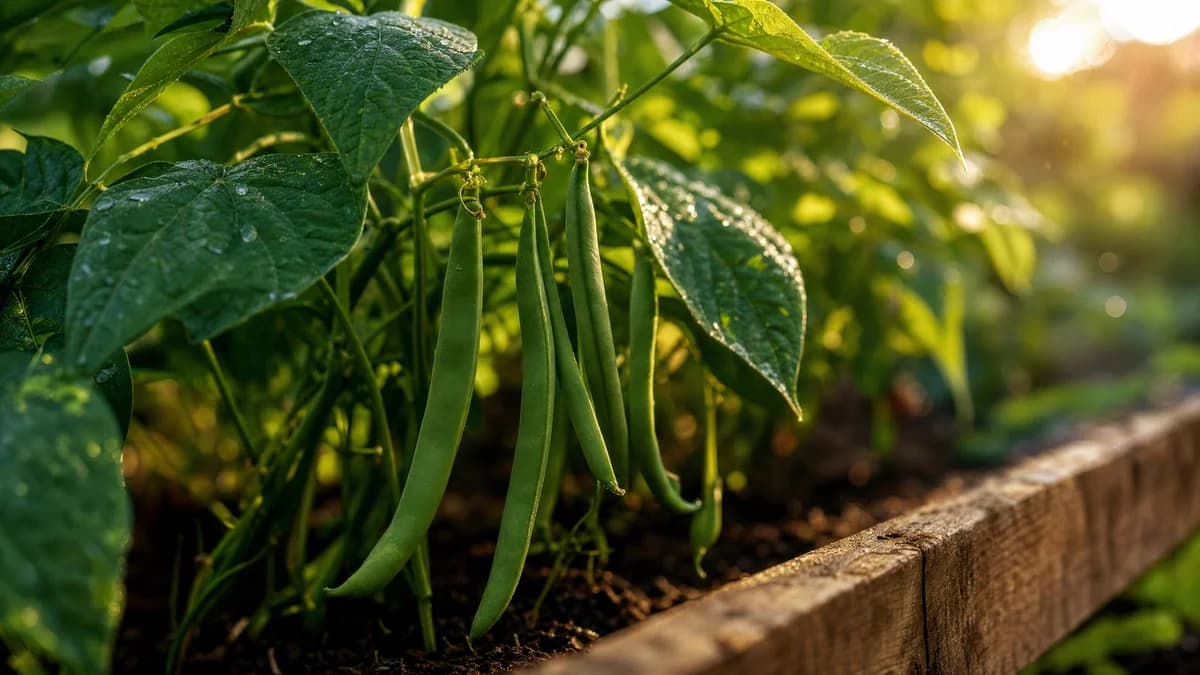
If you are looking for a vegetable that asks for very little but gives back abundantly, look no further than the humble green bean. Whether you call them string beans, snap beans, or just green beans, they are the unsung heroes of the summer vegetable garden.
As a master gardener, I always tell beginners that if they only grow one thing from seed, it should be green beans. They germinate quickly, they rarely suffer from major pest issues, and they produce a staggering amount of food in a very small space. And the best part? Mid-May is the absolute perfect time to get them in the ground.
Let's dive into everything you need to know to grow your best crop of green beans ever.
Bush Beans vs. Pole Beans: What's the Difference?
Before you plant, you need to know which type of bean you are growing, as they require very different setups in the garden.
Bush Beans
Bush beans grow into compact, bushy plants that usually reach about 18 to 24 inches tall. They do not require any support or trellising. The main advantage of bush beans is that they produce their entire harvest over a short, concentrated period (usually about two to three weeks). This makes them ideal if you want to can or freeze a large batch all at once.
Pole Beans
Pole beans are vining plants that can easily grow 6 to 10 feet tall. They must have a trellis, teepee, or fence to climb. While they take a little longer to start producing than bush beans, pole beans will continue to yield a steady supply of beans all summer long, right up until the first frost, provided you keep harvesting them. They are also incredibly space-efficient since they grow vertically.
When to Plant Green Beans
Green beans are a warm-season crop. They absolutely despise cold soil and will rot if planted too early.
The golden rule for planting beans is to wait until all danger of frost has passed and the soil temperature has warmed to at least 65°F (18°C). For most of us in moderate growing zones, this means mid-to-late May is the prime planting window. If you plant them now, they will leap out of the ground.
Unlike tomatoes or peppers, beans do not like to be transplanted. Their delicate root systems are easily disturbed. You should always direct sow bean seeds right into the garden bed where they will grow.
How to Plant Green Bean Seeds
Planting beans is so simple, it's a perfect gardening task to do with kids. The seeds are large and easy to handle.
1. Prepare the Soil: Beans are not heavy feeders, as they actually fix their own nitrogen from the air. However, they do appreciate loose, well-draining soil. Mix in a little compost before planting, but skip the heavy nitrogen fertilizers.
2. Spacing: For bush beans, plant seeds about 1 inch deep and 2 to 3 inches apart in rows that are 18 inches apart. For pole beans, plant seeds 1 inch deep and 3 inches apart along the base of your trellis.
3. Watering In: After planting, give the bed a deep, gentle watering.
4. The Waiting Game: Under warm May conditions, bean seeds usually germinate in just 7 to 10 days.
*Pro Tip:* To ensure a continuous harvest of bush beans all summer, practice succession planting. Sow a new row of seeds every two to three weeks until mid-summer.
Care and Maintenance
Once your beans are up and growing, they are incredibly low maintenance.
Watering: Beans need about 1 inch of water per week. The most critical time for watering is when the plants are flowering and forming pods. If they dry out during this stage, the blossoms will drop off, and you won't get any beans. Always water at the base of the plant to keep the leaves dry, which helps prevent fungal diseases like powdery mildew.
Weeding: Keep the area around your beans weed-free, especially when the plants are young. Weeds compete for water and nutrients. However, be very careful when hoeing near beans, as their roots are shallow and easily damaged.
Pests: While generally pest-free, beans can sometimes attract aphids or Mexican bean beetles. Check the undersides of the leaves regularly. If you spot pests, a strong blast of water from the hose or a spray of insecticidal soap usually takes care of the problem.
If you are looking for a great organic pest control option, *(As an Amazon Associate I earn from qualifying purchases)* I highly recommend Neem Oil for organic gardening as a safe, effective preventative measure.
Harvesting Your Bounty
The biggest mistake people make with green beans is waiting too long to harvest them.
You want to pick green beans when they are young, tender, and about the thickness of a pencil. If you wait until you can see the individual beans bulging inside the pod, the bean will be tough, stringy, and starchy.
Harvesting beans is a two-handed job. Hold the vine with one hand and gently pinch or snap the bean off with the other. Pulling the bean with one hand can easily uproot the whole plant or break the stem.
The most important rule of growing beans: Pick often! The more you pick, the more the plant will produce. Check your plants every two to three days during peak season.
FAQ
Do I need to soak bean seeds before planting?
While some gardeners swear by soaking seeds overnight to speed up germination, it is not strictly necessary. In fact, if the soil is cool and wet, soaked seeds are more prone to rotting. In warm May soil, dry seeds will sprout just fine.
Why are my bean plants producing lots of leaves but no flowers or beans?
This is usually caused by too much nitrogen in the soil. Remember, beans make their own nitrogen. If you fertilized heavily, the plant will focus on producing lush green foliage at the expense of flowers and fruit.
Can I grow green beans in containers?
Absolutely! Bush beans are perfect for container gardening. Choose a pot that is at least 8 to 10 inches deep and use a high-quality potting mix. You can even grow pole beans in a large container if you provide a sturdy trellis for them to climb.
---
*Get those seeds in the ground this week, and you'll be enjoying fresh, crunchy green beans by the Fourth of July!*
Ready to Design?
Upload a photo of your space and get beautiful, personalized design ideas in seconds.
Keep reading
Seasonal planting reminders and expert guides — free.