Blog
How to Prevent Squash Vine Borers Before They Destroy Your Harvest
Squash vine borers can decimate a healthy plant in days. Learn the best organic prevention methods and how to save an infected squash plant.
2026-05-12
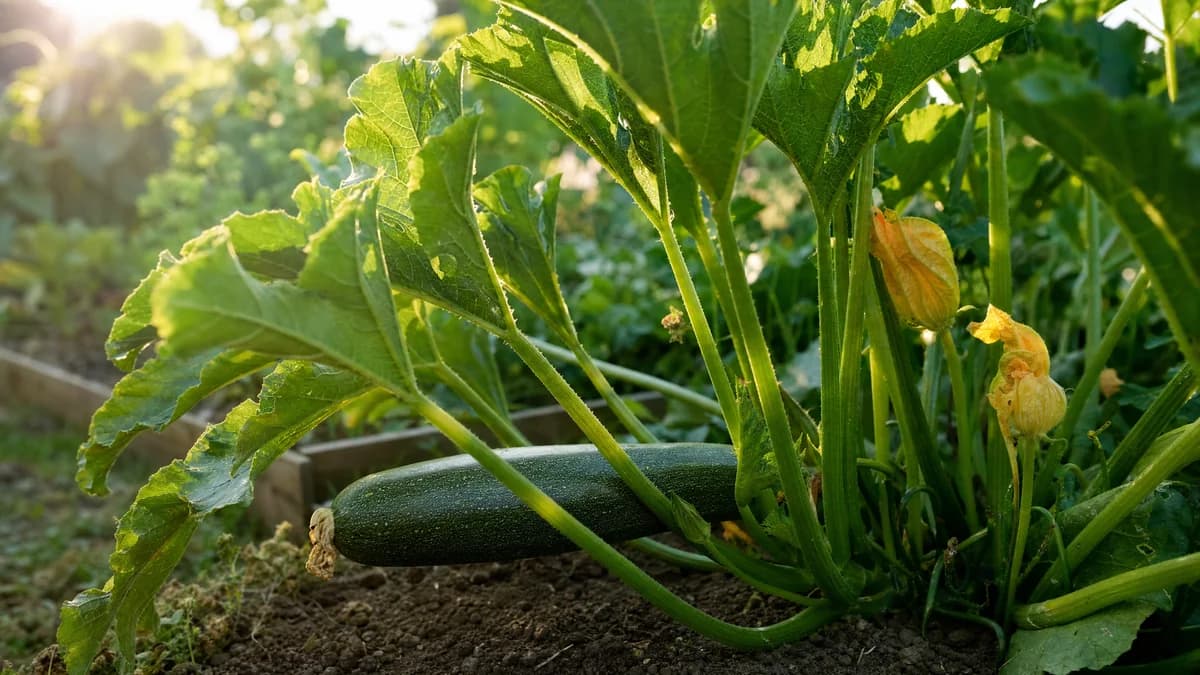
If you've ever had a thriving, beautiful zucchini plant suddenly collapse and die overnight, you've likely met the gardener's worst nightmare: the squash vine borer. These stealthy pests can turn a promising harvest into a pile of wilted leaves in a matter of days. But don't despair! With a little knowledge and some proactive steps, you can protect your squash plants and enjoy a bountiful harvest all summer long.
As a master gardener, I've battled these bugs for years. Today, I'm sharing my proven, organic methods for preventing squash vine borers, identifying early damage, and even saving plants that have already been attacked.
What is a Squash Vine Borer?
The squash vine borer (*Melittia cucurbitae*) is a clearwing moth that looks surprisingly like a wasp. In late spring or early summer (usually mid-to-late June, depending on your growing zone), the adult moths emerge from the soil and lay tiny, flat, copper-colored eggs at the base of squash plant stems.
When the eggs hatch about a week later, the larvae immediately bore into the hollow stems of the plant to feed. This feeding disrupts the flow of water and nutrients, causing the sudden wilting that is the hallmark of a borer attack.
They primarily target summer squash (like zucchini and yellow crookneck), winter squash (like acorn and Hubbard), and pumpkins. Interestingly, they usually leave cucumbers, melons, and butternut squash alone because their stems are too solid and tough for the larvae to penetrate.
4 Proven Ways to Prevent Squash Vine Borers
Prevention is absolutely the best medicine when it comes to vine borers. Once they are inside the stem, they are much harder to deal with.
1. Use Floating Row Covers
This is my number one recommendation. As soon as you plant your squash seedlings or seeds, cover them with a lightweight floating row cover. Secure the edges tightly with soil or garden staples so the moths can't sneak underneath.
Leave the covers on until the plants start flowering. Once you see female flowers (the ones with the tiny squash at the base), you must remove the covers so bees and other pollinators can do their job. By the time the covers come off, the main borer egg-laying season has often passed, or the plants are large enough to withstand minor damage.
2. Wrap the Stems
Since the moths almost always lay their eggs on the lowest few inches of the main stem, you can create a physical barrier. Wrap the bottom 2 to 3 inches of the stem with aluminum foil or strips of nylon hosiery. Be sure to push the wrapping slightly below the soil line. This prevents the larvae from boring into the stem if eggs are laid nearby.
3. Practice Crop Rotation and Tilling
Squash vine borers overwinter as pupae in the soil right where last year's squash plants grew. If you plant squash in the exact same spot year after year, you are essentially serving them breakfast in bed. Rotate your crops so you aren't planting cucurbits in the same bed more than once every three years.
Additionally, tilling or deeply turning the soil in the fall and again in the early spring can expose the overwintering pupae to the cold and to hungry birds.
4. Plant a "Trap Crop"
Hubbard squash is highly attractive to squash vine borers—even more so than zucchini. Some gardeners plant a few Hubbard squash plants at the perimeter of their garden to draw the moths away from their main crop. Once the trap crop is infested, you pull it up and destroy it (don't compost it!), larvae and all.
How to Spot Early Borer Damage
Even with the best prevention, a sneaky moth might get through. You need to inspect the base of your squash plants frequently—at least twice a week.
Look for:
- Tiny copper eggs: They are usually laid singly, not in clusters, on the lower stem. You can gently scrape them off with a fingernail or a piece of tape.
- Frass: This is the telltale sign that a larva has entered the stem. It looks like wet, yellowish-brown sawdust accumulating at the base of the plant or oozing from a small hole in the stem.
- Unexplained wilting: If your plant is wilting during the heat of the day but the soil is moist, inspect the stem immediately.
Can You Save an Infected Plant?
Yes! If you catch it early enough, you can perform "squash surgery."
1. Locate the entry hole (where the frass is coming out).
2. Using a clean, sharp razor blade or utility knife, make a vertical slit along the stem, starting at the hole and moving upward.
3. Carefully pry the stem open and look for the fat, white larva with a brown head. There may be more than one!
4. Remove and destroy the larvae.
5. Mound moist soil over the cut section of the stem. Squash plants are amazing at rooting along their stems, and burying the injured section will encourage new roots to form, bypassing the damaged area.
*Pro Tip:* Keep your garden tools sharp and clean! I highly recommend investing in a good set of pruning shears and a sharpening tool. You can find excellent options online. *(As an Amazon Associate I earn from qualifying purchases.)* Check out this highly-rated garden tool sharpener on Amazon to keep your blades in top shape for delicate garden surgery.
FAQ
Can I use pesticides to kill squash vine borers?
Chemical pesticides are generally ineffective because the larvae are protected inside the stem. Organic *Bacillus thuringiensis* (Bt) can be injected directly into the stems with a syringe to kill the larvae, but it requires precise timing and effort. Prevention is a much better strategy.
Why did my zucchini die but my butternut squash is fine?
Butternut squash (and other varieties of *Cucurbita moschata*) have solid, tough stems that the borer larvae cannot easily penetrate. If you struggle terribly with borers every year, consider switching to resistant varieties!
Should I pull up a dead squash plant?
Yes, immediately. Do not leave it in the garden, and do not put it in your compost pile. Put it in a sealed trash bag or burn it to ensure the larvae inside don't complete their life cycle and return next year.
---
*Happy gardening, and may your squash vines remain strong and healthy this season!*
Ready to Design?
Upload a photo of your space and get beautiful, personalized design ideas in seconds.
Keep reading
Seasonal planting reminders and expert guides — free.