Blog
Summer-Flowering Bulbs: A Guide to Dahlias, Cannas, and Gladiolus
Transform your summer garden with spectacular blooms. Learn when and how to plant summer-flowering bulbs like dahlias, cannas, and gladiolus for vibrant color all season.
2026-05-12
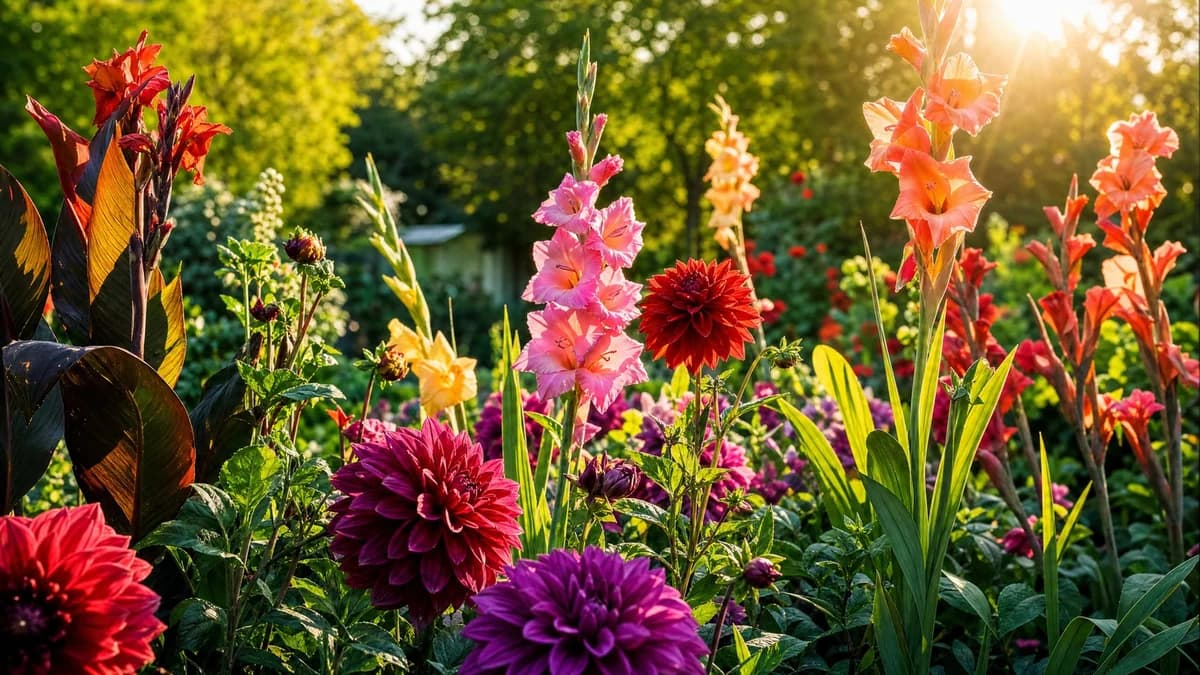
When we think of planting bulbs, our minds naturally drift to autumn, digging in the chilly dirt to bury tulips and daffodils for a spring display. But there is a whole other world of bulbs waiting for you right now.
May is the time to plant summer-flowering bulbs (and tubers, corms, and rhizomes). These warm-weather lovers will provide some of the most dramatic, colorful, and exotic-looking blooms in your garden from mid-summer right up until the first frost.
If you want massive, dinner-plate-sized flowers, towering spikes of color, or lush, tropical foliage, you need to be planting dahlias, cannas, and gladiolus this month. Here is your master gardener guide to getting them right.
Understanding Summer Bulbs
Unlike spring bulbs, which require a period of cold winter dormancy to bloom, summer bulbs are tender. They originate in warm climates and cannot survive freezing temperatures. This means in most growing zones (anything colder than Zone 8), you plant them in the spring, enjoy them all summer, and then dig them up in the fall to store indoors over the winter.
While it sounds like a bit of extra work, the payoff is absolutely worth it. Let's look at the three heavy hitters of the summer bulb world.
Dahlias: The Queens of the Late Summer Garden
Dahlias are arguably the most beloved of all summer-flowering tubers. They come in an astonishing array of shapes, sizes, and colors—from tiny, tight pom-poms to sprawling, spiky blooms the size of your head.
How to Plant: Dahlias need full sun and rich, well-draining soil. Wait until the soil has warmed to about 60°F (15°C)—mid-to-late May is perfect for most regions. Dig a hole about 4 to 6 inches deep. Place the tuber flat on its side, with the "eye" (the little bump where the sprout will emerge) pointing up. Cover with soil, but do not water until you see the first green shoots emerge above the ground. Watering a dormant dahlia tuber in cool soil is a recipe for rot.
Support: Most dahlias grow quite tall and get heavy when loaded with blooms. You must stake them at the time of planting so you don't accidentally pierce the tuber later.
Cannas: Tropical Flair and Dramatic Foliage
If you want to add instant tropical drama to your garden, cannas are the answer. While they do produce lovely lily-like flowers in bright reds, oranges, and yellows, they are often grown primarily for their massive, banana-like leaves, which can be green, bronze, or strikingly striped.
How to Plant: Cannas are grown from rhizomes. They love heat and moisture, and they are heavy feeders. Plant the rhizomes horizontally, about 3 to 4 inches deep, and space them 18 to 24 inches apart. Unlike dahlias, cannas thrive in wet conditions; they can even be grown in the shallow margins of a pond.
Care: Keep cannas consistently moist and feed them monthly with a balanced fertilizer. Deadhead the spent flowers to encourage continuous blooming.
Gladiolus: Towering Spires of Color
Gladiolus (often just called "glads") are grown from corms. They produce tall, sword-like foliage and spectacular, vertical spikes of ruffled flowers. They are a classic cutting garden staple and look magnificent planted in large drifts at the back of a border.
How to Plant: Plant gladiolus corms about 4 inches deep, with the pointed end facing up. Because the blooms only last for a week or two on each stalk, the secret to glads is succession planting. Plant a batch of corms every two weeks from mid-May through mid-June. This will give you a continuous wave of blooms from late July through September.
*Pro Tip:* For cutting gardens, having a sturdy, clean bucket for harvesting is essential. *(As an Amazon Associate I earn from qualifying purchases)* I use and recommend these galvanized steel French flower buckets for holding tall stems like glads and dahlias immediately after cutting.
General Care for Summer Bulbs
1. Watering: Once these plants are actively growing, they need consistent moisture. Aim for about an inch of water per week, applied at the base of the plants.
2. Fertilizing: Summer bulbs are fast, vigorous growers. A monthly application of a low-nitrogen, high-phosphorus fertilizer (like a 5-10-5 blend) will promote strong root growth and abundant blooms without encouraging too much leafy green growth at the expense of flowers.
3. Mulching: A layer of organic mulch will help retain soil moisture and keep the roots cool during the hottest parts of the summer.
FAQ
Do I *have* to dig them up in the fall?
If you live in Zone 7 or colder, yes. If left in the ground, the freezing temperatures will turn the tubers and corms to mush. If you live in Zone 8 or warmer, you can generally leave them in the ground year-round, though they may benefit from a thick layer of mulch in the winter.
How do I store them over the winter?
After the first light frost turns the foliage black, cut the stems back to a few inches. Carefully dig up the tubers/corms/rhizomes. Let them dry in a cool, dark place for a few days. Then, pack them loosely in cardboard boxes filled with dry peat moss, vermiculite, or wood shavings. Store them in a cool, dark, frost-free location (like an unheated basement or attached garage) until spring.
Can I grow summer bulbs in pots?
Yes! Dahlias (especially the shorter border varieties) and cannas do exceptionally well in large containers. Just ensure the pots have good drainage and remember that container plants need more frequent watering and fertilizing than those in the ground.
---
*Don't let spring bulb envy get you down. Plant some dahlias, cannas, and glads this weekend, and your garden will be the showstopper of the neighborhood come August!*
Ready to Design?
Upload a photo of your space and get beautiful, personalized design ideas in seconds.
Keep reading
Seasonal planting reminders and expert guides — free.