Blog
How and When to Fertilize Your Summer Vegetable Garden
Give your summer vegetables the boost they need! Learn the best practices for fertilizing your garden in mid-May for a massive harvest.
2026-05-16
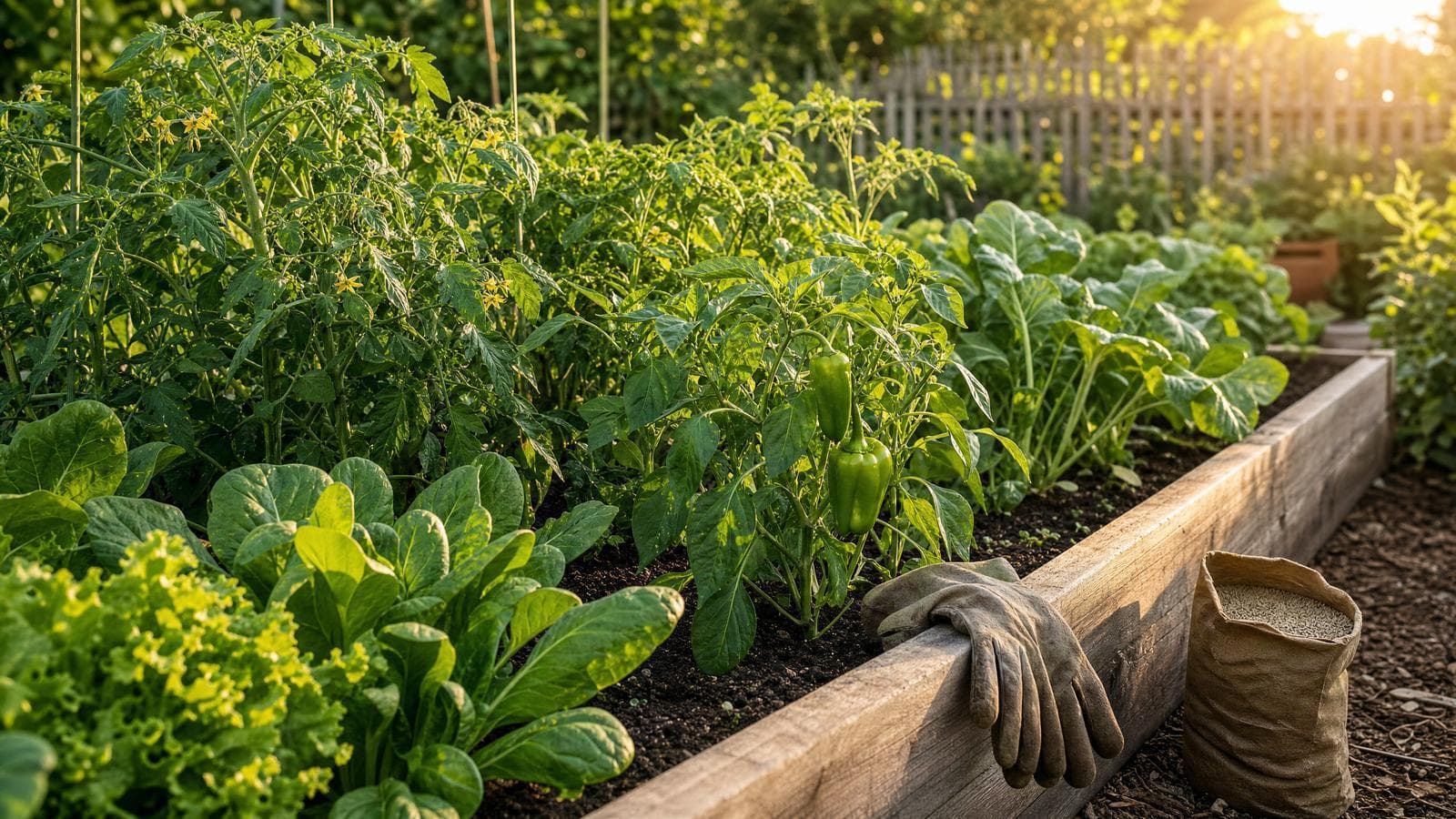
Welcome back to the garden, friends! As we move through mid-May, our summer vegetable gardens are really starting to take off. The tomatoes are stretching toward the sun, the peppers are settling in, and the squash vines are beginning their march across the beds. But as these plants shift from simply growing leaves to producing the flowers and fruits we eagerly anticipate, their nutritional needs change drastically.
Just like us, plants need a balanced diet to perform at their best. While good soil and compost are the foundation, a timely boost of fertilizer can be the difference between a mediocre yield and a bumper crop. Let's break down how and when to fertilize your summer vegetable garden for maximum success.
Understanding What Your Plants Need
Before we start sprinkling fertilizer everywhere, it's helpful to understand the three main numbers you see on every fertilizer bag: N-P-K.
* Nitrogen (N): Promotes leafy, green growth. Great for the early stages of a plant's life or for leafy greens like lettuce and spinach.
* Phosphorus (P): Crucial for root development and, most importantly for our summer crops, the production of flowers and fruit.
* Potassium (K): Helps with overall plant health, disease resistance, and water regulation.
For summer fruiting vegetables like tomatoes, peppers, cucumbers, and squash, you generally want to shift away from high-nitrogen fertilizers once the plant is established. Too much nitrogen will give you a massive, lush green plant with very few flowers or fruit! Instead, look for a balanced fertilizer or one slightly higher in phosphorus and potassium.
When to Fertilize in the Summer Garden
Timing is everything. Here is the general schedule I follow in my own garden:
1. At Planting Time:
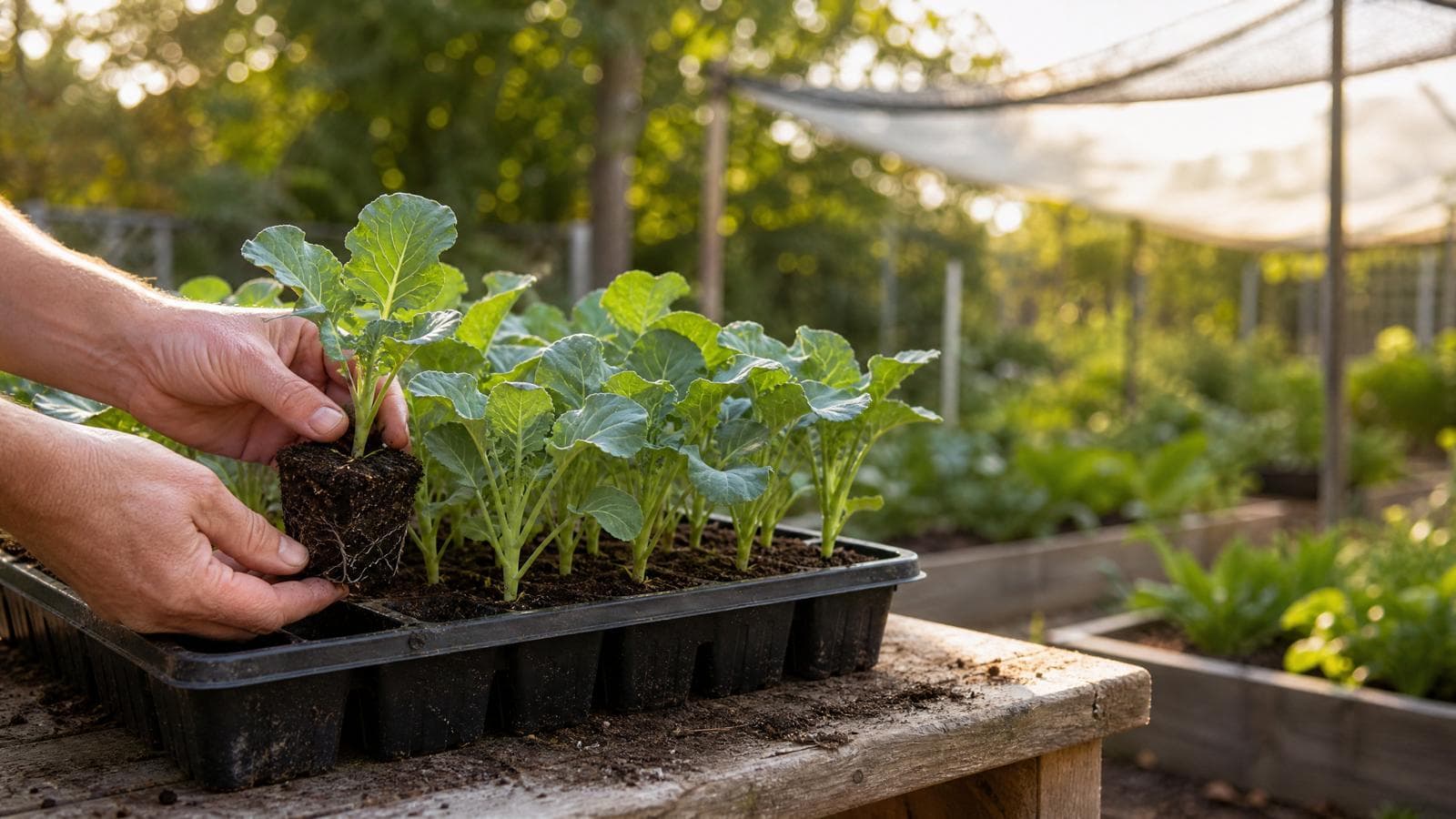
When you first transplant your seedlings into the garden, it's a great idea to give them a gentle boost. I like to mix a slow-release organic granular fertilizer directly into the planting hole. This provides a steady stream of nutrients as the roots establish themselves.
2. The Mid-Summer Boost (Right About Now!):
For many of us, mid-May to early June marks a critical transition period. Your plants have been in the ground for a few weeks, they are established, and they are starting to set their first flowers. This is the perfect time for a "side-dressing" of fertilizer.
3. Ongoing Feeding:
Heavy feeders like tomatoes and corn will benefit from continued feeding every 3 to 4 weeks throughout the peak growing season.
How to Apply Fertilizer
There are two main types of fertilizers you'll use: granular and liquid.
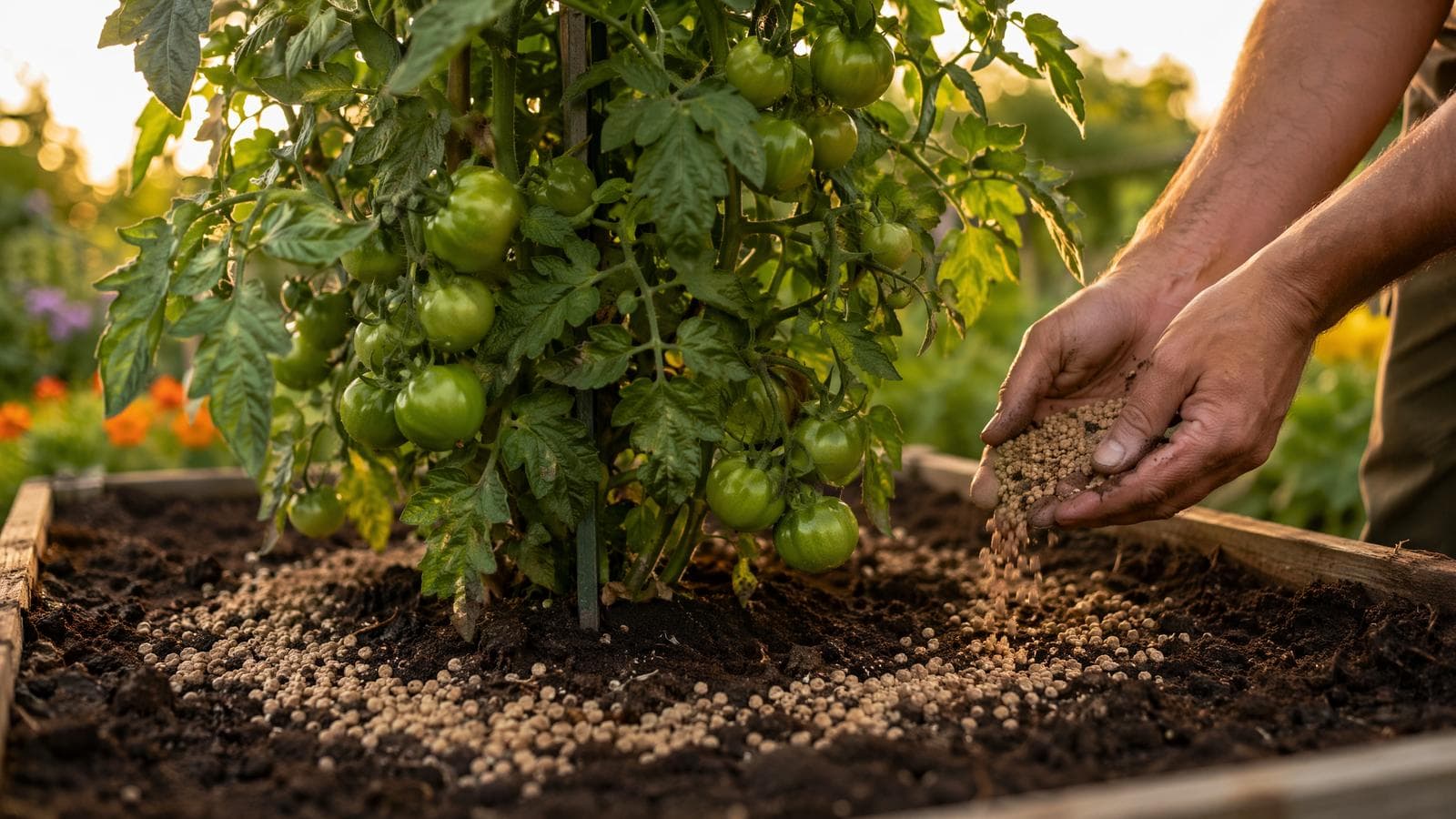
Granular Fertilizers: These are solid pellets that you apply to the soil. They are usually slow-release, breaking down over time to feed the plant steadily.
* How to use: To "side-dress," sprinkle the granular fertilizer in a ring around the base of the plant, keeping it a few inches away from the main stem to avoid burning it. Gently scratch it into the top inch of soil and water it in well.
*My go-to granular fertilizer for the summer garden is Dr. Earth Organic Tomato, Vegetable & Herb Fertilizer. It's balanced, organic, and the plants love it.*
Liquid Fertilizers: These are mixed with water and applied directly to the soil or sprayed on the leaves (foliar feeding). They provide a quick, immediate boost of nutrients.
* How to use: I love using a liquid fertilizer, like a fish emulsion or kelp extract, every couple of weeks when I water. It's a great way to give stressed plants a quick pick-me-up during hot stretches.
A Note on Soil Health
Remember, fertilizer is a supplement, not a replacement for healthy soil. The best thing you can do for your garden long-term is to continuously add organic matter, like high-quality compost, to your beds. Healthy, living soil will naturally provide many of the nutrients your plants need and will help them absorb any fertilizers you do apply much more efficiently.
FAQ: Fertilizing Vegetables
Q: Can I over-fertilize my plants?
A: Yes, absolutely! Over-fertilizing, especially with synthetic fertilizers, can "burn" the plant's roots, stunt growth, or lead to excessive foliage at the expense of fruit. Always follow the package instructions and remember that more is not always better.
Q: Should I fertilize my plants when it's really hot out?
A: It's best to avoid heavy fertilizing during extreme heat waves. Plants are already stressed trying to conserve water, and adding fertilizer can exacerbate that stress. Wait for a cooler stretch of days.
Q: Do I need different fertilizers for different vegetables?
A: While specialized fertilizers exist (like "tomato food"), a good quality, balanced organic vegetable fertilizer will work wonderfully for almost everything in your summer garden.
Happy growing, and here's to a bountiful summer harvest!
*As an Amazon Associate I earn from qualifying purchases.*
Ready to Design?
Upload a photo of your space and get beautiful, personalized design ideas in seconds.
Keep reading
Seasonal planting reminders and expert guides — free.