Blog
The Mid-May Garden Shift: Transitioning from Spring Greens to Summer Heat
Learn how to manage the mid-May transition in your vegetable garden. Tips for harvesting bolting spring crops and making room for summer heat-lovers.
2026-05-15
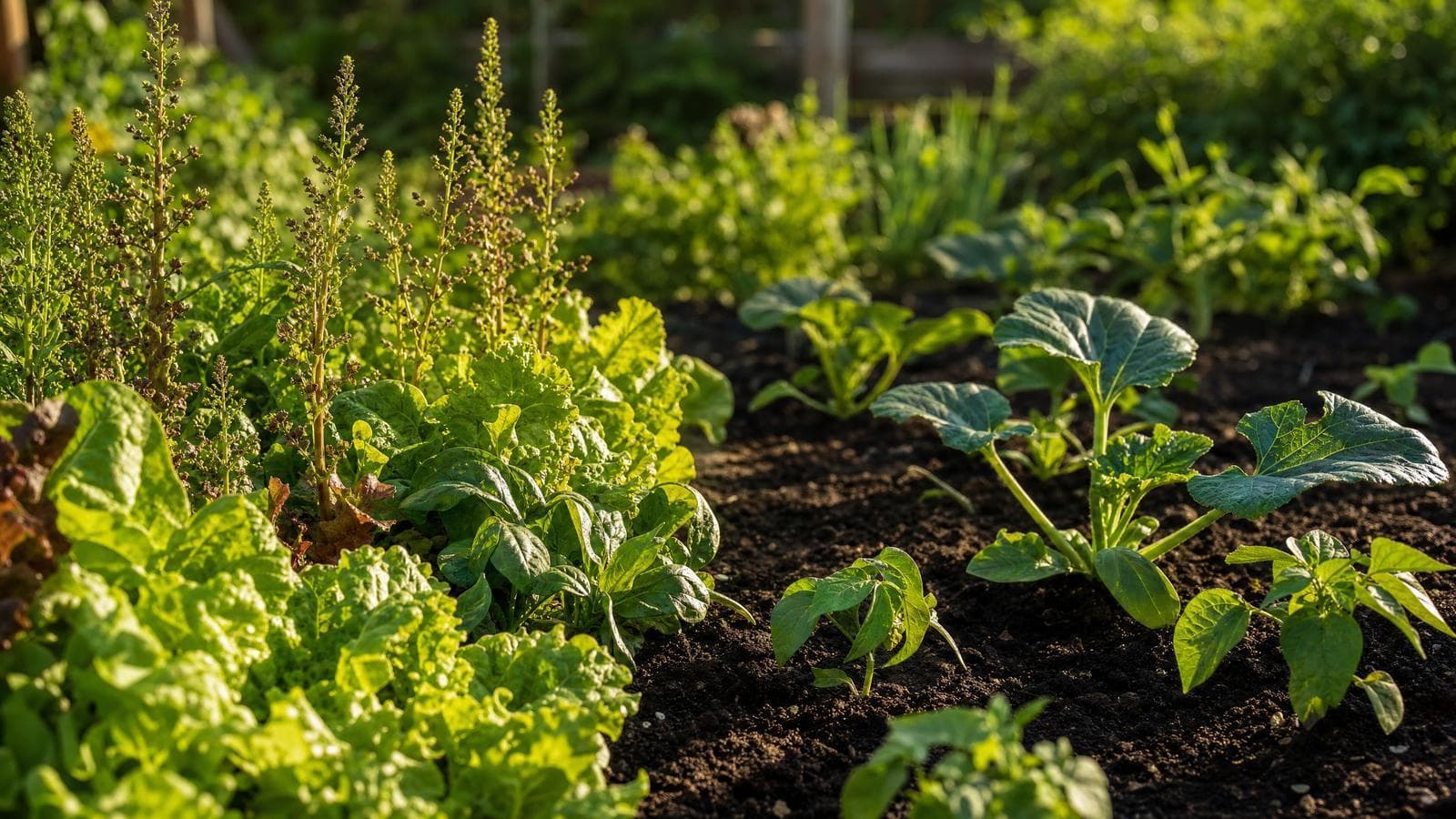
Hello, fellow gardeners! As we move through mid-May, you might be noticing a dramatic shift in your garden beds. The crisp, cool days of early spring are giving way to warmer afternoons, and your plants are definitely feeling the difference. This period is what I like to call the "Great Garden Shift."
It's a bittersweet time. We're saying goodbye to the tender greens that fed us through April, but we're also making space for the heavy hitters of the summer harvest. Managing this transition smoothly is key to maximizing your garden's productivity. Let's talk about what to pull, what to plant, and how to prep your soil for the summer season.
Recognizing the Signs: When Spring Crops are Done
Your cool-season crops—like spinach, lettuce, radishes, and cilantro—are programmed to thrive in chilly weather. Once the temperatures consistently hit the 70s and 80s (Fahrenheit), these plants receive a biological signal that their time is up. Their primary goal shifts from producing tasty leaves or roots to producing seeds for the next generation.
This process is called "bolting." You'll notice your lettuce stretching upward, forming a tall central stalk. Spinach leaves will become smaller and arrow-shaped. Cilantro will quickly shoot up delicate white flowers.
What happens to the flavor? Once a plant begins to bolt, the flavor profile changes rapidly. The leaves often become tough, bitter, and unpalatable. While you can still eat them, they won't have that sweet, tender quality of early spring.
The Pull-and-Prep Process
When your spring crops start to bolt, it's time to be ruthless. I know it's hard to pull up a plant that's still green, but leaving bitter lettuce in the ground is just wasting valuable real estate and soil nutrients.
1. Harvest what you can: Do one final, heavy harvest of any leaves that still taste decent.
2. Pull the plants: Remove the bolting plants entirely. If they are healthy and disease-free, toss them right into your compost bin.
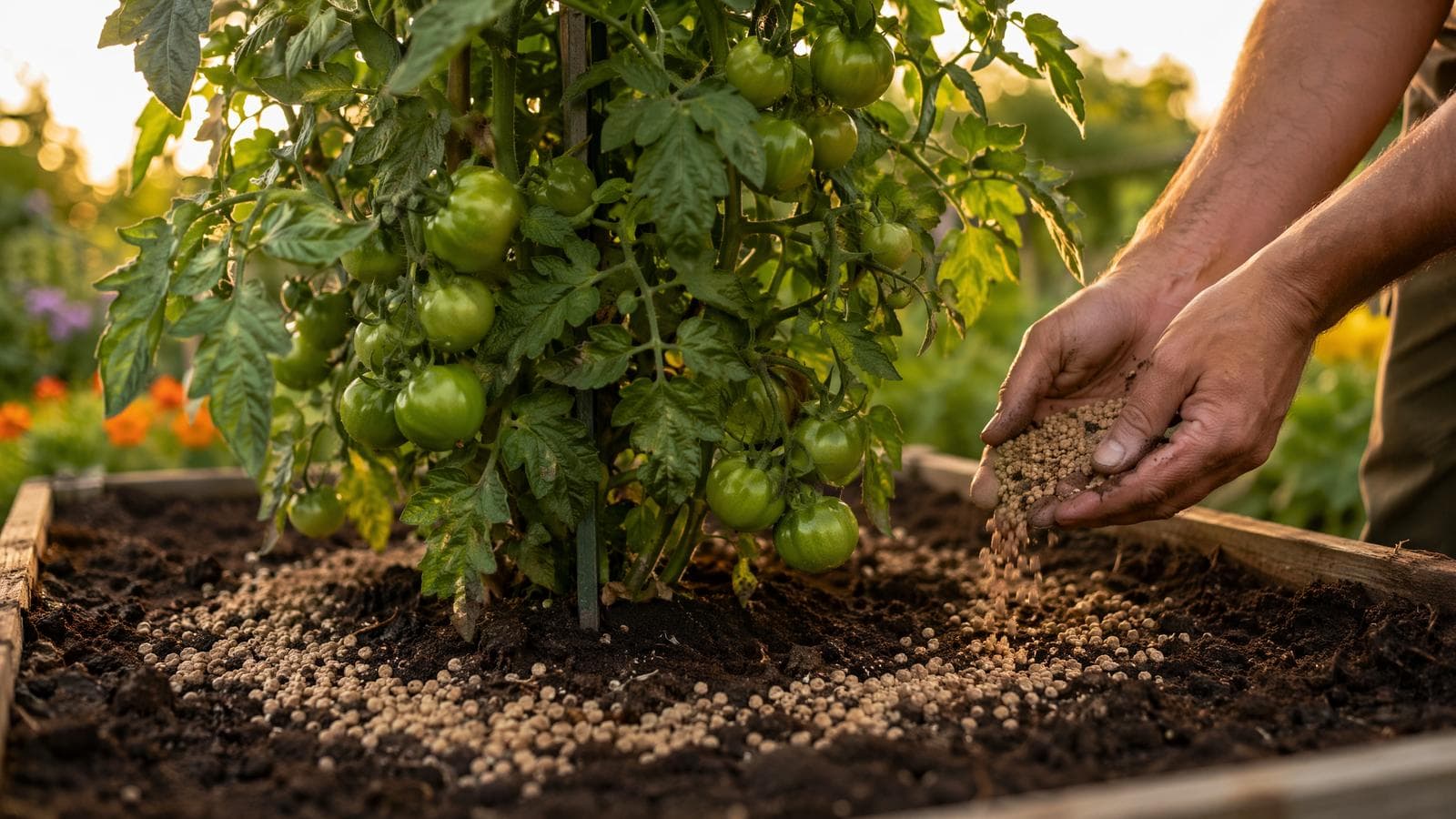
3. Recharge the soil: Those spring crops pulled a lot of nutrients out of the ground. Before you plant your summer vegetables in that same spot, you need to give back to the soil. Work in an inch or two of rich compost. If you're planting heavy feeders like squash or cucumbers next, a dose of a balanced organic granular fertilizer is also a great idea.
*To keep my soil biology thriving during these transitions, I rely on Dr. Earth Organic Vegetable Fertilizer. It's packed with beneficial microbes that help break down nutrients for your new summer plants.*
Succession Planting: Filling the Gaps
Now comes the fun part: filling those newly opened spaces! Mid-May is the perfect time to succession plant warm-weather crops.
Instead of planting all your summer seeds at once, succession planting means sowing a new batch every two to three weeks. This ensures a continuous harvest throughout the summer, rather than one overwhelming glut of produce all at once.
Here are some great options to direct-sow into the spaces vacated by your spring greens:
* Bush Beans: These germinate quickly in warm soil and don't require trellising. Plant a new row every two weeks through mid-summer.
* Zucchini and Summer Squash: Give them plenty of room, as they will quickly take over a bed.
* Cucumbers: Perfect for training up a trellis at the back of the bed where your tall spring peas used to be.
* Basil: A heat-loving herb that thrives in the spots where cilantro has bolted and faded.
A Note on Letting Things Go to Seed
While I generally advocate for pulling bolting crops to make room, there is one exception. If you have the space, consider letting one or two plants (like a radish or a cilantro plant) complete their lifecycle and flower.
These delicate flowers are absolute magnets for beneficial insects, including tiny parasitic wasps and hoverflies that will help control summer pest populations like aphids. Plus, you can collect the dried seeds at the end of the season to plant next spring!
The mid-May transition is all about flow. Out with the cool, in with the warm. By staying observant and keeping your soil nourished, you can keep your garden producing abundantly right through the summer months.
---
Frequently Asked Questions
Q: Can I stop my lettuce from bolting if I provide shade?
A: Shade cloth can delay bolting by keeping the soil slightly cooler and protecting the plants from intense afternoon sun, but it won't stop the process entirely. Once the day length increases and temperatures rise, bolting is inevitable.
Q: Should I pull up my peas in mid-May?
A: It depends on your climate. In warmer zones, peas will start to struggle and stop producing as it gets hot. If the lower leaves are turning yellow and brown and production has slowed significantly, it's time to pull them and plant something else.
Q: Do I need to rotate crops when I plant my summer vegetables?
A: Yes, crop rotation is always a good practice. Try to avoid planting summer crops from the same family in the exact spot where related spring crops grew. For example, don't plant tomatoes (nightshades) where you just grew potatoes (also nightshades).
---
*Disclosure: As an Amazon Associate I earn from qualifying purchases. This means if you click on an affiliate link and purchase the item, we will receive an affiliate commission at no extra cost to you.*
Ready to Design?
Upload a photo of your space and get beautiful, personalized design ideas in seconds.
Keep reading
Seasonal planting reminders and expert guides — free.