Blog
How to Grow Watermelons in Raised Beds: A Complete Guide
Think you don't have space for watermelons? Learn how to successfully grow juicy, sweet watermelons in raised beds and containers this summer.
2026-05-14
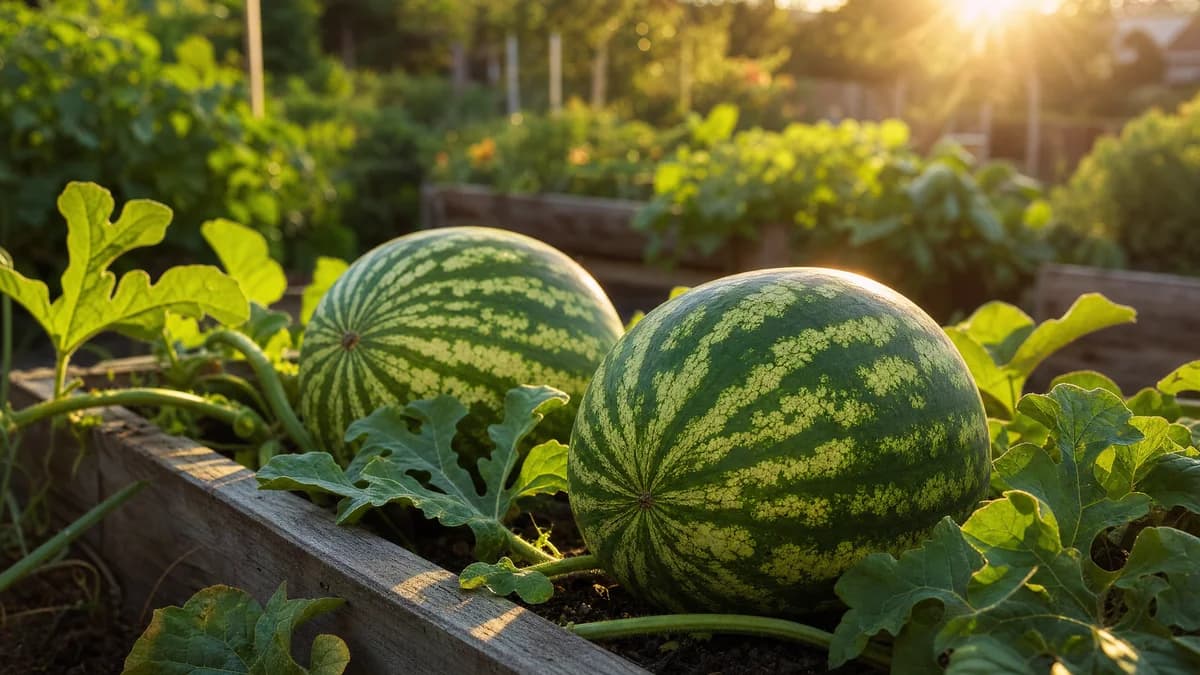
There's nothing quite like biting into a crisp, sweet watermelon on a hot summer day—especially when you grew it yourself! If you've always thought you needed a sprawling farm to grow these vining beauties, I have great news for you. As a master gardener, I'm here to tell you that growing watermelons in raised beds is not only possible, it's actually one of my favorite ways to grow them!
When you grow watermelons in raised beds, you get better drainage, the soil warms up faster in the spring, and you have complete control over the soil quality. Let's dive into exactly how you can harvest your own homegrown melons this season.
Why Raised Beds are Perfect for Watermelons
Watermelons love heat and they hate sitting in waterlogged soil. Raised beds solve both of these issues naturally. The soil in a raised bed warms up significantly faster than ground soil, which means you can often plant your watermelons a bit earlier and give them the long, warm growing season they crave.
Additionally, the loose, well-draining soil in a raised bed allows the deep roots of the watermelon plant to stretch out and access the nutrients they need without the risk of root rot.
Choosing the Right Varieties
When growing in a raised bed, you'll want to look for "icebox" or bush varieties. These compact plants produce smaller fruit (usually 5-10 pounds) and have shorter vines that are much easier to manage in a confined space.
Some excellent varieties for raised beds include:
- Sugar Baby: A classic, reliable producer of small, sweet melons with dark green rinds.
- Bush Sugar Baby: An even more compact version of the classic.
- Golden Midget: Produces small melons with yellow rinds and pink flesh—and they tell you when they're ripe by turning golden!
- Crimson Sweet: While the vines can get a bit longer, the fruit is exceptional and it can be trained up a sturdy trellis.
Preparing Your Raised Bed
Watermelons are heavy feeders, so you want to start with incredibly rich soil. I recommend a mix of high-quality topsoil, compost, and aged manure.
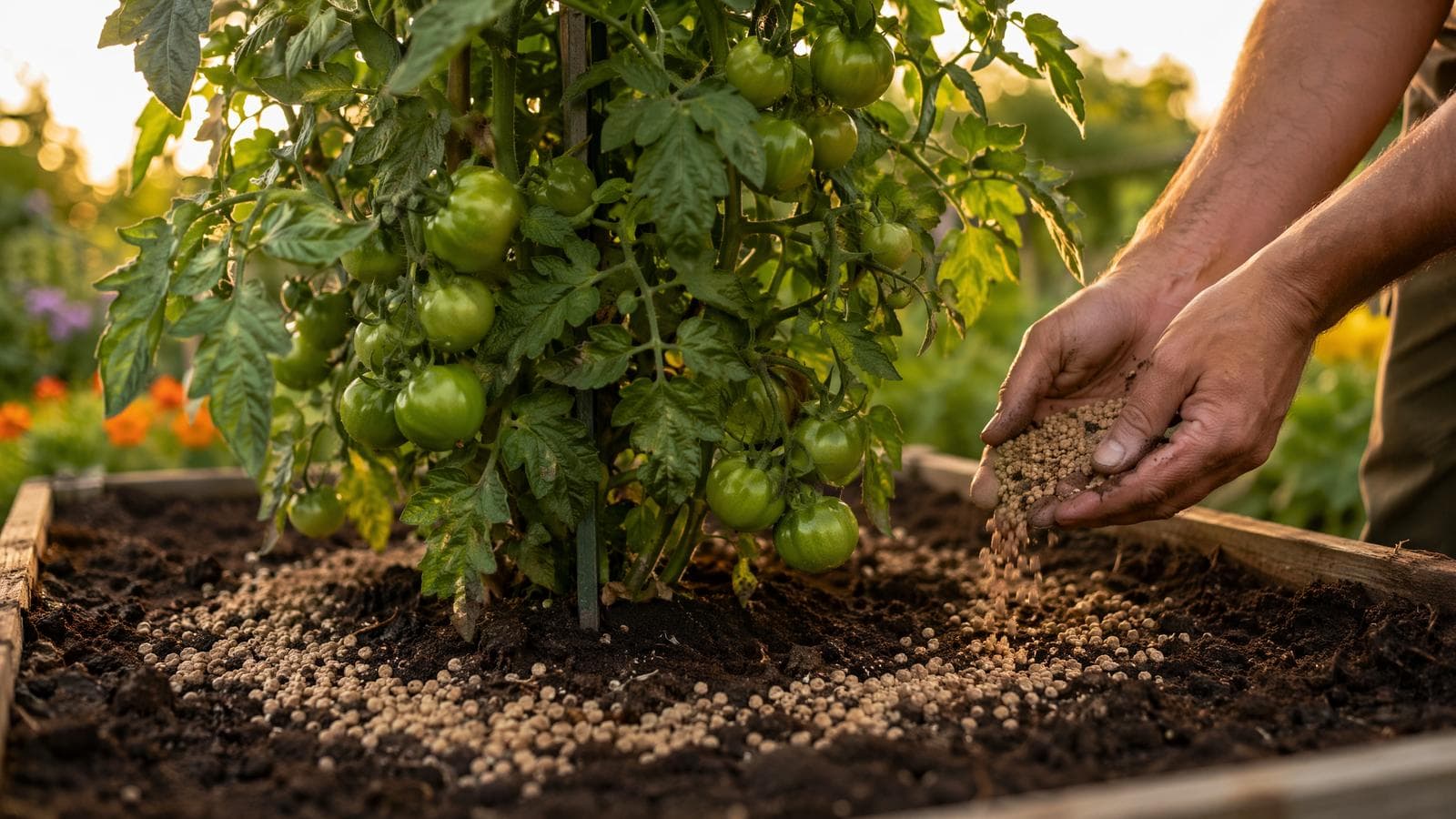
Before planting, I always mix in a good organic granular fertilizer. I highly recommend the Espoma Organic Garden-Tone 3-4-4 to give the plants a steady supply of nutrients throughout the season.
Planting and Spacing
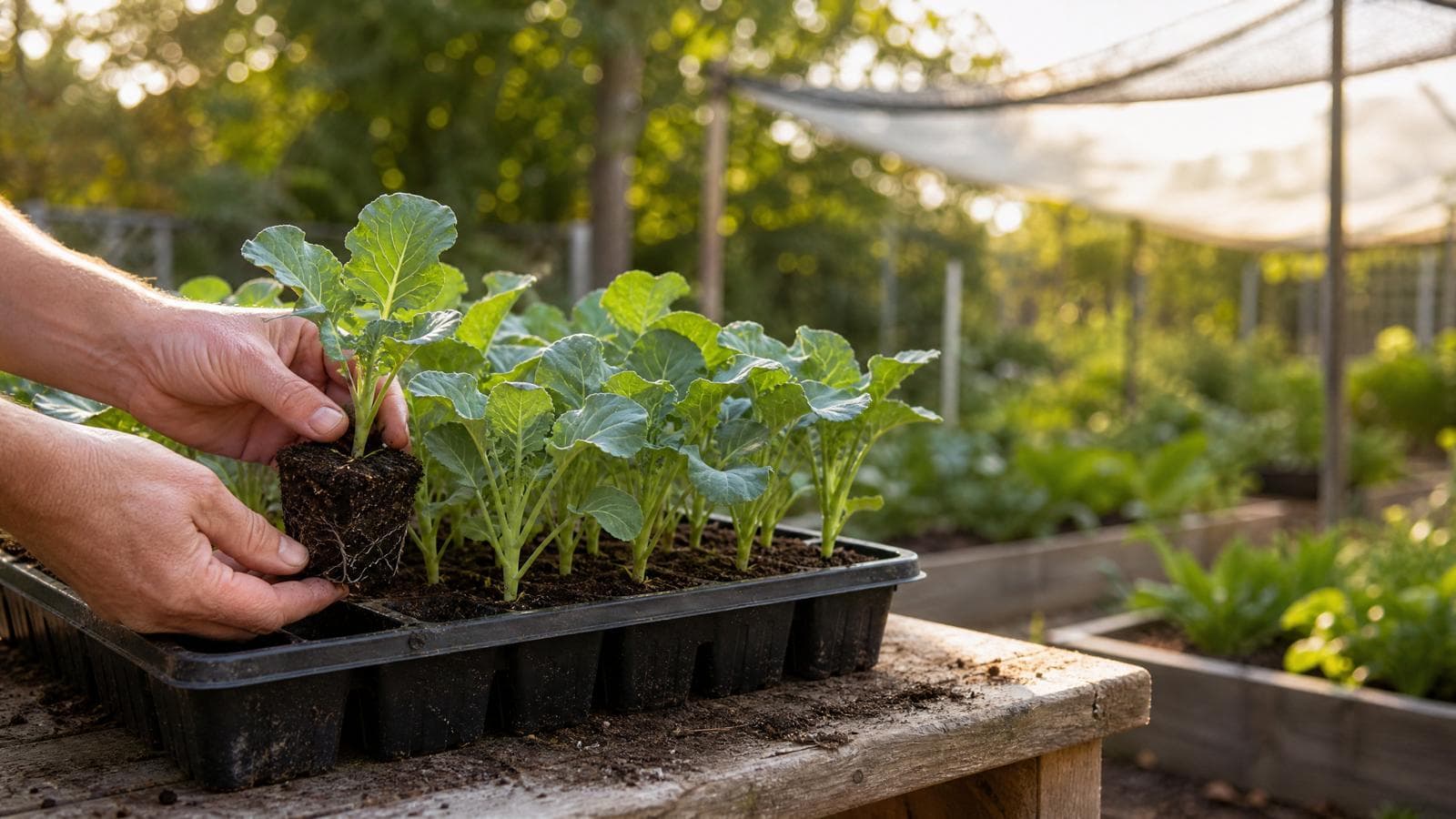
Wait until the soil is consistently warm (above 70°F) before planting. If you're transplanting seedlings, handle the roots very carefully—watermelons hate having their roots disturbed!
In a standard 4x8 raised bed, you can comfortably fit 2-3 watermelon plants if you let the vines trail over the sides, or up to 4 if you are rigorously training them up a trellis.
The Trellis Trick
If you want to maximize your space, growing watermelons vertically is the way to go! You'll need a very sturdy trellis—a heavy-duty cattle panel arched over the bed is ideal.
As the vines grow, gently weave them through the trellis or tie them using soft plant ties. When the melons start to develop, they will need support so they don't break off the vine. You can use old pantyhose, mesh bags, or specialized melon hammocks to cradle the fruit and tie it securely to the trellis structure.
Watering and Care
Watermelons need consistent moisture, especially when the fruit is setting and sizing up. However, the secret to the sweetest melons is to cut back on watering about a week or two before harvest. This concentrates the sugars in the fruit!
Consider installing a simple drip irrigation system to deliver water directly to the roots and keep the leaves dry, which helps prevent fungal diseases.
Harvesting Your Prize
Knowing when to harvest a watermelon is an art form. Look for these three signs:
1. The curly tendril closest to the melon has completely dried up and turned brown.
2. The spot where the melon rests on the ground (or in its hammock) has turned from white to a creamy, buttery yellow.
3. The melon sounds hollow when you give it a firm thump.
Happy growing, and enjoy those sweet summer slices!
---
FAQ
Can I grow full-sized watermelons in a raised bed?
While it's possible, it's very challenging. The vines of full-sized varieties can grow 20 feet long and will quickly take over your entire garden. Stick to compact or "icebox" varieties for the best results.
How deep does a raised bed need to be for watermelons?
Watermelons have surprisingly deep root systems. Your raised bed should be at least 12 inches deep, though 18-24 inches is even better.
Why are my watermelon flowers falling off without making fruit?
The first flowers to appear are usually male flowers, which won't produce fruit. They are there to attract pollinators. Female flowers (which have a tiny melon at the base) will appear a week or two later. If female flowers are falling off, it's likely a lack of pollination. You can try hand-pollinating using a small paintbrush.
---
*Disclosure: As an Amazon Associate I earn from qualifying purchases.*
Ready to Design?
Upload a photo of your space and get beautiful, personalized design ideas in seconds.
Keep reading
Seasonal planting reminders and expert guides — free.