Blog
Transitioning to Warm-Weather Crops: A Mid-May Guide
Learn how to successfully transition your garden from cool-season greens to heat-loving summer vegetables in mid-May. Tips on succession planting, soil prep, and more.
2026-05-13
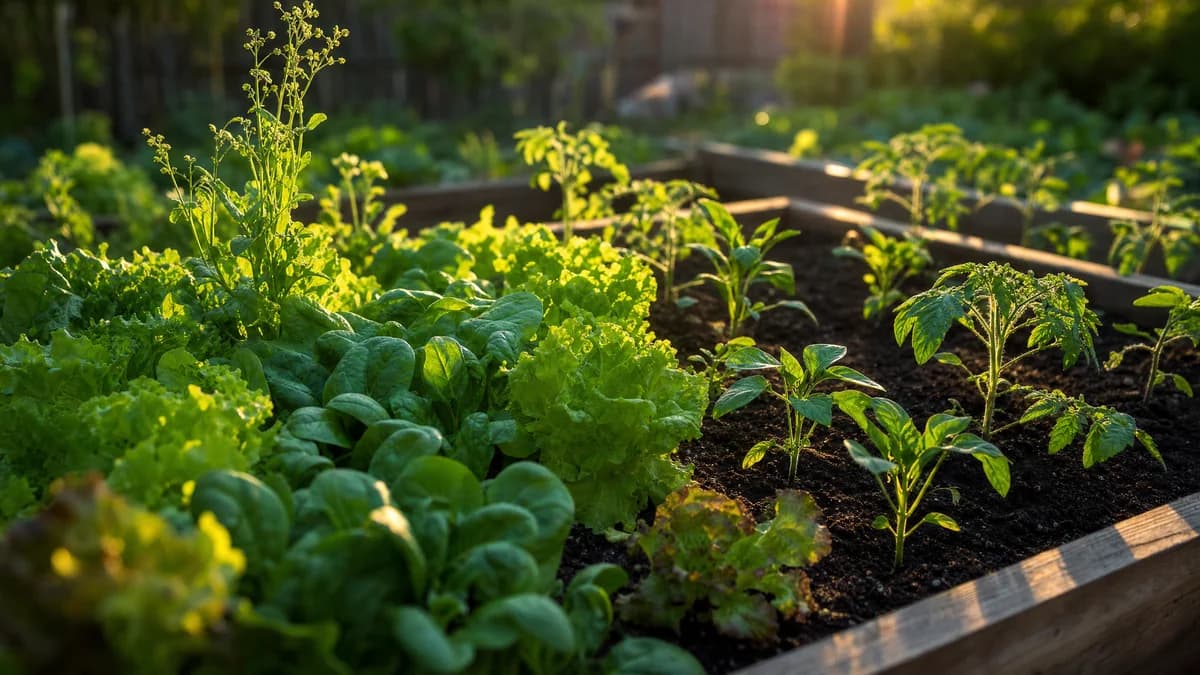
As mid-May arrives, the garden is in a state of beautiful flux. The crisp, cool days of early spring are giving way to the warmer, sun-drenched afternoons that summer promises. For us gardeners, this means it's time for the great garden swap—transitioning our beds from cool-season favorites to the heat-loving stars of summer.
If you're like me, you might be feeling a mix of excitement for those upcoming tomatoes and a little sadness at saying goodbye to the tender spring lettuces. But don't worry! With a bit of planning and the right techniques, this transition can be smooth, productive, and incredibly rewarding. Let's dive into how to make the most of this pivotal time in the gardening year.
Knowing When It's Time to Say Goodbye
The first step in transitioning your garden is recognizing when your cool-season crops are done. Plants like spinach, lettuce, radishes, and cilantro are notoriously sensitive to heat. As temperatures consistently climb into the 70s and 80s, these plants will begin to "bolt."
What is bolting? Bolting is a plant's natural response to heat stress. It rapidly sends up a central flower stalk, shifts its energy away from leaf production, and focuses on creating seeds. Once a plant bolts, its leaves often become bitter and tough.
When you see those tall stalks forming on your spinach or lettuce, it's time to harvest what you can and pull the plants. It might feel ruthless, but clearing this space is essential for making room for your summer crops.
Prepping the Soil for Summer Heavy Feeders
Summer vegetables—like tomatoes, peppers, squash, and eggplants—are what we call "heavy feeders." They require a lot of nutrients to produce those massive, juicy fruits we all crave. Before you pop them into the ground where your radishes used to be, you need to replenish the soil.
Here is my go-to routine for prepping beds between seasons:
1. Clear the Debris: Remove all remnants of the previous crops, including roots. If the plants were healthy, toss them in the compost bin. If they showed signs of disease, dispose of them in the trash to prevent spreading pathogens.
2. Aerate Gently: Use a broadfork or a garden fork to gently loosen the soil. You don't need to till deeply—just enough to relieve any compaction and improve drainage.
3. Add Compost: This is the most crucial step! Spread a generous 2 to 3-inch layer of high-quality compost over the bed. Compost adds essential organic matter, improves soil structure, and provides a slow release of nutrients.
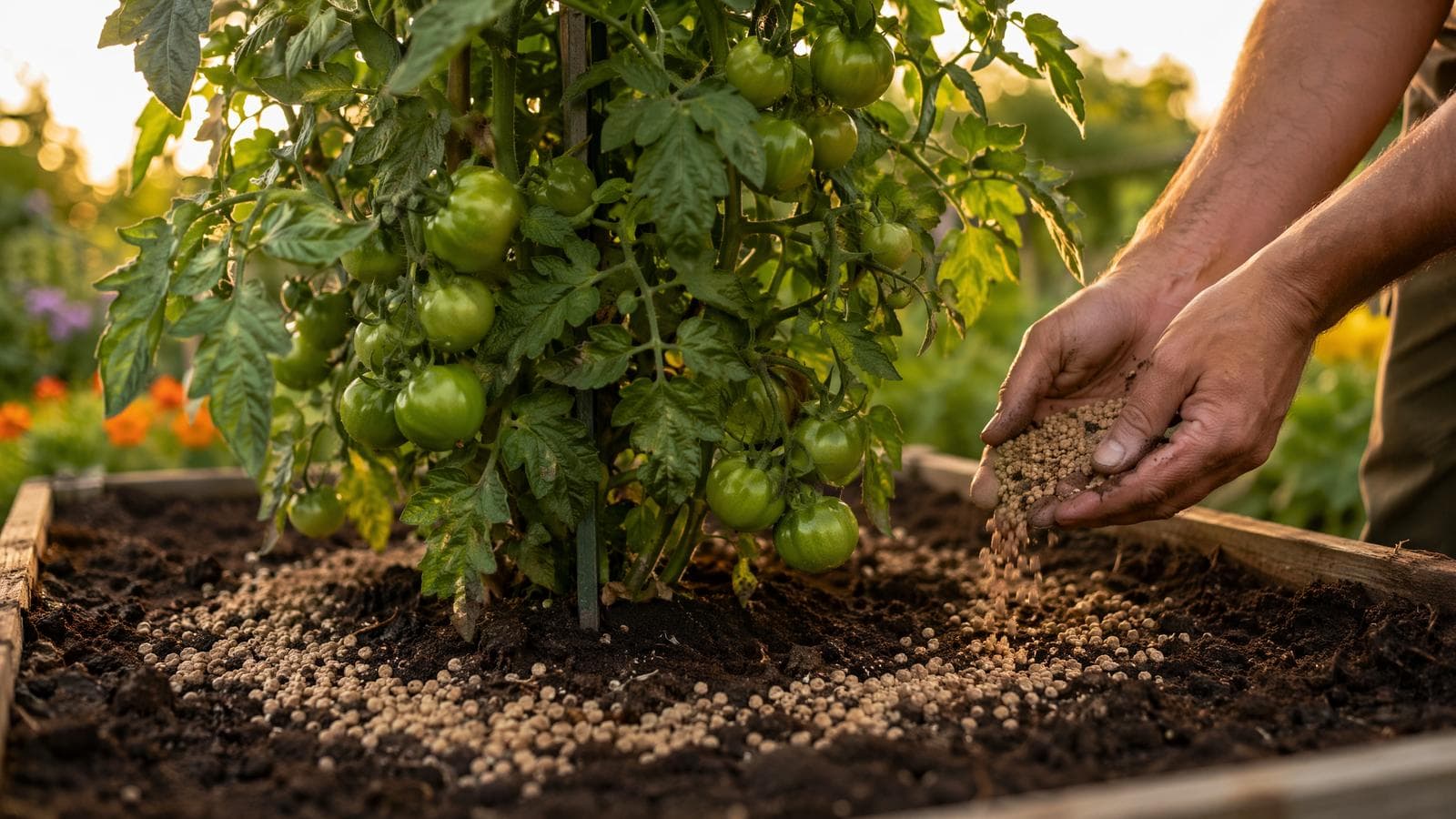
4. Consider an Organic Fertilizer: If you're planting particularly hungry crops (I'm looking at you, tomatoes), consider mixing in a balanced, slow-release organic fertilizer. I always recommend using a good all-purpose organic fertilizer to give those new transplants a strong start.
The Art of Succession Planting
You don't have to rip out your entire spring garden all at once. Succession planting allows for a more gradual transition.
For example, if you have a row of peas that are nearing the end of their harvest but still producing a bit, you can plant a heat-tolerant crop like bush beans right next to them. As the peas finish and are removed, the beans will already be established and ready to take over the space.
Similarly, you can interplant heat-loving seedlings among mature cool-season crops that will be harvested soon. This technique maximizes your garden space and ensures a continuous harvest throughout the season.
Hardening Off: The Crucial Step for Transplants
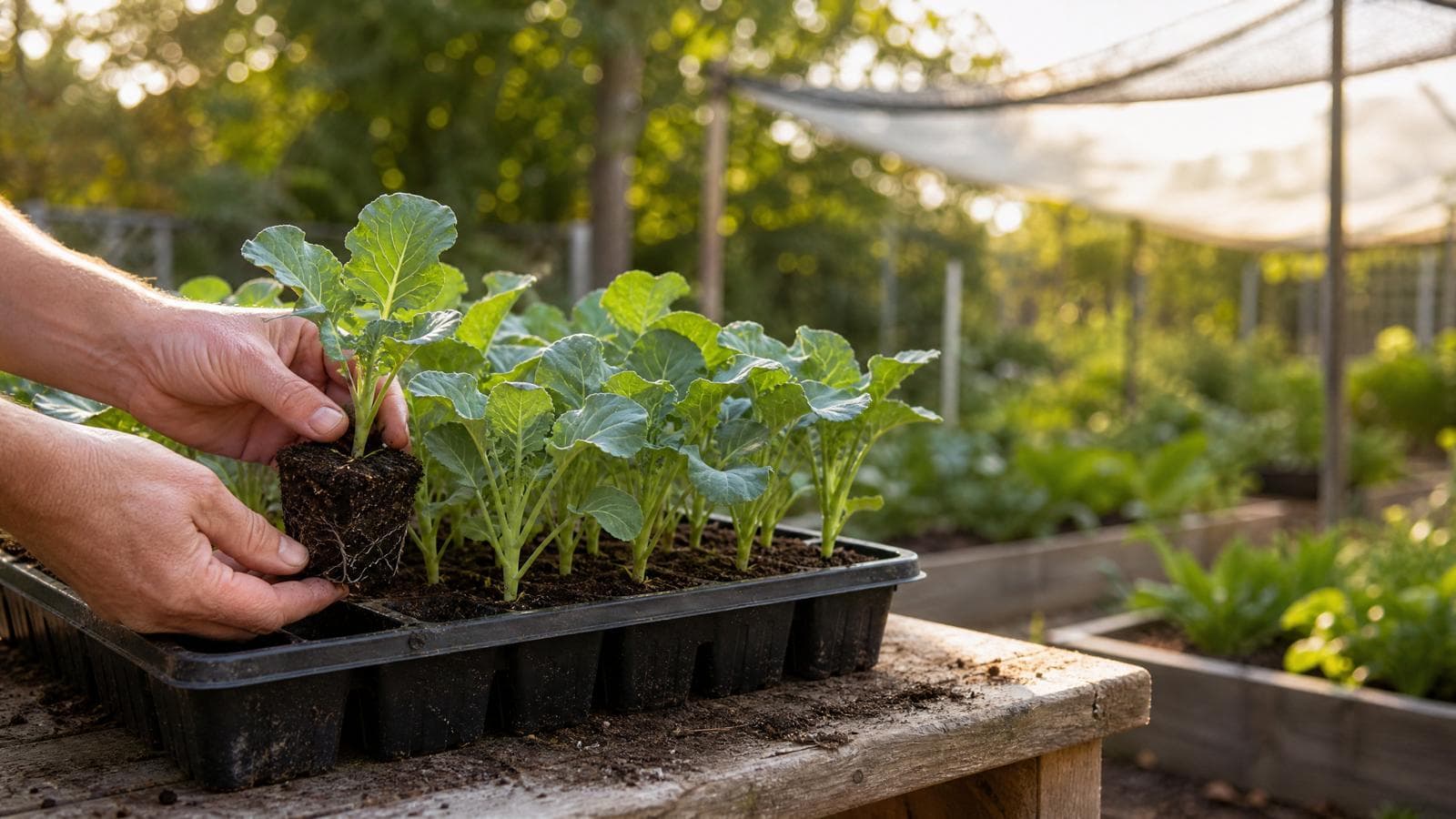
If you've been nurturing seedlings indoors under grow lights, or if you've just brought home some tender young plants from the nursery, you cannot simply plant them directly into the garden. They need to be "hardened off."
Hardening off is the process of gradually acclimating indoor-grown plants to the harsh realities of the outdoors—intense sunlight, fluctuating temperatures, and wind.
A Simple Hardening Off Schedule:
* Days 1-2: Place plants outdoors in a shaded, protected spot for 2-3 hours. Bring them back inside.
* Days 3-4: Increase outdoor time to 4-5 hours, introducing them to dappled morning sunlight.
* Days 5-6: Leave them out for a full day, gradually exposing them to more direct sunlight. Bring them in if temperatures drop significantly at night.
* Day 7: Leave them out overnight (as long as there is no risk of frost). They are now ready to be planted!
What to Plant Right Now
Mid-May is the sweet spot for getting those warm-weather crops established. Here are some favorites to focus on:
* Tomatoes and Peppers: The undisputed kings of the summer garden. Ensure the soil is warm (above 60°F) before planting.
* Squash and Zucchini: These fast growers love the heat and will quickly fill empty spaces.
* Cucumbers: Whether for slicing or pickling, cucumbers thrive in warm weather. Consider providing a trellis to save space and keep the fruit clean.
* Beans (Bush and Pole): Beans are incredibly easy to grow from seed directly sown into the warm soil.
* Basil: The perfect companion for your tomatoes, basil requires warm soil and plenty of sunshine to flourish.
Transitioning your garden in mid-May is a busy but incredibly exciting time. By paying attention to the weather, prepping your soil, and choosing the right crops, you're setting the stage for a bountiful and beautiful summer harvest. Happy gardening!
---
*Disclosure: As an Amazon Associate I earn from qualifying purchases.*
Frequently Asked Questions
Q: Can I leave my bolted lettuce in the garden for the pollinators?
A: Yes, absolutely! Bolted lettuce and brassicas (like broccoli and mustard) produce flowers that are highly attractive to beneficial insects. If you have the space, leaving a few plants to flower is a great way to support your local ecosystem.
Q: Is it too late to start seeds outdoors in mid-May?
A: Not at all! Mid-May is actually the perfect time to direct-sow seeds for fast-growing, heat-loving crops like beans, squash, cucumbers, and corn. The warm soil will encourage rapid germination.
Q: How often should I water my new summer transplants?
A: New transplants need consistent moisture to establish their root systems. Water them deeply immediately after planting, and then check the soil daily. Keep the soil evenly moist (but not waterlogged) for the first week or two. Once they show signs of new growth, you can gradually reduce the frequency of watering, encouraging deeper roots.
Ready to Design?
Upload a photo of your space and get beautiful, personalized design ideas in seconds.
Keep reading
Seasonal planting reminders and expert guides — free.