Blog
Managing Heat Stress in Your Summer Vegetable Garden
When the mid-July heat dome settles in, your plants can suffer. Learn the master gardener secrets to protecting your vegetable garden from extreme heat stress.
2026-07-13
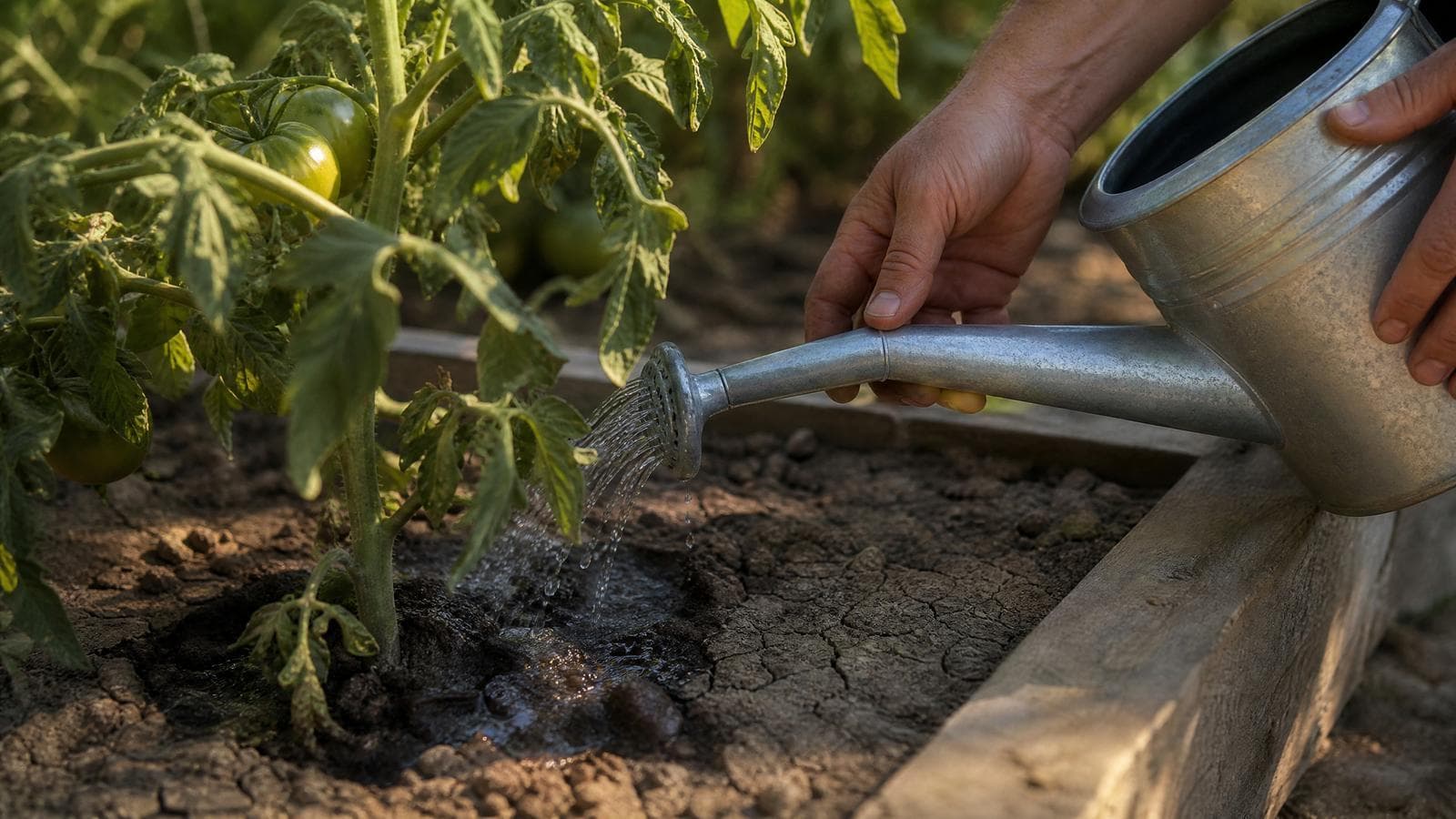
When the mid-July heat dome settles in and temperatures consistently climb into the 90s (or higher), your vegetable garden enters survival mode. Even sun-loving crops like tomatoes and peppers can suffer from heat stress when the sun is unrelenting.
As a master gardener, I've seen entire harvests lost to a single week of extreme heat. But with a few proactive strategies, you can protect your plants, conserve water, and keep your garden producing right through the dog days of summer.
Recognizing Heat Stress in Plants
The first step in managing heat stress is knowing what it looks like. Plants have built-in defense mechanisms against extreme temperatures, and sometimes what looks like a dying plant is actually a plant trying to save itself.
Signs of Heat Stress:
* Wilting during the day: This is normal! Plants lose water through their leaves faster than their roots can absorb it, so they wilt to reduce surface area. If they perk back up by morning, they are fine. If they are still wilted at dawn, they are in trouble.
* Blossom drop: Tomatoes, peppers, and squash will often drop their flowers when temperatures exceed 90°F (32°C). The plant is conserving energy.
* Sunscald: White or yellow papery patches on the fruit (especially peppers and tomatoes) where the sun has literally baked the skin.
* Leaf roll: Tomato leaves curling upward and inward like a taco. This is a defense mechanism to reduce sun exposure and water loss.
Strategy 1: Strategic Watering
How and when you water during a heatwave makes all the difference.
Water Deeply and Infrequently:
A quick sprinkle every day encourages shallow root growth, making plants incredibly vulnerable to heat. Instead, water deeply (aiming for 1-2 inches of water) two or three times a week. This forces roots to grow deep into the cooler, moister soil.
Water in the Early Morning:
Watering at dawn gives the plants time to absorb moisture before the sun hits its peak. Watering in the evening can leave foliage wet overnight, inviting fungal diseases.
> Master Gardener Tip: If you haven't installed drip irrigation yet, mid-summer is the time to do it. It delivers water directly to the root zone with zero evaporation loss. I highly recommend the Check Price on Amazon for an easy, beginner-friendly setup.
Strategy 2: Provide Temporary Shade
Vegetables need sun, but nobody needs 10 hours of 100°F sun. Providing temporary shade during the hottest part of the afternoon (2 PM to 5 PM) can save your harvest.
You don't need a fancy setup. You can use:
* Shade Cloth: A 30% to 40% shade cloth draped over hoops or stakes is ideal. It blocks the most intense rays while still allowing enough light for photosynthesis.
* DIY Solutions: An old white bedsheet, an umbrella, or even strategically placed lawn chairs can provide emergency relief for stressed plants.
If you are looking for a durable, reusable option, the Check Price on Amazon is excellent for vegetable gardens.
Strategy 3: Mulch Like You Mean It
If your soil is bare in July, you are losing massive amounts of water to evaporation, and your plant roots are baking.
A thick layer (2 to 3 inches) of organic mulch acts like insulation for the soil. It keeps the root zone significantly cooler than the air temperature and locks in moisture.
Best Summer Mulches:
* Straw: Light-colored straw reflects sunlight and is excellent for vegetable beds. (Make sure it is straw, not hay, which contains seeds).
* Shredded Leaves: Free, nutrient-rich, and highly effective.
* Grass Clippings: Ensure they are untreated with herbicides and let them dry out a bit before applying so they don't mat together.
Strategy 4: Stop Fertilizing
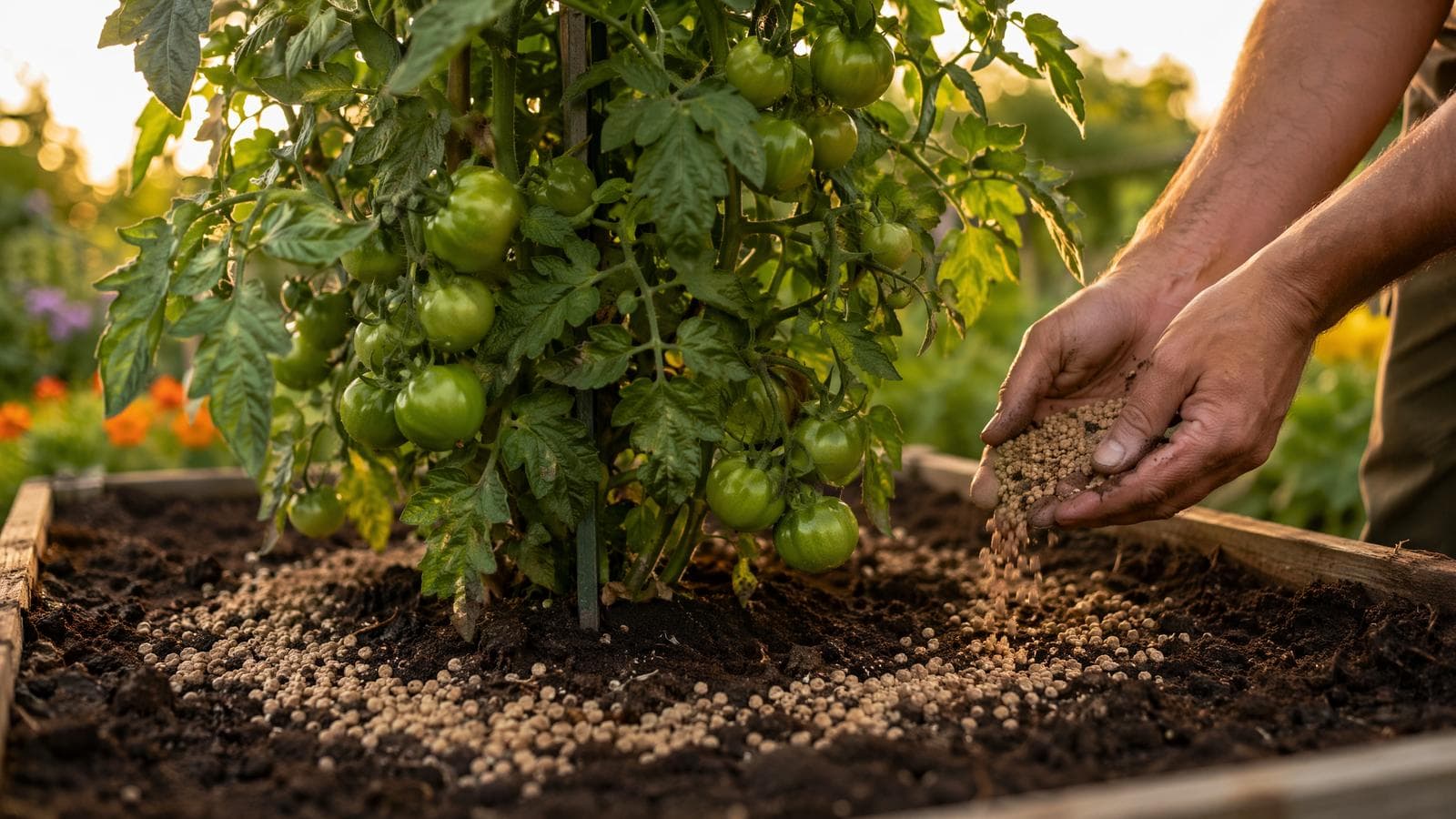
This is a common mistake. When plants look stressed, our instinct is to feed them. Do not fertilize a heat-stressed plant.
Fertilizer pushes the plant to put out new, tender growth. This new growth requires a massive amount of water and energy—resources the plant desperately needs just to survive the heat. Wait until the heatwave breaks and temperatures return to normal before applying any compost tea or organic fertilizers.
Looking Ahead
Heatwaves are a harsh reality of summer gardening, but they don't have to be the end of your harvest. By focusing on deep watering, providing afternoon shade, and mulching heavily, you can guide your garden safely through the hottest days of the year.
If you are struggling to keep your garden alive and want to rethink your layout for better shade and water retention next year, try running a photo of your space through our Garden Designer. Or, if you have a specific stressed plant you are worried about, ask our Community Chat for immediate advice!
***
*As an Amazon Associate I earn from qualifying purchases.*
***
Frequently Asked Questions
Should I water my plants if they are wilting in the afternoon?
Usually, no. Check the soil moisture first. Stick your finger two inches into the soil. If it is dry, water immediately at the base of the plant. If it is moist, the plant is just wilting to conserve water and will recover overnight. Watering already-moist soil can lead to root rot.
Why are my tomatoes not turning red in the heat?
Lycopene and carotene, the pigments that turn tomatoes red and orange, stop being produced when temperatures consistently stay above 85°F (29°C). The fruit will stay green or yellowish-orange until the weather cools down.
Can I harvest vegetables during a heatwave?
Yes, but do it early in the morning! Vegetables harvested in the afternoon heat will be limp, stressed, and won't store well in the fridge. Morning harvests are crisp and fully hydrated.
Ready to Design?
Upload a photo of your space and get beautiful, personalized design ideas in seconds.
Keep reading
Seasonal planting reminders and expert guides — free.