Blog
Essential May Pruning and Garden Maintenance Guide
Keep your garden healthy and vibrant with our comprehensive guide to May pruning and maintenance. Learn what to trim, what to leave alone, and how to manage early pests.
2026-05-13
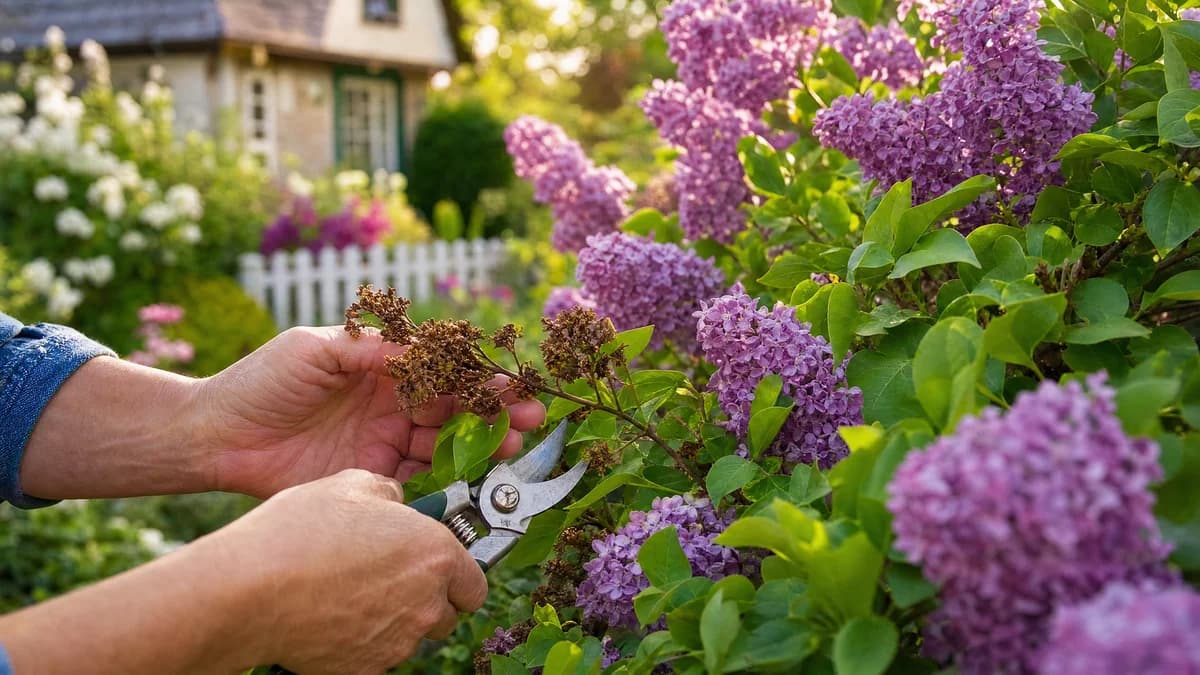
Welcome to mid-May, fellow gardeners! If your yard looks anything like mine right now, it’s an absolute explosion of green. The spring rains and warming temperatures have sent everything into overdrive. It’s a glorious sight, but it also means our gardens are demanding a bit more of our attention.
While planting new summer crops often takes center stage this month, we can't neglect the established plants that form the backbone of our landscapes. May is a critical time for strategic pruning, deadheading, and general maintenance. Taking care of these tasks now will ensure a healthier, more manageable, and more beautiful garden all summer long. Let’s grab our pruners and get to work!
The Golden Rule of Spring Pruning
Before we make a single cut, we need to review the golden rule of spring pruning: If it blooms in the spring, prune it immediately after it finishes flowering.
Shrubs like Forsythia, Lilacs, Azaleas, and early-blooming Spirea set their flower buds for the *next* year during the summer. If you wait until late summer or fall to prune them, you will accidentally cut off all of next spring's beautiful blossoms.
By pruning them right after their flowers fade in May, you give the plant the entire growing season to develop new wood and set buds for the following year.
How to Prune Spring-Blooming Shrubs:
1. Remove the Dead and Damaged: Start by cutting out any branches that are dead, diseased, or broken from winter storms.
2. Thin for Airflow: Remove about one-third of the oldest, thickest stems right down to the ground. This opens up the center of the shrub, allowing sunlight and air to circulate, which drastically reduces the risk of fungal diseases.
3. Shape Lightly: Finally, trim back the remaining branches to maintain the desired shape and size of the shrub. Always cut just above an outward-facing bud.
For clean, precise cuts that heal quickly, I highly recommend investing in a high-quality pair of bypass pruners. A good pair of Felco bypass pruners will last a lifetime and make your pruning tasks significantly easier.
The Art of Deadheading
Deadheading is simply the process of removing faded or dead flowers from your plants. It might seem tedious, but it is one of the most impactful maintenance tasks you can do in May.
Why Deadhead?
* Encourages More Blooms: When a flower fades and goes to seed, the plant directs its energy into seed production. By removing the spent flower, you trick the plant into producing more blossoms in an attempt to reproduce.
* Improves Appearance: Let's face it, brown, shriveled flowers aren't very attractive. Deadheading instantly tidies up the garden.
* Prevents Unwanted Self-Seeding: Some plants are prolific self-seeders and can quickly become weeds if left unchecked. Deadheading prevents them from spreading aggressively.
In May, focus your deadheading efforts on early bloomers like Pansies, Violas, early Peonies, and spring-flowering bulbs like Tulips and Daffodils.
*A crucial note on bulbs:* When deadheading tulips and daffodils, only remove the flower stalk. Do not cut back the green foliage! The leaves need to remain intact to absorb sunlight and store energy in the bulb for next year's display. Wait until the leaves have completely yellowed and died back naturally before removing them.
Staying Ahead of the Weeds
May is the month when weeds really start to show their strength. The same ideal conditions that make our garden plants thrive also encourage explosive weed growth. The key is to stay ahead of them before they go to seed.
Make weeding a regular part of your garden routine. I like to spend 15 minutes every evening doing a quick patrol. It’s much easier to pull small, young weeds than to wrestle with deeply rooted giants later in the season.
Applying a thick layer of organic mulch (about 2-3 inches) around your plants is your best defense. Mulch suppresses weed seeds by blocking sunlight and makes the weeds that do manage to sprout much easier to pull.
Early Pest Patrol
As the garden wakes up, so do the pests. In May, be on the lookout for early invaders like aphids, slugs, and snails.
* Aphids: These tiny, sap-sucking insects love tender new growth. You'll often find them clustered on the tips of stems or the undersides of leaves. A strong blast of water from the hose is usually enough to dislodge them.
* Slugs and Snails: These slimy culprits thrive in the damp, cool conditions of spring and can decimate young seedlings overnight. Hand-picking them in the evening or setting up beer traps are effective, organic control methods.
May maintenance might feel like a lot of work, but it’s truly an investment in the future of your garden. By taking the time to prune, deadhead, and manage weeds now, you are laying the foundation for a spectacular, low-stress summer.
---
*Disclosure: As an Amazon Associate I earn from qualifying purchases.*
Frequently Asked Questions
Q: Can I prune my hydrangeas in May?
A: It depends on the type of hydrangea. Mophead and Lacecap hydrangeas (Hydrangea macrophylla) bloom on "old wood" (last year's growth), so they should only be pruned immediately after flowering in the summer. Panicle hydrangeas (Hydrangea paniculata) bloom on "new wood" and can be pruned in late winter or early spring, but May is generally too late, as they are already forming buds.
Q: Should I fertilize my shrubs after I prune them?
A: Yes, applying a balanced, slow-release organic fertilizer after pruning spring-blooming shrubs is a great practice. It provides the nutrients they need to push out healthy new growth and set buds for the following year.
Q: My hostas have holes in the leaves, but I don't see any bugs. What is it?
A: That is classic slug or snail damage. They are nocturnal feeders, which is why you rarely see them during the day. Try going out at night with a flashlight to catch them in the act, or set up shallow dishes of beer near the hostas to trap them.
Ready to Design?
Upload a photo of your space and get beautiful, personalized design ideas in seconds.
Keep reading
Seasonal planting reminders and expert guides — free.