Blog
How to Grow Sweet Corn in Your Backyard Garden
Discover the secrets to growing delicious, juicy sweet corn at home. Learn about planting in blocks, soil requirements, and watering for the best harvest.
2026-05-13
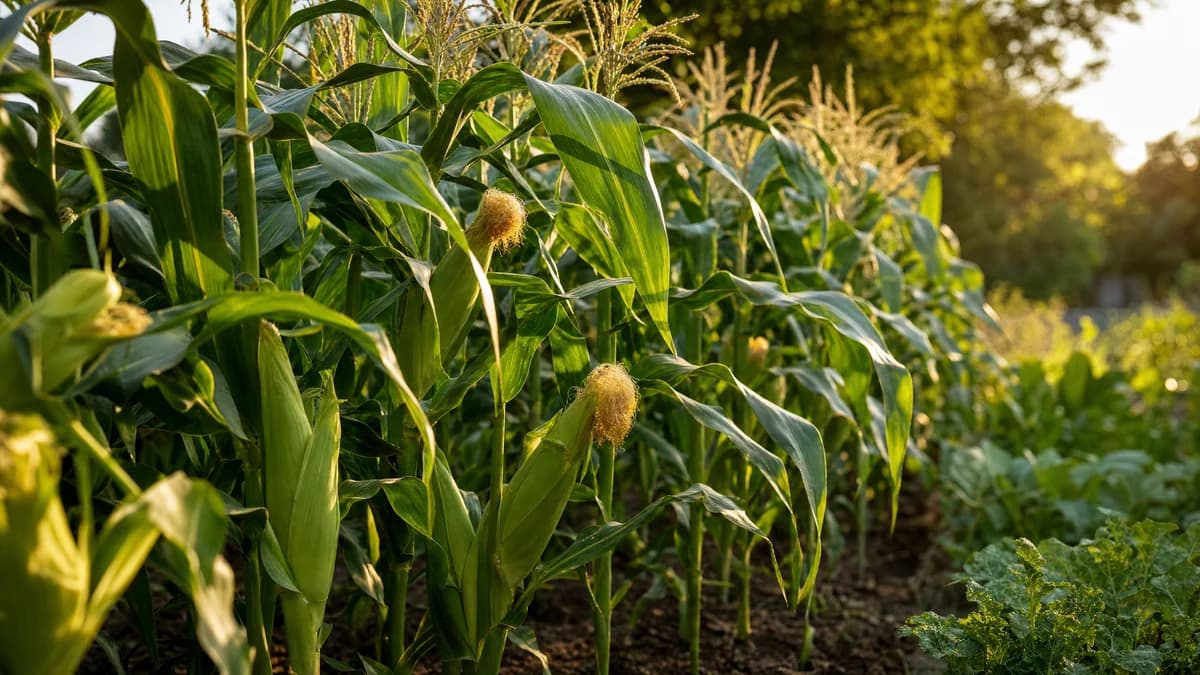
Is there anything that screams "summer" more than biting into a freshly picked, perfectly cooked ear of sweet corn? The sweetness of corn straight from the garden is unmatched by anything you can buy in a grocery store, simply because the sugars begin turning to starch the moment it's picked.
Growing corn might seem intimidating, especially if you have a smaller garden, but it's entirely possible and incredibly rewarding. Let's dive into how you can successfully grow sweet corn in your own backyard this season.
The Secret to Success: Plant in Blocks, Not Rows
This is the single most important rule for growing corn at home. Corn is wind-pollinated. The pollen from the tassels at the top of the plant needs to fall onto the silks of the ears below. If you plant corn in one long, single row, the wind will likely blow the pollen right past the silks, resulting in ears with missing kernels.
Instead, plant your corn in short blocks. For example, rather than one row of 24 plants, plant four rows of six plants, or a 4x4 square. This ensures that no matter which way the wind blows, pollen will find its target.
Soil and Sun Requirements
Corn is a warm-weather crop that loves sunshine and rich soil.
* Sunlight: Choose the sunniest spot in your garden. Corn needs a minimum of 6 to 8 hours of direct, unfiltered sunlight every day.
* Soil: Corn is a heavy feeder, meaning it requires a lot of nutrients, particularly nitrogen. Before planting, enrich your soil with plenty of well-rotted compost or aged manure. The soil should be well-draining with a pH between 6.0 and 6.8.
Planting Your Corn
Corn doesn't like having its roots disturbed, so it's best to direct sow the seeds right into the garden rather than starting them indoors.
1. Timing: Wait until all danger of frost is past and the soil has warmed to at least 60°F (15°C). Mid to late May is usually the perfect time for most regions.
2. Spacing: Plant seeds about 1 inch deep. Space the seeds about 8 to 12 inches apart within the rows, and keep the rows about 30 to 36 inches apart.
3. Watering: Water the area gently but thoroughly after planting. Keep the soil consistently moist until the seeds germinate, which usually takes 7 to 14 days.
Caring for Your Corn Crop
Once your corn is growing, it requires consistent care to produce those plump, juicy ears.
* Watering: Corn needs a lot of water, especially when the tassels and silks are forming. Aim for about 1 to 1.5 inches of water per week. If Mother Nature isn't providing it, you'll need to step in. Water deeply at the base of the plants.
* Fertilizing: Because corn grows so fast and is a heavy feeder, a side-dressing of nitrogen-rich fertilizer when the plants are about knee-high (and again when they start to tassel) will give them the boost they need.
* Weeding: Keep the area around your corn free of weeds, which will compete for water and nutrients. Be careful when hoeing, as corn has shallow roots that are easily damaged.
Harvesting the Perfect Ear
Knowing exactly when to harvest corn is a bit of an art form, but there are a few telltale signs:
* The Silks: Wait until the silks at the top of the ear have turned brown and dried out.
* The Feel: Gently squeeze the ear. It should feel full and blunt at the tip, not pointed.
* The Milk Test: If you're unsure, carefully peel back a small section of the husk and pierce a kernel with your thumbnail. If the liquid inside is clear, it's not ready. If it's milky white, it's perfect! If it's thick and pasty, you've waited too long.
When it's ready, simply grab the ear, pull it downward, and twist. Then, get the water boiling immediately!
***
*Disclosure: As an Amazon Associate I earn from qualifying purchases.*
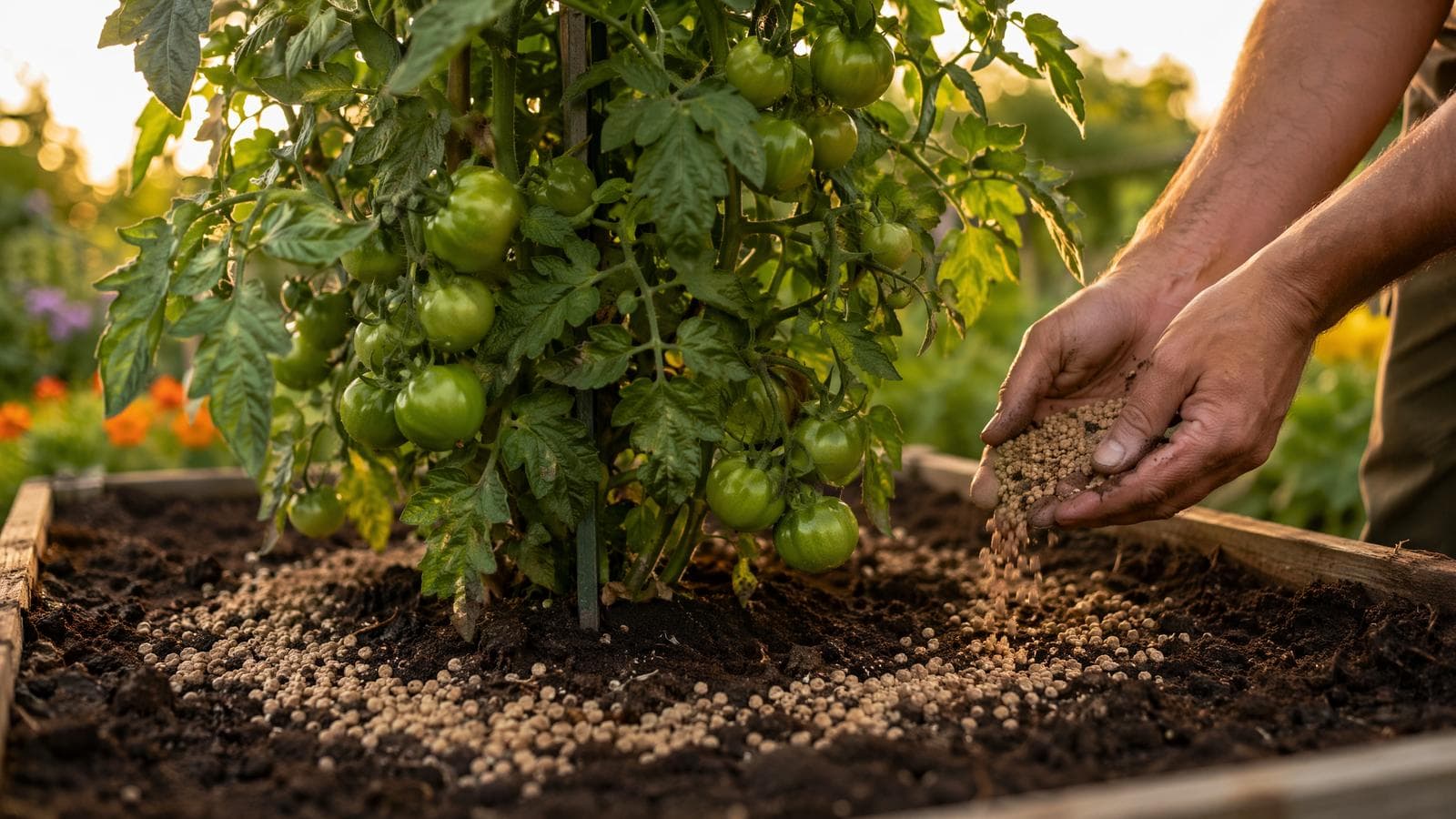
To get your corn off to the best start, consider using a high-quality organic fertilizer. I've had great success with Espoma Organic Garden-Tone, which provides the perfect balance of nutrients for heavy feeders like corn.
Frequently Asked Questions
Can I grow corn in a raised bed?
Yes, absolutely! Raised beds are great for corn because the soil warms up faster in the spring. Just remember to plant in a block rather than a single row.
How many ears of corn will one plant produce?
Most sweet corn varieties will produce one or two harvestable ears per stalk.
Do I need to worry about cross-pollination?
Yes. If you plant different varieties of corn (like sweet corn and popcorn, or even two different types of sweet corn) too close together, they can cross-pollinate, which can ruin the flavor and texture. If you want to grow different varieties, stagger your planting times by a few weeks or plant them far apart.
Enjoy the unmatched taste of homegrown sweet corn this summer!
Ready to Design?
Upload a photo of your space and get beautiful, personalized design ideas in seconds.
Keep reading
Seasonal planting reminders and expert guides — free.