Blog
How to Grow Pole Beans on a Trellis: A Vertical Gardening Guide
Maximize your garden space and harvest by growing pole beans vertically. Learn the best trellis ideas, planting tips, and care strategies for a massive bean harvest.
2026-05-18
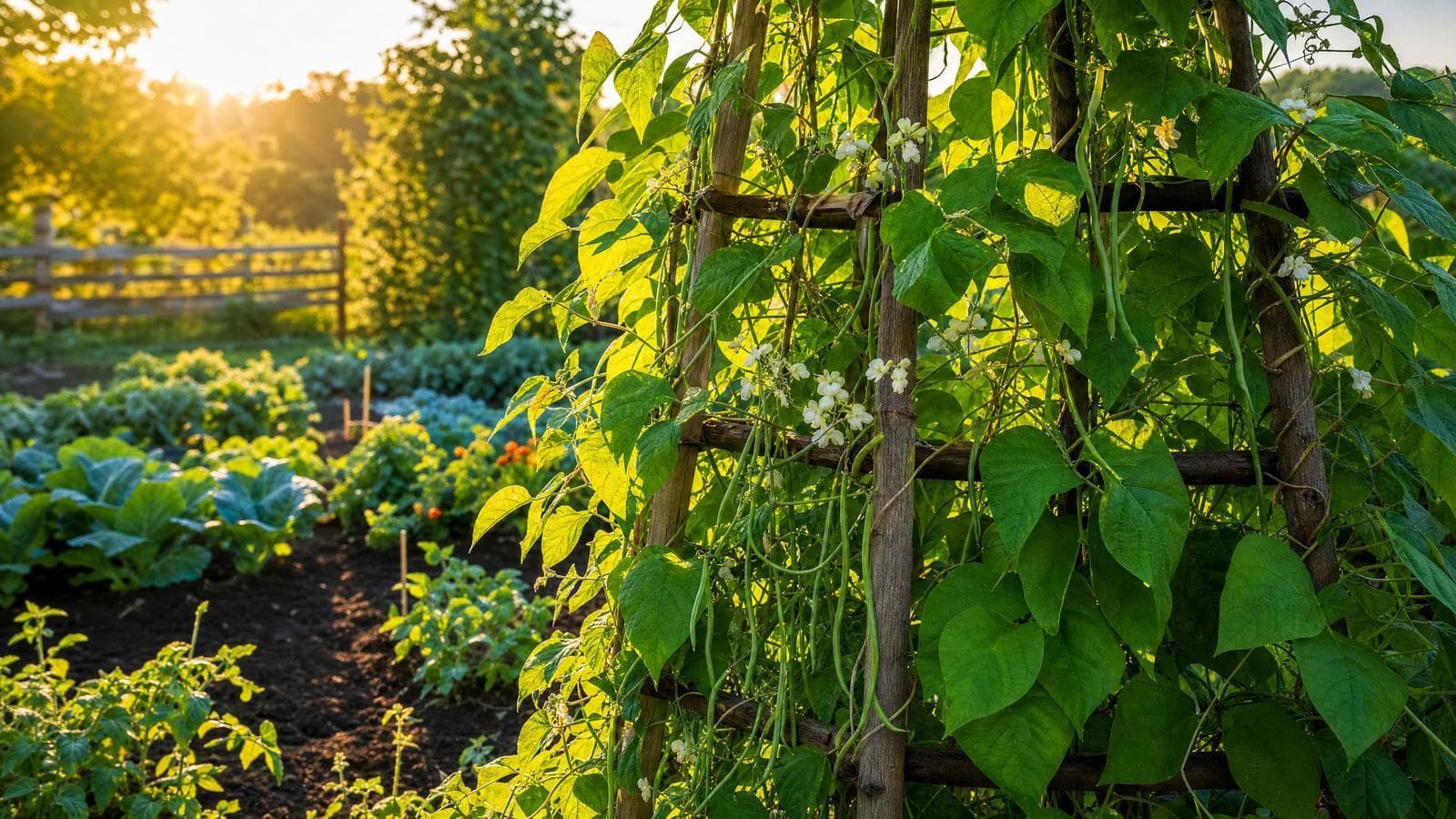
Welcome back to the garden, friends! As late May rolls in and the soil finally warms up, it’s the perfect time to talk about one of my absolute favorite summer crops: pole beans. If you’ve been growing bush beans and feeling like they take up too much precious real estate for the yield they provide, it’s time to look up. Vertical gardening is the secret to maximizing a small space, and pole beans are the perfect candidate.
Growing pole beans on a trellis not only saves space but also keeps the beans off the ground, reducing the risk of rot and making harvesting a breeze. No more bending over and hunting through dense foliage! Let’s dive into everything you need to know to get those beans climbing.
Why Choose Pole Beans Over Bush Beans?
Before we get to the "how," let's talk about the "why." Bush beans are great—they mature quickly and don't require support. However, they tend to produce their crop all at once over a couple of weeks, and then they're done.
Pole beans, on the other hand, are indeterminate. This means they will keep growing and producing right up until the first frost, as long as you keep picking them. They yield significantly more beans per square foot than bush beans, making them a fantastic choice for raised beds and small gardens. Plus, a towering trellis covered in lush green vines and delicate flowers adds a beautiful vertical element to your garden design.
Choosing the Right Trellis
Pole beans are vigorous climbers, and they need sturdy support. They don't have tendrils like peas or cucumbers; instead, the entire main stem twines around the support structure. Here are a few fantastic trellis options:
The Classic Teepee
A bamboo teepee is a classic, charming addition to any garden. It’s inexpensive, easy to build, and kids love hiding inside them! Simply take 4 to 6 long bamboo poles (at least 6-8 feet tall), push the bases into the soil in a circle, and tie the tops tightly together with twine. You can easily find heavy-duty bamboo garden stakes online or at your local hardware store.
The A-Frame Trellis
An A-frame is incredibly sturdy and provides a lot of growing space. You can build one using scrap wood or cattle panels. Cattle panels are my personal favorite because they are practically indestructible and the grid pattern provides perfect support. Just lean two panels toward each other and secure them at the top.
The Cattle Panel Arch
If you want to create a stunning focal point, bend a single cattle panel into an arch between two raised beds, securing the ends with T-posts. Walking under an archway dripping with fresh green beans in mid-summer is a truly magical garden experience.
Planting and Care Tips
Pole beans love warm weather. Wait until all danger of frost has passed and the soil temperature is consistently above 60°F (15°C)—usually mid to late May in many growing zones.
Sowing the Seeds
Beans do not like having their roots disturbed, so it's always best to direct sow them right into the garden rather than starting them indoors. Plant the seeds about 1 inch deep. If you are using a teepee, plant 3-4 seeds around the base of each pole. For a flat trellis or cattle panel, space the seeds about 4-6 inches apart along the base.
Watering and Feeding
Keep the soil evenly moist until the seeds germinate, which usually takes 7-10 days. Once established, beans need about an inch of water per week. Water at the base of the plants to keep the leaves dry and prevent fungal diseases.
Beans are legumes, which means they have the incredible ability to fix their own nitrogen from the air. Because of this, they rarely need supplemental fertilizer. In fact, too much nitrogen will give you a beautiful, lush, leafy vine with very few beans! A light top-dressing of compost at planting time is usually all they need.
The Secret to a Massive Harvest
The absolute most important rule for growing pole beans is this: keep picking them!
The plant's sole goal is to produce mature seeds. If you leave the beans on the vine until they get large and bumpy, the plant thinks its job is done and will stop producing new flowers. For the best flavor and continuous production, harvest your beans when they are young, tender, and about the thickness of a pencil. Check your vines every 2-3 days during peak summer.
Happy vertical gardening! May your trellises be strong and your harvests be abundant.
---
Frequently Asked Questions (FAQ)
Q: Do I need to tie the beans to the trellis?
A: Usually, no. Pole beans are natural climbers. You might need to gently guide the young seedling toward the pole or wire when it first starts to run, but once it makes contact, it will naturally twine itself around the support.
Q: Why are my bean flowers falling off without producing pods?
A: This is usually caused by temperature stress. If temperatures soar above 90°F (32°C) or drop below 55°F (13°C), the plant may drop its blossoms. Keep them watered through heat waves, and they will resume producing once temperatures moderate.
Q: Can I grow pole beans in containers?
A: Absolutely! Just make sure the container is large (at least 5-10 gallons) and heavy enough that the tall trellis won't tip over in the wind. A half-whiskey barrel with a bamboo teepee works beautifully.
*Disclosure: As an Amazon Associate I earn from qualifying purchases.*
Ready to Design?
Upload a photo of your space and get beautiful, personalized design ideas in seconds.
Keep reading
Seasonal planting reminders and expert guides — free.