Blog
How to Grow Fall Brassicas: Broccoli, Cauliflower, and Cabbage
Late July is the perfect time to start fall brassicas. Learn how to grow broccoli, cauliflower, and cabbage for a productive autumn harvest.
2026-07-22
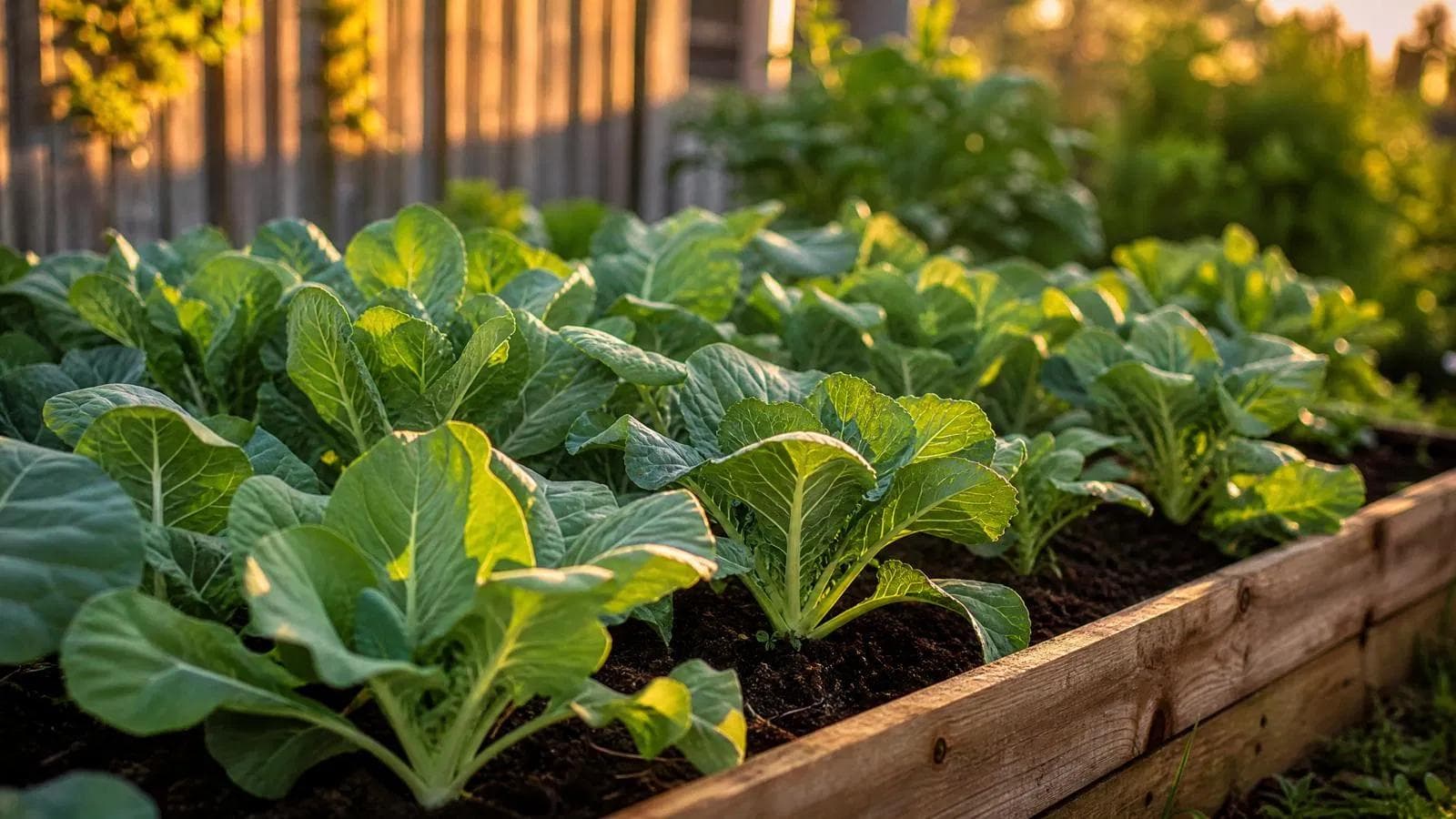
When the garden is full of tomatoes, peppers, and zucchini, it is easy to think the planting season is nearly over. But late July is the moment experienced gardeners start looking ahead. If you want crisp broccoli, dense cabbage, and tender cauliflower in autumn, this is the time to begin your fall brassicas.
Brassicas are the cool-weather workhorses of the vegetable garden. Broccoli, cauliflower, cabbage, kale, kohlrabi, and Brussels sprouts all belong to this family, and most of them taste their best after the nights begin to cool. A light frost does not usually end the season; it often makes the harvest sweeter. The key is giving plants enough time to grow before your first hard freeze.
Here is the practical master-gardener approach to growing fall brassicas from seed in the summer heat.
Why Fall Brassicas Are Worth the Effort
Spring brassicas can be wonderful, but they often race against rising temperatures. Once heat arrives, broccoli may form small heads, cauliflower can become loose, and cabbage moths seem to find every leaf. A fall crop grows in the opposite direction: seedlings establish during summer, then mature while the weather grows cooler.
That shift gives you several advantages. Cooler temperatures support tighter broccoli and cauliflower heads, steady soil moisture is easier to maintain under mulch, and many gardeners see less pressure from the worst early-summer pests. Most importantly, a properly timed fall planting lets you harvest fresh vegetables well after warm-season plants have slowed down.[1]
Work Backward From Your First Frost Date
The best time to start fall broccoli, cauliflower, and cabbage seeds depends on your local first-frost date and the variety’s days to maturity. In many temperate North American gardens, late July is a reliable seed-starting window for fall broccoli and cabbage. Cauliflower can be a little more exacting, so choose a variety recommended for fall production and give it consistently good care.[1][2]
A useful rule is to count backward from your expected first fall frost, then add time for the seedlings to grow before transplanting.
| Crop | Seedling time before transplanting | Typical garden spacing |
|---|---:|---:|
| Broccoli | 4–5 weeks | 18–24 inches |
| Cabbage | 4–6 weeks | 18–24 inches |
| Cauliflower | 4–6 weeks | 18–24 inches |
Always check the seed packet, because early and late varieties differ dramatically. If your frost comes early, favor quick-maturing broccoli and cabbage varieties. If autumn stays mild where you garden, you have more flexibility—but do not wait too long. As daylight shortens, growth slows.
Start Brassica Seeds Where You Can Control the Heat
July seed starting can be tricky because hot soil reduces germination and dries out quickly. For most home gardeners, the most dependable method is to sow fall brassica seeds indoors or in a bright, protected outdoor spot.
Fill cell trays with a clean seed-starting mix and sow seeds about 1/4 inch deep. Keep the mix evenly moist but never waterlogged. Brassica seeds generally germinate best in a relatively cool medium, so do not place the tray on a heat mat in midsummer. A cool room, basement shelf, or shaded porch is often more useful than extra warmth.[1]
Once seedlings emerge, give them strong light immediately. Leggy seedlings make weak transplants, especially when they must cope with August heat. If a sunny window is not bright enough, a simple full-spectrum LED grow-light setup can help you raise sturdy, compact plants.
Keep Summer Seedlings Stocky and Stress-Free
The goal is not simply to keep seedlings alive; it is to grow plants that are ready to take off when they reach the bed. Provide bright light for 12 to 16 hours a day, rotate trays regularly, and water from below or at soil level whenever possible. Good airflow is helpful, too. A small fan on a gentle setting strengthens stems and discourages damp conditions around the foliage.
Feed only lightly. A sterile seed-starting mix contains little nutrition, but overfeeding young brassicas can make soft, stressed growth. Once the first true leaves appear, use a diluted balanced fertilizer according to the label, or transplant into a quality potting mix if seedlings need to stay in their cells longer than expected.
A reliable seed-starting tray and humidity-dome set makes it much easier to keep moisture even while seeds are germinating. Remove the dome as soon as seedlings are up so air can circulate.
Prepare the Bed Before Transplant Day
Fall brassicas are hungry plants. Before transplanting, clear spent crops and work finished compost into the top few inches of soil. Choose a bed that receives at least six hours of sun, although a little late-afternoon shade can be helpful during extreme heat. The soil should be fertile, well drained, and able to hold moisture.
Broccoli, cabbage, and cauliflower prefer a soil pH near neutral. If you have a recent soil test, use it to guide lime and fertilizer choices rather than guessing. In the absence of a test, compost plus a balanced vegetable fertilizer applied according to its label is a sensible starting point.[2]
This is also a good time to sketch your succession plan. Use our Garden Designer to map where summer crops will finish and fall brassicas will go. A little planning prevents you from trying to squeeze large cabbage plants into a bed that is still occupied by a tangle of cucumbers.
Transplant Carefully in Late-Summer Heat
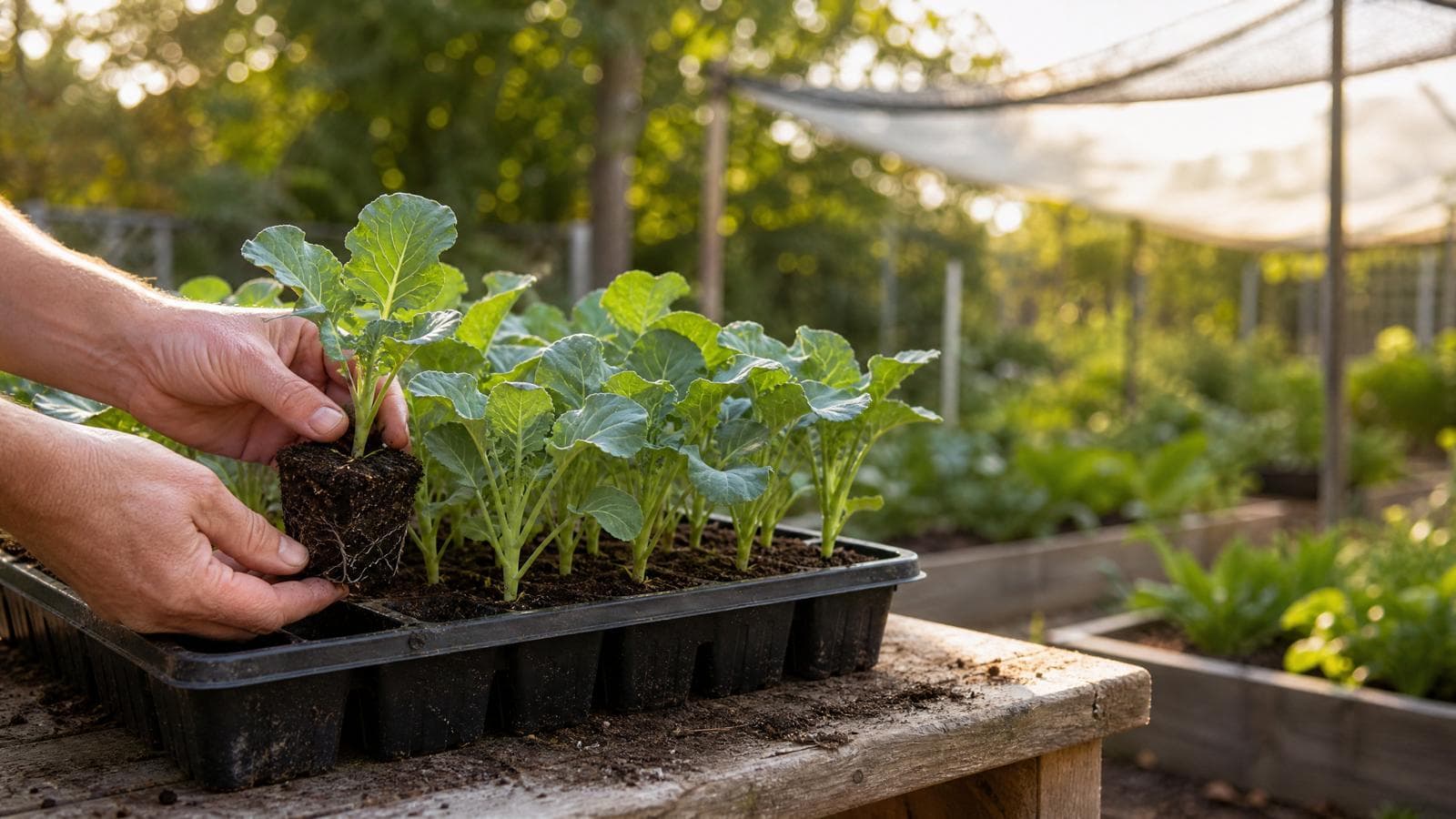
After four to six weeks, seedlings should have several true leaves and a sturdy stem. Harden them off for about a week by gradually increasing outdoor exposure. Start with morning light and a few hours outside, then extend the time each day.
Plant on a cloudy day if possible, or wait until late afternoon. Space plants generously, water deeply at planting, and mulch around them with clean straw, shredded leaves, or untreated grass clippings. Mulch cools the soil and keeps moisture from disappearing between waterings.
New transplants are especially attractive to flea beetles and cabbage worms. A lightweight garden insect barrier or row cover can protect seedlings while still allowing light and airflow. Check plants regularly under the cover, and uncover briefly during very hot weather if temperatures build up.
Give Brassicas Consistent Care Until Harvest
Brassicas reward consistency. Aim for roughly an inch of water per week from rain or irrigation, adjusting for very hot, dry conditions. Water at the soil line rather than spraying the leaves, and keep the bed weeded so young plants do not compete for water and nutrients.
Watch the undersides of leaves for cabbage-worm eggs and tiny caterpillars. Hand-picking is often enough in a small garden. For a larger infestation, products containing *Bacillus thuringiensis* var. *kurstaki* (Bt) are commonly used against caterpillars; follow the product label closely and apply only when needed.
Harvest broccoli while the buds are tight and dark green. Cut the main head with several inches of stem, then leave the plant in place: many varieties produce useful side shoots. Harvest cabbage once heads feel firm, and pick cauliflower before the curd loosens or discolors. A little autumn chill is welcome, but cover plants if a severe early freeze is forecast.[1]
Need help choosing a variety for your climate or diagnosing a pest? Ask our Garden Chat assistant. You can also visit our Shop for seeds, soil amendments, and practical garden supplies for the fall season.
References
[1]: https://extension.umn.edu/vegetables/growing-broccoli "University of Minnesota Extension: Growing broccoli in home gardens"
[2]: https://extension.umd.edu/resource/growing-cabbage-home-garden "University of Maryland Extension: Growing cabbage in a home garden"
***
FAQ
Can I direct-sow broccoli and cabbage in July?
You can, especially where late summers are not extremely hot, but indoor or protected seed starting is usually more reliable. The biggest challenges with direct sowing are hot soil, inconsistent moisture, and flea-beetle damage to tiny seedlings.
Which fall brassica is easiest for beginners?
Broccoli and cabbage are usually the most forgiving choices. Broccoli may produce a main head plus side shoots, while cabbage handles cool weather well once it is established. Cauliflower is rewarding but needs especially steady moisture and timing.
Will a light frost ruin my fall broccoli or cabbage?
Usually not. Mature broccoli and cabbage tolerate light frost well, and cool weather can improve flavor. A hard freeze can damage heads, so use a row cover or harvest what is ready if a severe cold snap is expected.
***
*As an Amazon Associate I earn from qualifying purchases.*
Ready to Design?
Upload a photo of your space and get beautiful, personalized design ideas in seconds.
Keep reading
Seasonal planting reminders and expert guides — free.