Blog
How to Start Broccoli Seeds in July for a Fall Harvest
Think your gardening season is over? Learn how to start broccoli seeds in July for a sweet, crisp, and bountiful fall harvest.
2026-07-18
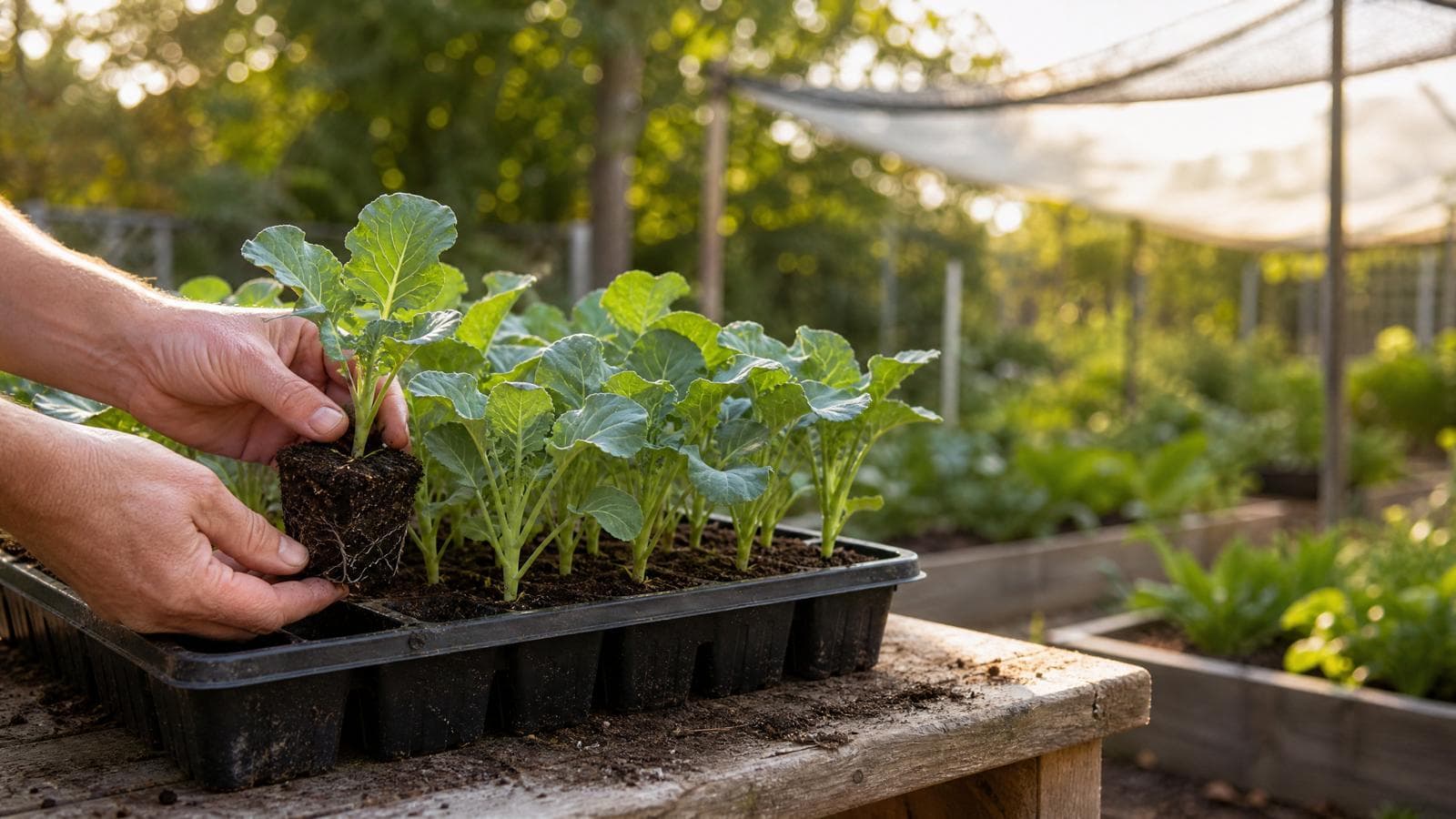
When the mid-summer heat is bearing down on your garden, it can be hard to imagine crisp autumn mornings. However, if you want a bountiful late-season garden, right now is the exact moment you need to be thinking ahead. One of the most rewarding crops you can grow in the cooler months is broccoli, but achieving that perfect harvest means learning how to start broccoli seeds in July.
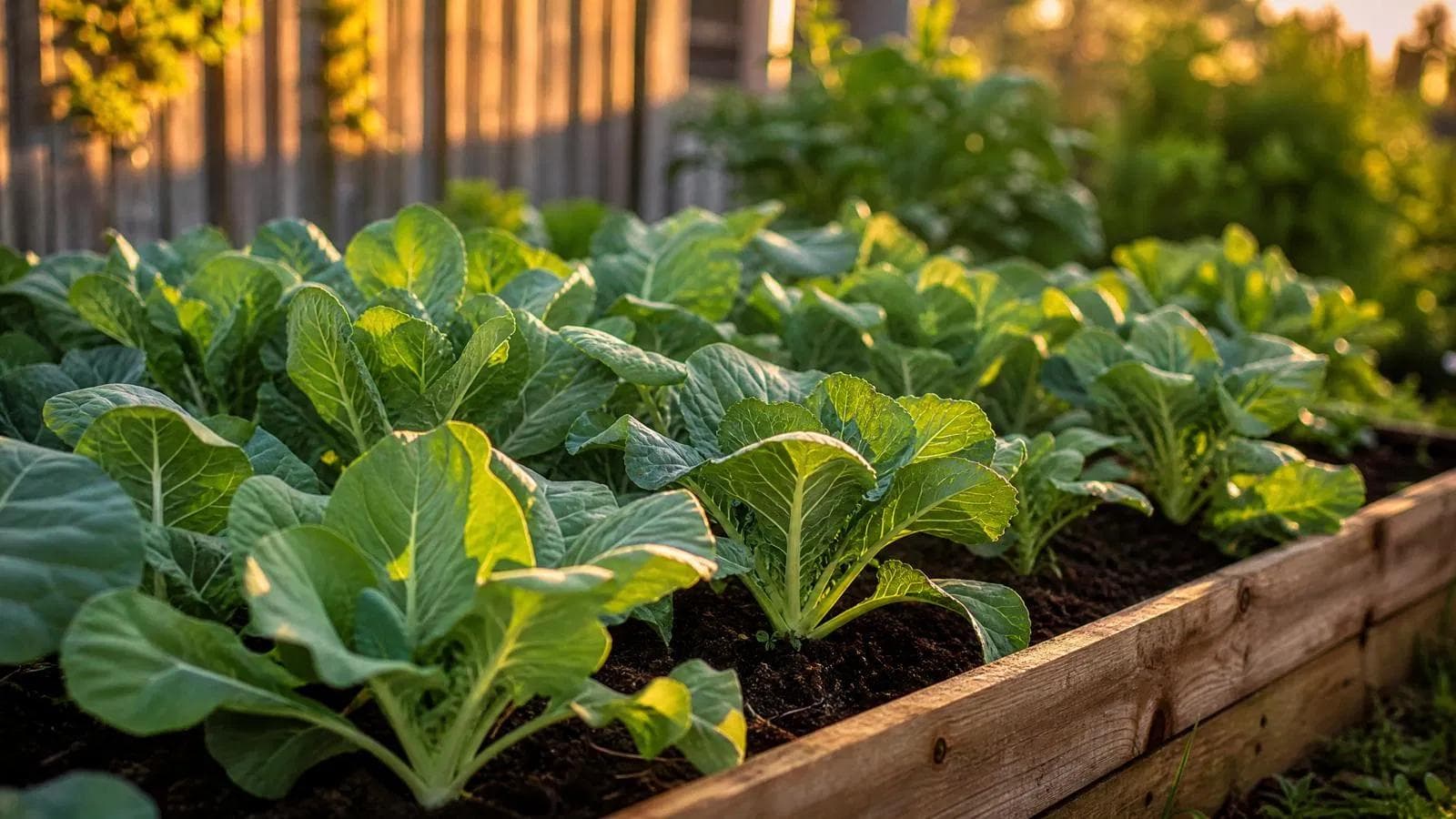
Many gardeners mistakenly believe that broccoli is strictly a spring crop. In reality, growing fall broccoli from seed often yields a sweeter, more tender harvest. When broccoli heads mature during the warm days of early summer, they can become bitter and bolt (go to seed) prematurely. When they mature during the cool days and light frosts of autumn, the plant converts its starches into sugars, resulting in an incredibly delicious crop.
Let's walk through the master gardener steps for starting your fall broccoli crop so you can enjoy fresh, homegrown florets well into the cooler months.
Timing Your Fall Broccoli Crop
The biggest secret to success is knowing when to plant broccoli for a fall harvest. You want your broccoli heads to form as the weather cools down, but the plants themselves need enough warm growing days to establish a strong, leafy foundation.
For many temperate North American gardens, July is the sweet spot: university extension guidance identifies early through late July as an appropriate window for starting a fall broccoli crop, with local first-frost dates and cultivar maturity determining the exact schedule. Plan on roughly four to five weeks to raise sturdy transplants, then consult the days-to-maturity figure on your seed packet before settling on your final sowing date.[1] [2] If you live where frost arrives very early, you may need to start in late June; where autumn stays mild, late July or even early August can be workable.
Starting Your Seeds Indoors vs. Outdoors
While you can direct-sow broccoli seeds into the garden, the intense heat, erratic watering, and heavy pest pressure of mid-summer make this a risky gamble. I highly recommend starting your seeds indoors or in a protected, shaded area outside.
Use a high-quality, sterile seed-starting mix, and sow the seeds about 1/4 to 1/2 inch deep. Broccoli seeds do not need bottom heat; keep the mix evenly moist and give emerging seedlings bright light so they develop into stocky transplants.[1]
If you need a reliable setup for your indoor seedlings, consider upgrading your lighting. A full-spectrum LED grow light makes a massive difference in producing stocky, healthy transplants. Check out this highly-rated LED grow light on Amazon to give your fall seedlings the strong start they deserve.
Managing Summer Heat and Transplants
After about four to five weeks, your seedlings should have four or five true leaves and be ready to move into the garden. This is often the trickiest part of learning how to grow broccoli in late summer heat. Your young plants are moving from a comfortable environment into the blazing August sun.
To reduce transplant shock, harden off your seedlings gradually over a week. Expose them to a few hours of morning sunlight and gentle breezes, slowly increasing their outdoor time each day. When it is time to plant, choose a cloudy day or wait until the late afternoon.
Space your transplants about 18 to 24 inches apart. Broccoli grows best in fertile, well-drained soil that holds moisture; amend the bed with finished compost and follow a soil-test recommendation or a balanced fertilizer label where appropriate. Water the transplants in deeply.[1] [2]
To protect your young plants from the intense late-summer sun, consider using a lightweight shade cloth for the first week or two. If cabbage moths and flea beetles are active in your garden, a floating row cover is an excellent defense. Choose a lightweight material, anchor it securely, and keep an eye on temperatures so it does not trap too much heat around the plants.[1] This breathable summer row cover provides a practical way to shield young plants while allowing airflow.
Care and Harvest
Broccoli needs consistent moisture to thrive. Aim for about an inch of water per week, delivered at the base of the plant to keep the leaves dry and prevent fungal diseases. Mulching around the base of your plants with clean straw or shredded leaves will help cool the soil and retain that crucial moisture.
As the days shorten and cool, your plants will begin to form their central heads. Harvest the main head while the buds are still tightly closed and dark green. If you see any yellow flowers beginning to open, cut the head immediately!
Don't pull the plant out after you harvest the main crown. Leave the stalk in the ground and continue to water it. The plant can produce smaller side shoots for additional harvests, and broccoli can continue growing after light frosts.[1] [3]
Ready to plan the rest of your fall garden layout? Head over to our Designer tool to map out your autumn beds. If you have questions about which broccoli varieties grow best in your specific climate, ask our Chat assistant for personalized recommendations. And don't forget to visit our Shop for the best organic seeds and soil amendments to get your fall garden started right.
References
[1]: https://extension.umn.edu/vegetables/growing-broccoli "University of Minnesota Extension: Growing broccoli in home gardens"
[2]: https://yardandgarden.extension.iastate.edu/how-to/growing-broccoli-home-garden "Iowa State University Extension: Growing Broccoli in the Home Garden"
[3]: https://extension.umd.edu/resource/growing-broccoli-home-garden "University of Maryland Extension: Growing Broccoli in a Home Garden"
***
FAQ
Can I grow broccoli in containers for the fall?
Yes! Broccoli grows very well in containers. Choose a pot that is at least 12 inches deep and 12 inches wide for a single plant. Ensure the container has excellent drainage and use a high-quality potting mix.
Why did my summer-planted broccoli not form a head?
Broccoli can fail to form a head (a condition sometimes called "blindness") if it experiences severe stress. The most common culprits are extreme heat waves, inconsistent watering, or being left in a small seedling pot for too long before transplanting.
Will frost kill my fall broccoli?
No, mature broccoli is quite cold-hardy. A light frost will not damage the plant and actually improves the flavor of the florets by increasing their sugar content. However, a hard, deep freeze (below 26°F) can damage the heads, so you may need to cover them if an early severe cold snap threatens.
***
*As an Amazon Associate I earn from qualifying purchases.*
Ready to Design?
Upload a photo of your space and get beautiful, personalized design ideas in seconds.
Keep reading
Seasonal planting reminders and expert guides — free.