Blog
How to Grow Pumpkins from Seed: A Late May Planting Guide
Late May is the perfect time to plant pumpkin seeds for a fall harvest. Learn how to prepare the soil, space your vines, and grow perfect pumpkins from seed.
2026-05-18
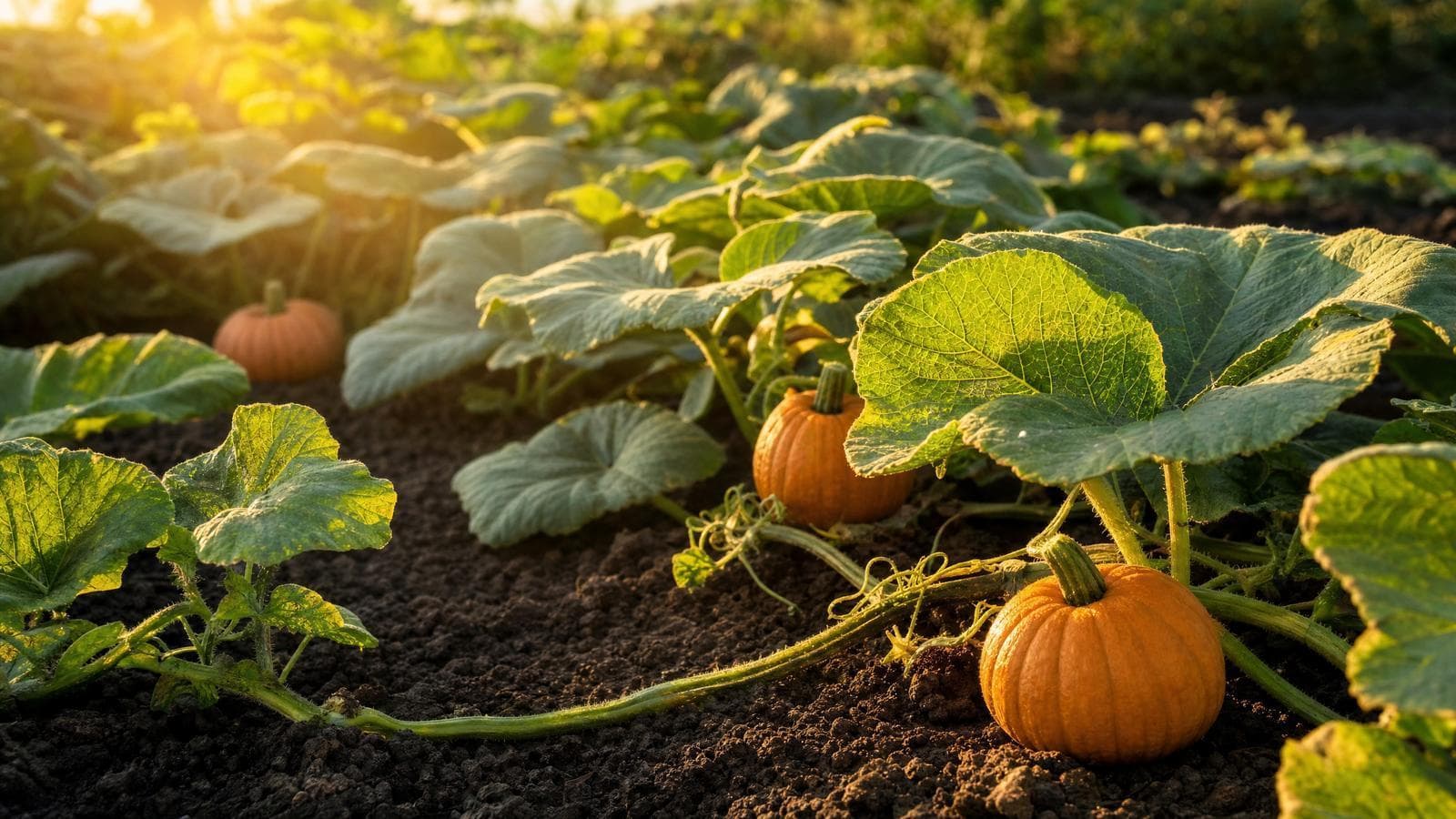
Hello, garden friends! While we are all busy planting tomatoes and peppers, it's easy to forget about the fall harvest. But if you want to have a porch full of beautiful, homegrown pumpkins by October, the time to act is right now.
Late May to early June is the sweet spot for planting pumpkin seeds in most growing zones. Pumpkins require a long, warm growing season—typically between 90 and 120 days from seed to harvest. Planting them now ensures they have plenty of time to mature before the first autumn frost hits. Let's walk through exactly how to grow pumpkins from seed, whether you want tiny decorative gourds or massive Jack-o'-lanterns.
Choosing the Right Variety
Before you put a seed in the ground, think about what you want to do with your pumpkins.
* For Carving: Look for classic varieties like 'Connecticut Field' or 'Jack-O-Lantern'.
* For Baking: You want "sugar pumpkins" or "pie pumpkins," which have dense, sweet flesh. 'Sugar Pie' or 'Cinderella' (Rouge Vif d'Etampes) are excellent choices.
* For Small Spaces: If you don't have a massive yard, look for bush or semi-bush varieties like 'Jackpot' or 'Spooktacular', which have much shorter vines.
Preparing the Soil (The Pumpkin Hill)
Pumpkins are heavy feeders and they need rich, well-draining soil. The traditional and most successful way to plant pumpkins is in "hills."
A hill isn't necessarily a huge mound of dirt; it simply means planting the seeds in a clustered group in slightly raised soil. This helps the soil warm up faster and improves drainage, which prevents the seeds from rotting.
To prepare your hill, dig a hole about a foot deep and mix in a generous amount of aged compost or well-rotted manure. Mound the soil back up so it's slightly elevated above the surrounding ground level. If you are starting a new pumpkin patch, a high-quality organic vegetable fertilizer mixed into the hill will give them a fantastic head start.
Planting the Seeds
Pumpkins absolutely hate having their roots disturbed, which is why direct sowing them into the garden in late May is vastly superior to starting them indoors in pots.
1. Wait for Warmth: Ensure the soil temperature is at least 65°F (18°C).
2. Sow the Seeds: Plant 4 to 5 seeds per hill, pushing them about 1 inch deep into the soil.
3. Spacing: This is crucial! Pumpkin vines are notorious space hogs. Standard vining varieties need hills spaced at least 5 to 6 feet apart. If you crowd them, they will compete for nutrients and air circulation will suffer, leading to powdery mildew.
4. Thinning: Once the seedlings are about 2-3 inches tall and have their first true leaves, take a pair of scissors and snip off the weakest seedlings, leaving only the 2 strongest plants per hill. *Snip* them, don't pull them, so you don't disturb the roots of the remaining plants.
Watering and Feeding
Pumpkins are made mostly of water, so consistent moisture is key, especially once they start setting fruit. They need about 1 to 1.5 inches of water per week.
Always water at the base of the plant using a soaker hose or drip irrigation if possible. Getting the massive leaves wet constantly is a guaranteed recipe for fungal diseases like powdery mildew.
Because they grow so rapidly, pumpkins benefit from a mid-season feeding. Once the vines start to run, you can side-dress them with a little more compost or a balanced organic fertilizer.
Dealing with Pests
The two biggest enemies of the pumpkin patch are squash bugs and squash vine borers.
Keep a close eye on the undersides of the leaves for the bronze-colored eggs of the squash bug and scrape them off immediately. For vine borers, you can protect the base of the young stems by wrapping them lightly in aluminum foil until the vines toughen up.
Growing pumpkins requires a bit of space and patience, but watching those tiny green orbs swell into massive orange beauties by late summer is one of the most rewarding experiences in the garden. Get those seeds in the ground this week!
---
Frequently Asked Questions (FAQ)
Q: Do I need to prune my pumpkin vines?
A: It's not strictly necessary, but many gardeners choose to pinch off the fuzzy ends of the vines after the plant has set a few good-sized pumpkins. This forces the plant to put its energy into growing the existing fruit larger, rather than producing more vines and tiny fruits that won't have time to mature.
Q: Why do my pumpkin flowers fall off without making a pumpkin?
A: Pumpkins produce male and female flowers. The male flowers appear first and will naturally fall off. The female flowers (which have a tiny bulbous swelling at their base) appear later. If female flowers are falling off, it's usually due to a lack of pollination. Try planting flowers like marigolds or zinnias nearby to attract bees.
Q: How do I know when my pumpkins are ready to harvest?
A: A pumpkin is ready when the skin has turned its final, deep color and the rind is hard enough that you cannot easily puncture it with your thumbnail. The stem should also start to look dry and woody. Always leave a few inches of stem attached when you cut them from the vine to help them store longer!
*Disclosure: As an Amazon Associate I earn from qualifying purchases.*
Ready to Design?
Upload a photo of your space and get beautiful, personalized design ideas in seconds.
Keep reading
Seasonal planting reminders and expert guides — free.