Blog
Late May Watering Techniques to Prepare Your Garden for Summer Heat
Master the art of late May watering to help your plants build deep, resilient roots before the intense summer heat arrives. A master gardener's guide to transitioning your watering schedule.
2026-05-19
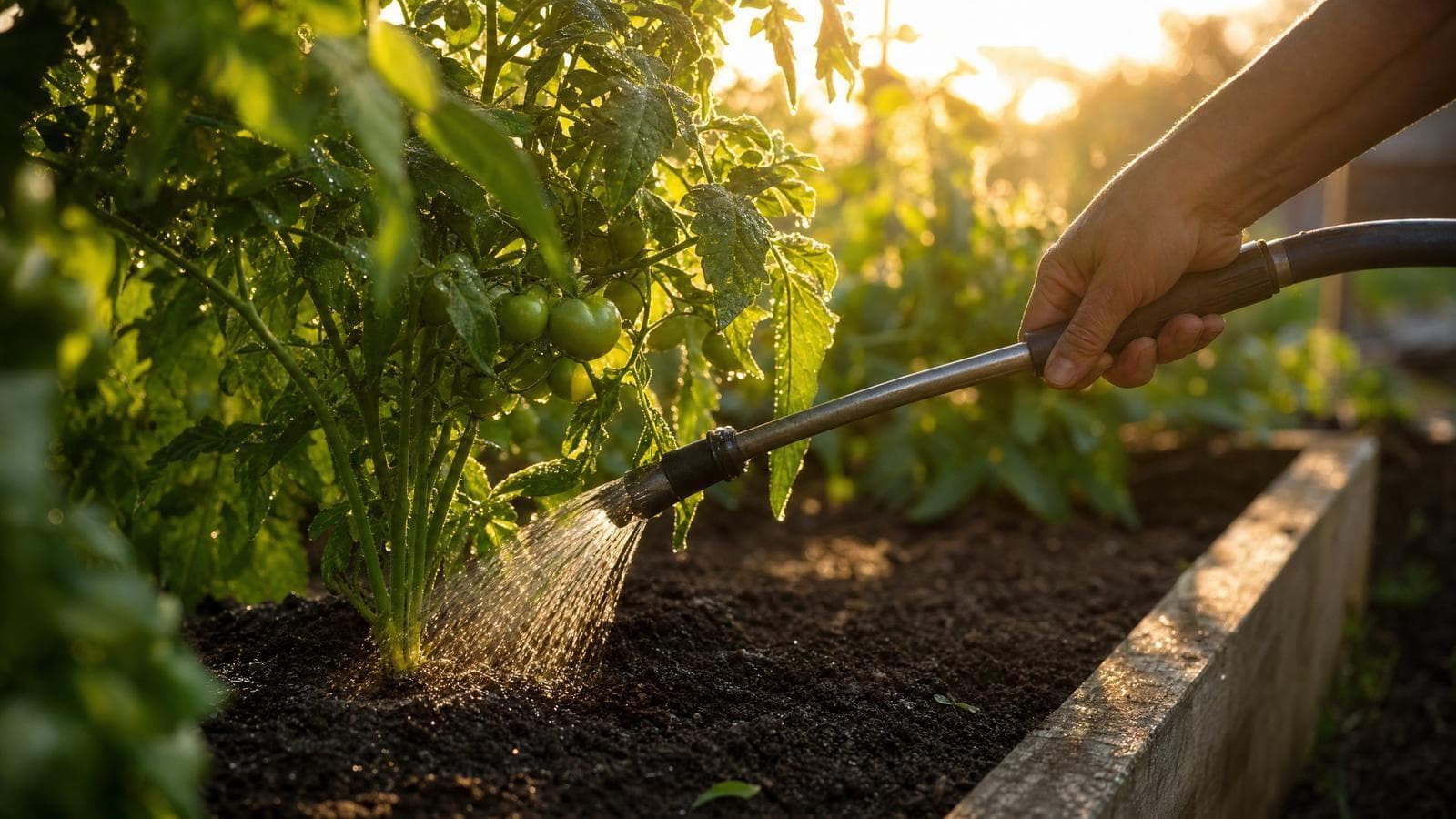
Hello, fellow garden enthusiasts! As we approach the end of May, I can almost feel the summer heat waiting just around the corner. If you're like me, you've probably spent the last few months carefully tending to seedlings and enjoying the gentle spring weather. But right now—in these crucial weeks of late May—is when we need to start preparing our gardens for the hotter, drier days ahead.
Today, I want to talk about something that often gets overlooked until it's too late: transitioning your watering habits. The way you water your plants right now will determine how well they survive the peak of summer. Let's dive into some practical, master-gardener techniques to help your garden thrive!
The Goal: Deep, Resilient Roots
In spring, it's easy to get into the habit of frequent, shallow watering. The soil is cool, and young seedlings need constant moisture near the surface. But as we move into late May, continuing this habit is actually doing your plants a disservice.
Shallow watering encourages roots to stay near the surface, where the soil dries out fastest and gets the hottest during summer. Our goal right now is to encourage those roots to dive deep into the earth, where moisture is more consistent and temperatures are cooler.
How to Transition Your Watering Schedule
1. Water Less Frequently, But More Deeply: Start stretching out the days between watering. Instead of a quick sprinkle every day, aim for a long, deep soak every few days. You want the water to penetrate at least 6 to 8 inches into the soil.
2. Water Early in the Morning: I know it can be tough to get out there early, but watering before 8 AM is crucial. It allows the water to soak in before the sun evaporates it, and it gives the plant leaves time to dry off before evening, which helps prevent fungal diseases.
3. Check the Soil Before You Water: Don't just water on a schedule. Stick your finger about two inches into the soil. If it feels dry, it's time to water. If it's still damp, wait another day.
The Power of Mulch
If you haven't mulched your garden yet, late May is the absolute perfect time to do it. Think of mulch as a protective blanket for your soil. It insulates the roots from extreme heat, suppresses weeds (which steal water from your plants!), and drastically reduces evaporation.
I highly recommend applying a 2 to 3-inch layer of organic mulch, like shredded leaves, straw, or compost. Just be sure to leave a little breathing room around the base of the stems to prevent rot.
Upgrading Your Watering System
If you're still relying entirely on a watering can or a standard hose nozzle, you might want to consider an upgrade to make deep watering easier and more efficient.
Drip Irrigation and Soaker Hoses
These are absolute game-changers for the summer garden. They deliver water directly to the base of the plants, right where the roots need it, minimizing evaporation and keeping the foliage dry.
If you're looking for a reliable setup, I often recommend starting with a basic soaker hose system. You can easily snake them through your raised beds or vegetable rows. For a durable option, check out the Gilmour Flat Weeper Soaker Hose on Amazon. It's fantastic for delivering slow, steady moisture.
Watering Wands
For containers or specific plants that need hand-watering, a good watering wand is essential. It allows you to reach the base of the plants easily without bending over, and the gentle shower setting won't wash away your soil. The Dramm Premium Touch N Flow Rain Wand is a personal favorite of mine—it feels like a gentle spring rain.
*Disclosure: As an Amazon Associate I earn from qualifying purchases.*
Plants That Need Extra Attention Now
As you adjust your watering, keep a close eye on these specific areas of your garden:
* Newly Transplanted Seedlings: If you've just put out your warm-weather crops like tomatoes or peppers, they will need slightly more frequent watering until their roots establish.
* Containers and Hanging Baskets: These dry out much faster than in-ground beds. By late May, you might need to start checking them daily.
* Leafy Greens: Crops like lettuce and spinach will bolt (go to seed) quickly if they get stressed by heat and lack of water. Keep them consistently moist to extend their harvest.
Final Thoughts from the Garden
Transitioning your watering routine in late May might feel like tough love for your plants, but I promise you, it's the best thing you can do for them. By encouraging deep roots now, you're building a resilient garden that will reward you with a bountiful harvest all summer long.
Grab your hose, check your soil, and let's get those roots growing deep! Happy gardening!
---
Frequently Asked Questions
Q: Can I water my garden in the evening instead of the morning?
A: While morning is best, evening watering is better than not watering at all if your plants are severely wilted. However, try to water at the base of the plants to keep the leaves dry overnight, which helps prevent mildew and fungal issues.
Q: How do I know if I'm watering deeply enough?
A: After a deep watering, wait about an hour and then use a trowel to dig down a few inches in the soil (careful not to disturb plant roots). The soil should feel moist at least 6 inches down.
Q: My plants look wilted in the mid-afternoon sun, should I water them immediately?
A: Not necessarily! Many plants, like squash and tomatoes, will naturally droop in the heat of the day to conserve moisture, even if the soil is wet. Check the soil first. If it's moist, wait until evening; the plants will likely perk back up as the sun goes down.
Q: Does mulch attract pests?
A: Organic mulches can sometimes provide hiding spots for pests like slugs. However, the benefits of moisture retention and weed suppression usually far outweigh the risks. If you have a severe slug problem, you might want to use a thinner layer of mulch and employ organic slug traps.
Ready to Design?
Upload a photo of your space and get beautiful, personalized design ideas in seconds.
Keep reading
Seasonal planting reminders and expert guides — free.