Blog
Late May Succession Planting: The Secret to a Continuous Summer Harvest
Don't let your garden sit empty! Learn how to use succession planting in late May to guarantee a steady supply of fresh vegetables all summer long. A friendly guide to maximizing your garden space.
2026-05-19
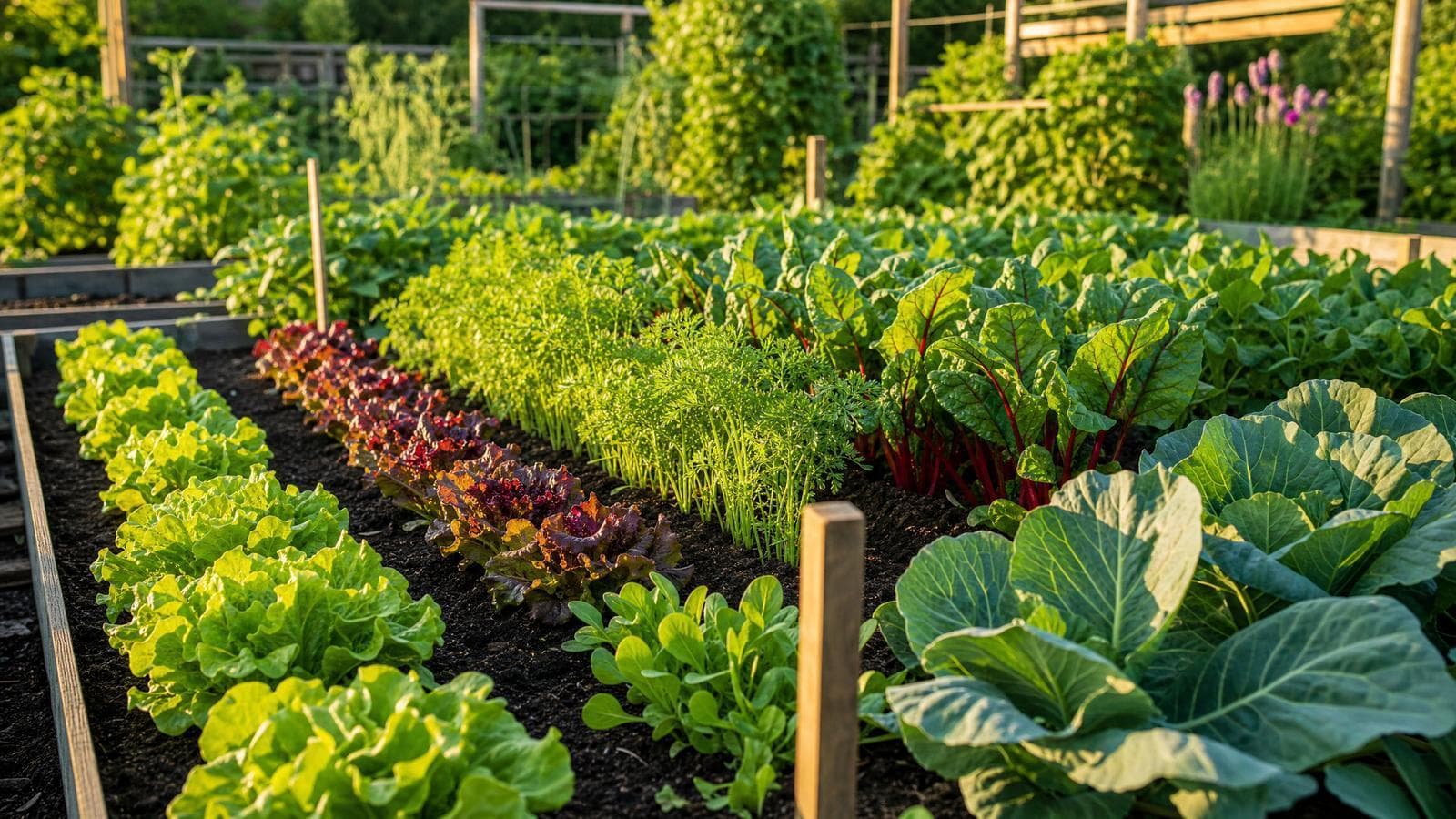
Hello, gardening friends! We are officially in the beautiful stretch of late May. The soil is finally warm, the threat of frost is behind most of us, and the garden is bursting with that fresh, vibrant green energy. It's an exciting time!
Many of us spend early spring furiously planting, and then by late May, we sit back and think, "Okay, the garden is planted. Now we wait." But let me share a little master gardener secret with you: if you want a garden that produces constantly from mid-summer right up until the first frost, your planting season is far from over.
Today, we're talking about succession planting—the simple strategy that keeps your harvest rolling in, week after week.
What is Succession Planting?
At its core, succession planting just means staggering your plantings rather than putting all your seeds or seedlings in the ground on the exact same day.
Think about radishes or bush beans. If you plant a whole row of them on May 1st, they will all mature at the exact same time. You'll have more beans than you can possibly eat in a week, and then... no more beans for the rest of the summer.
By succession planting, you sow a small amount every two to three weeks. This ensures a manageable, continuous harvest instead of an overwhelming glut followed by a famine.
Late May: The Perfect Time for the Second Wave
Late May is the ideal time to start your second (or even third!) wave of fast-growing summer crops. Here are some of the best vegetables to focus on right now:
1. Bush Beans
Bush beans are the absolute champions of succession planting. They grow quickly and produce heavily over a short period. If you planted your first batch in early May, get your second batch in the ground now. Keep sowing a new short row every 2-3 weeks until mid-summer.
2. Carrots and Beets
While we often think of these as spring or fall crops, you can absolutely keep planting them now for summer harvests. The trick in late May is to make sure the soil stays consistently moist until the seeds germinate, which can be tricky as the weather warms up.
3. Summer Squash and Zucchini
Wait, plant *more* zucchini? Hear me out! Summer squash plants often succumb to powdery mildew or squash vine borers by mid-to-late summer. By planting a second round of seeds in late May or early June, you'll have fresh, vigorous plants ready to take over just as your first plants start to look tired.
4. Heat-Tolerant Greens
Standard spinach and lettuce will likely bolt (go to seed) soon. Now is the time to succession plant heat-tolerant alternatives like Swiss chard, New Zealand spinach, or Malabar spinach to keep your salad bowl full.
Tips for Successful Late May Sowing
Planting seeds now is a bit different than planting in the cool, damp days of early spring. The sun is stronger, and the soil dries out much faster.
* Pre-Soak Your Seeds: For larger seeds like beans or squash, soaking them in water for a few hours before planting can speed up germination significantly in warm soil.
* Keep the Seedbed Moist: This is the most critical step! Seeds need consistent moisture to sprout. You may need to lightly water your newly seeded areas twice a day until you see little green shoots emerge.
* Provide Temporary Shade: If a sudden heatwave hits right after you plant, provide a little temporary shade using a piece of cardboard or shade cloth to protect the delicate emerging seedlings.
Essential Tools for the Job
To make succession planting easier, organization is key. You need to know what you planted, where, and when.
I always keep a dedicated garden journal to track my sowing dates. It doesn't have to be fancy! But if you want to keep your seeds organized and protected from moisture, a good seed storage box is invaluable. I really like the Photo and Craft Keeper Boxes on Amazon; the individual inner cases are perfect for sorting seed packets by planting month.
Also, don't forget to label your new plantings! It's easy to forget where you tucked those new carrot seeds. Simple wooden markers or a good set of Metal Plant Labels will save you a lot of guesswork later.
*Disclosure: As an Amazon Associate I earn from qualifying purchases.*
Keep the Garden Growing!
Don't let empty spaces sit idle in your garden this summer. As soon as you harvest an early crop like radishes or spring lettuce, prep the soil with a little compost and drop in some new seeds.
Succession planting is a simple habit to build, and the reward is a beautiful, productive garden that feeds you all season long. Get out there and plant that second wave!
---
Frequently Asked Questions
Q: Is it too late to plant tomatoes or peppers in late May?
A: Not at all! In most zones, late May is actually the perfect time to transplant tomato and pepper seedlings into the garden, as the soil is finally warm enough. However, it is generally too late to start them from seed; you'll want to buy established seedlings from a local nursery.
Q: How do I know when to plant the next succession?
A: A good rule of thumb is to plant the next batch when the previous batch has germinated and has its first set of true leaves. For fast growers like radishes, that might be every 10 days; for beans, every 2-3 weeks.
Q: What if I run out of space?
A: Look for gaps! You can tuck fast-growing crops like bush beans or radishes between slower-growing plants like tomatoes or peppers. By the time the larger plants need the space, the quick crops will already be harvested.
Q: Do I need to add fertilizer before planting a second crop in the same spot?
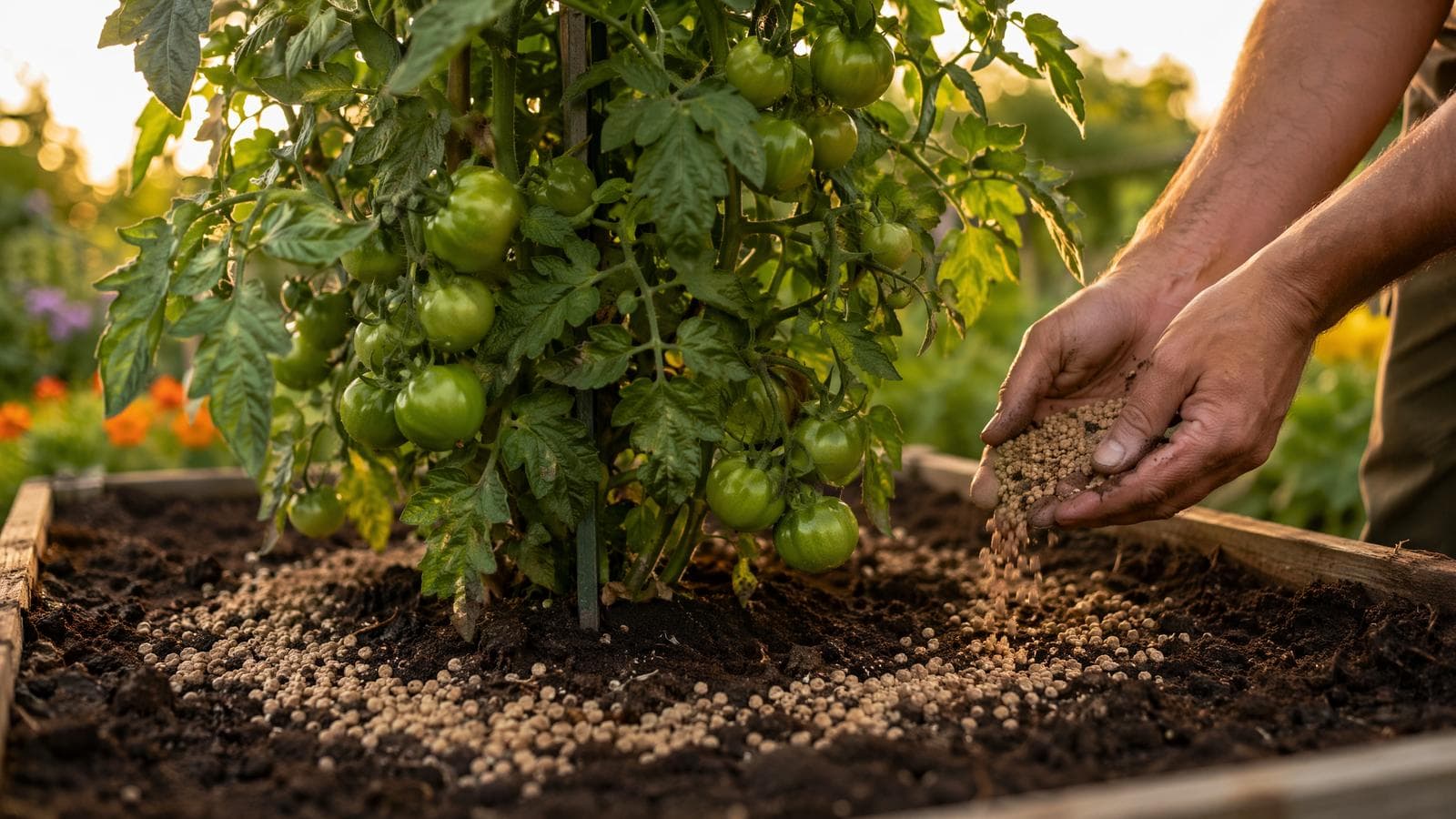
A: Yes, it's a good idea to replenish the soil. Work an inch or two of fresh compost or a balanced organic granular fertilizer into the soil before sowing your new seeds.
Ready to Design?
Upload a photo of your space and get beautiful, personalized design ideas in seconds.
Keep reading
Seasonal planting reminders and expert guides — free.