Blog
How to Grow Eggplant: A Late May Planting Guide for a Bumper Summer Harvest
Eggplant is one of the most rewarding summer vegetables you can grow. Learn how to plant, care for, and harvest beautiful eggplant this season with this friendly master gardener guide.
2026-05-20
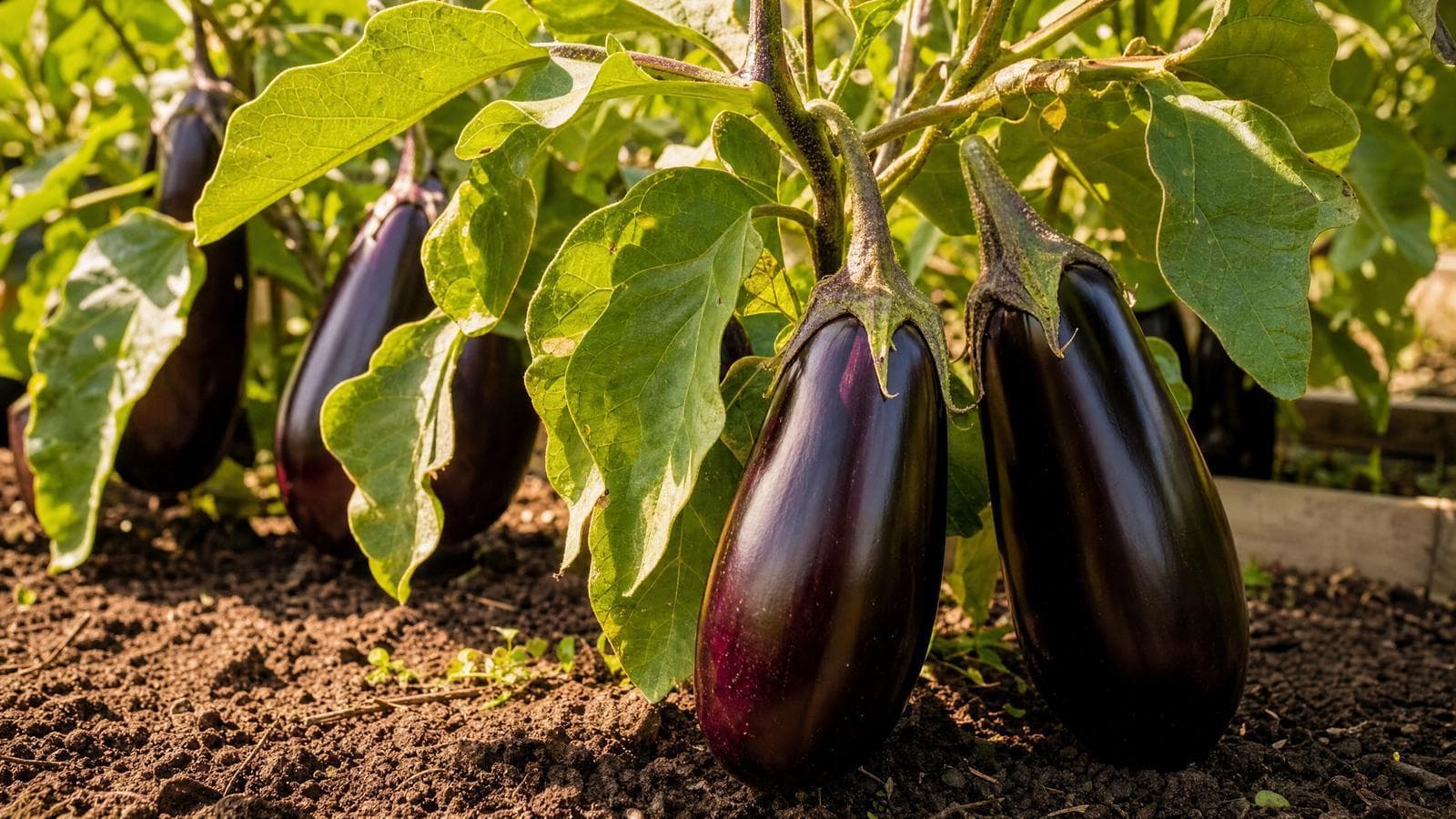
Hello, fellow garden friends! If there is one vegetable that I think is seriously underrated in the home garden, it's eggplant. With their gorgeous glossy purple skin, beautiful star-shaped flowers, and incredible versatility in the kitchen, eggplants deserve a spot in every summer garden. And right now—in late May—is the perfect time to get them in the ground.
Today, I want to walk you through everything you need to know to grow eggplant successfully, from choosing the right variety to harvesting at peak perfection. Let's dive in!
Why Late May is the Sweet Spot for Eggplant
Eggplant is a true heat lover. It's a member of the nightshade family (along with tomatoes and peppers), and it absolutely refuses to thrive in cool conditions. Unlike tomatoes, which can tolerate a bit of a chill, eggplant will simply sulk and stall if the soil temperature is below 60°F.
By late May, most of the country has soil temperatures well into the 65–75°F range—which is exactly what eggplant wants. Planting now gives your eggplant the long, warm growing season it needs to produce a generous harvest before the first fall frost.
Choosing the Right Eggplant Variety
One of the most fun parts of growing eggplant is the sheer variety available. Here are a few of my favorites:
| Variety | Size | Best For |
|---|---|---|
| Black Beauty | Large, classic oval | Grilling, baking, eggplant parmesan |
| Ichiban | Long, slender Japanese type | Stir-fries, quick cooking |
| Fairy Tale | Small, striped purple-white | Container growing, snacking |
| Rosa Bianca | Round, creamy white-lavender | Mild flavor, stuffed eggplant |
If you are growing in containers, the Fairy Tale and Patio Baby varieties are compact and incredibly productive in pots.
Planting Your Eggplant Transplants
At this point in the season, I strongly recommend buying transplants from a nursery rather than starting from seed. Eggplant has a long growing season (70–85 days to maturity), so transplants give you a significant head start.
Choosing a Location
Eggplant needs full sun—at least 6 to 8 hours of direct sunlight per day. It also loves warmth, so a south-facing bed or a spot near a wall that absorbs heat is ideal. Good air circulation is important to prevent fungal diseases.
Soil Preparation
Eggplant is a heavy feeder. Before planting, work in a generous amount of compost and a balanced vegetable fertilizer. I like to add a slow-release granular fertilizer at planting time to give the roots a steady supply of nutrients throughout the season.
Spacing
Give each eggplant plant plenty of room to grow. Space transplants 18 to 24 inches apart in rows that are 30 inches apart. Crowding leads to poor air circulation and reduced yields.
Planting Depth
Unlike tomatoes, you should plant eggplant at the same depth it was growing in its pot. Don't bury the stem.
Caring for Your Eggplant All Summer Long
Once your eggplant is in the ground, consistent care is key to a big harvest.
Watering
Eggplant needs consistent, deep watering—about 1 to 2 inches per week. Inconsistent watering leads to bitter fruit and blossom drop. A drip irrigation system or soaker hose is ideal for keeping the soil evenly moist without wetting the leaves.
Fertilizing
Feed your eggplant every 3 to 4 weeks with a balanced vegetable fertilizer. Once the plants start flowering, switch to a fertilizer that is slightly lower in nitrogen and higher in phosphorus and potassium to encourage fruit set rather than leafy growth.
Staking
Eggplant plants can get quite large and heavy with fruit. I always stake mine early—before they need it—to avoid disturbing the roots later. A simple wooden stake and some soft plant ties work perfectly.
Pest Watch
The main pest to watch for on eggplant is the flea beetle, a tiny jumping insect that chews small holes in the leaves. Row cover fabric placed over young transplants is the best defense. You can remove it once the plants are large and established.
Harvesting Eggplant at the Perfect Moment
This is where many gardeners go wrong! Eggplant is best harvested young and firm. The skin should be glossy and taut. If the skin looks dull or the seeds inside are brown and hard, the eggplant is overripe and will taste bitter.
As a rule of thumb, harvest when the fruit is about two-thirds of its expected mature size. Regular harvesting also encourages the plant to keep producing more fruit throughout the summer.
*As an Amazon Associate I earn from qualifying purchases.* To get started, grab some great eggplant transplants or seeds and a good slow-release vegetable fertilizer to give your plants the best possible start.
Happy growing, and I hope your eggplant harvest is absolutely spectacular this summer!
---
Frequently Asked Questions
Q: Can I grow eggplant in a container?
A: Absolutely! Choose a compact variety like Fairy Tale or Patio Baby, and use a large container (at least 5 gallons). Make sure it has good drainage and water consistently, as containers dry out faster than garden beds.
Q: Why are my eggplant flowers falling off without producing fruit?
A: Blossom drop is usually caused by temperature stress (nights below 55°F or days above 95°F), inconsistent watering, or lack of pollination. Try gently shaking the plant on warm days to help distribute pollen.
Q: How many eggplants will one plant produce?
A: A healthy, well-cared-for eggplant plant can produce anywhere from 4 to 6 large fruits or 10 to 15 smaller fruits over the course of the summer. Regular harvesting is key to maximizing production.
Q: Do eggplants need a lot of fertilizer?
A: Yes, eggplants are heavy feeders. A consistent fertilizing schedule throughout the growing season is important for strong growth and a generous harvest.
Ready to Design?
Upload a photo of your space and get beautiful, personalized design ideas in seconds.
Keep reading
Seasonal planting reminders and expert guides — free.