Blog
How to Build Simple DIY Shade Structures to Protect Your Summer Garden
Protect your delicate vegetables from intense summer heat with these easy, affordable DIY shade structures. A master gardener's guide to summer garden survival.
2026-05-21
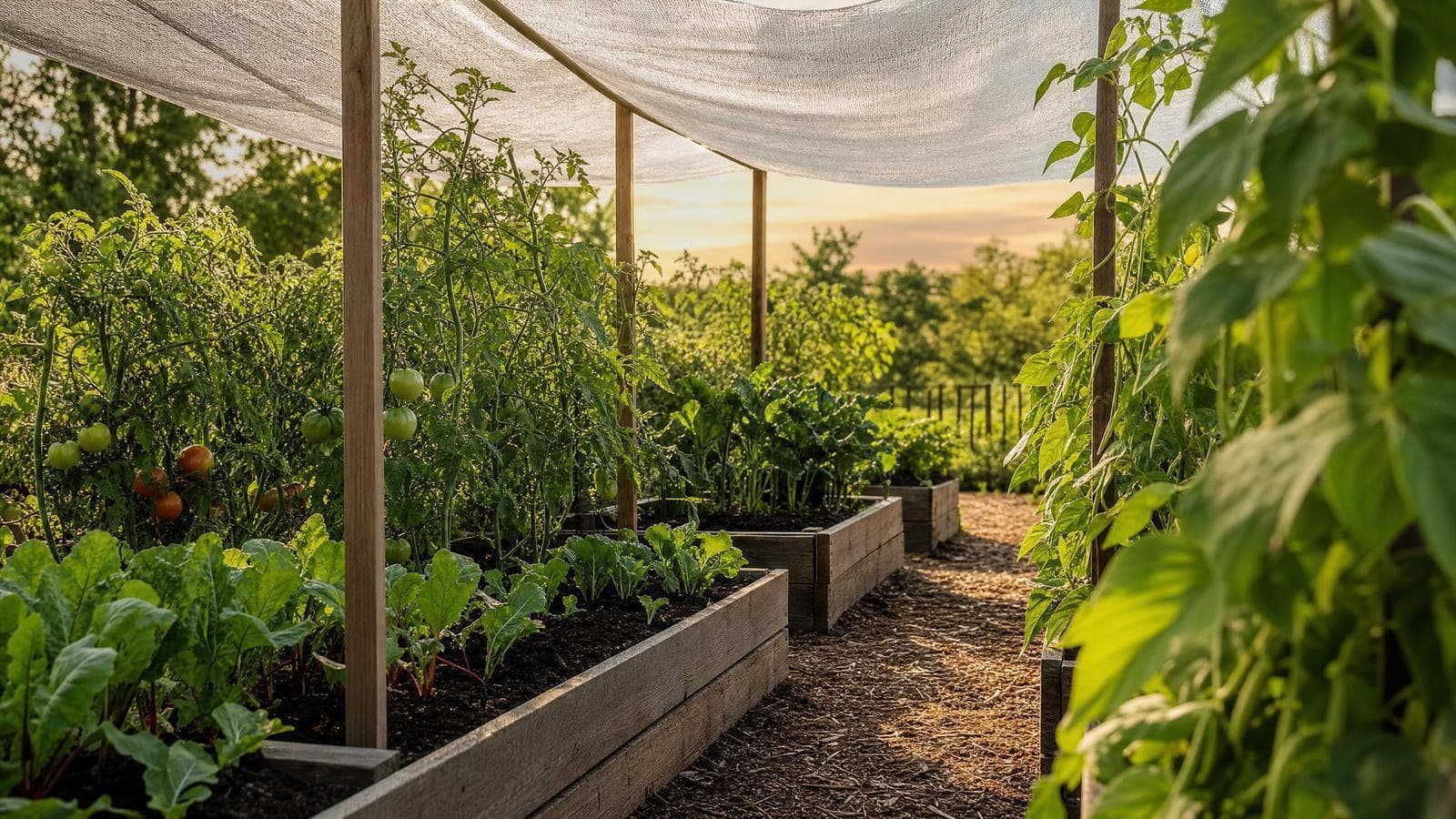
Hello, gardening friends! As we transition into the hot summer months, many of us start worrying about how our gardens will handle the intense midday sun. While tomatoes and peppers love the heat, a sudden heatwave can cause blossom drop, sunscald, and severe stress for even the toughest plants.
Today, I want to share a simple, affordable solution that has saved my garden more times than I can count: DIY shade structures. By providing just a little bit of relief during the hottest part of the day, you can keep your garden producing right through the dog days of summer.
Why Use Shade Cloth?
It might seem counterintuitive to shade a vegetable garden—after all, don't plants need sun to grow? Yes, but there is a limit! When temperatures climb above 90°F (32°C), many plants stop photosynthesizing and go into survival mode. Shade cloth helps by:
1. Lowering the ambient temperature: A good shade structure can drop the temperature around your plants by 10 to 15 degrees.
2. Preventing sunscald: Direct, intense sunlight can literally sunburn your vegetables, especially peppers and tomatoes.
3. Reducing water evaporation: Shaded soil stays moist longer, reducing the need for constant watering.
How to Build a Simple Hoop Shade Structure
This is my favorite method for raised beds because it is cheap, easy to assemble, and can be taken down in minutes.
Materials Needed:
* 1/2-inch PVC pipes (10-foot lengths)
* Rebar or wooden stakes (2-foot lengths)
* Shade cloth (I recommend 30% to 40% shade for vegetables)
* Zip ties or specialized shade cloth clips
I highly recommend this Agfabric 30% Sunblock Shade Cloth on Amazon. It’s durable, lets the perfect amount of light through, and lasts for years.
Step-by-Step Instructions:
1. Drive the stakes: Drive your rebar or wooden stakes into the ground on the inside corners of your raised bed. If you have a long bed, place a stake every 4 feet along the sides. Leave about 6 inches of the stake exposed above the soil.
2. Bend the hoops: Take a piece of PVC pipe and slide one end over a stake on the left side of the bed. Carefully bend the pipe into an arch and slide the other end over the corresponding stake on the right side. Repeat for all stakes.
3. Drape the cloth: Unroll your shade cloth and drape it over the PVC hoops.
4. Secure the cloth: Use zip ties or clips to secure the shade cloth to the PVC pipes. Make sure it is pulled taut so it doesn't flap around in the wind.
The "Quick Fix" T-Post Method
If you need shade *right now* and don't have time to build hoops, try this method. Drive four tall T-posts into the corners of your garden bed. Drape the shade cloth over the top of the posts and secure it with heavy-duty zip ties. It creates a simple, flat canopy that works perfectly for shorter crops like lettuce or bush beans.
Frequently Asked Questions
Q: What percentage of shade cloth should I use for vegetables?
A: For most vegetable gardens, 30% to 40% shade is ideal. It blocks the harshest rays while still allowing enough light for photosynthesis. Higher percentages (like 70% or 90%) are better for patios or people, not plants.
Q: Do I leave the shade cloth on all day?
A: You can, but it's best to position your structure so that the plants get morning sun and are shaded from the intense afternoon sun (usually from 12 PM to 4 PM).
Q: Can I use old bedsheets instead of shade cloth?
A: In an absolute emergency, yes. However, bedsheets don't breathe well and can trap heat underneath them. True shade cloth is woven to allow hot air to escape through the top.
Stay cool out there, and keep those gardens growing!
*Disclosure: As an Amazon Associate I earn from qualifying purchases.*
Ready to Design?
Upload a photo of your space and get beautiful, personalized design ideas in seconds.
Keep reading
Seasonal planting reminders and expert guides — free.