Blog
The Best Organic Soil Amendments for a Mid-Summer Vegetable Boost
Give your summer vegetables the nutrients they need to produce a massive harvest. A master gardener's guide to organic mid-season soil amendments.
2026-05-21
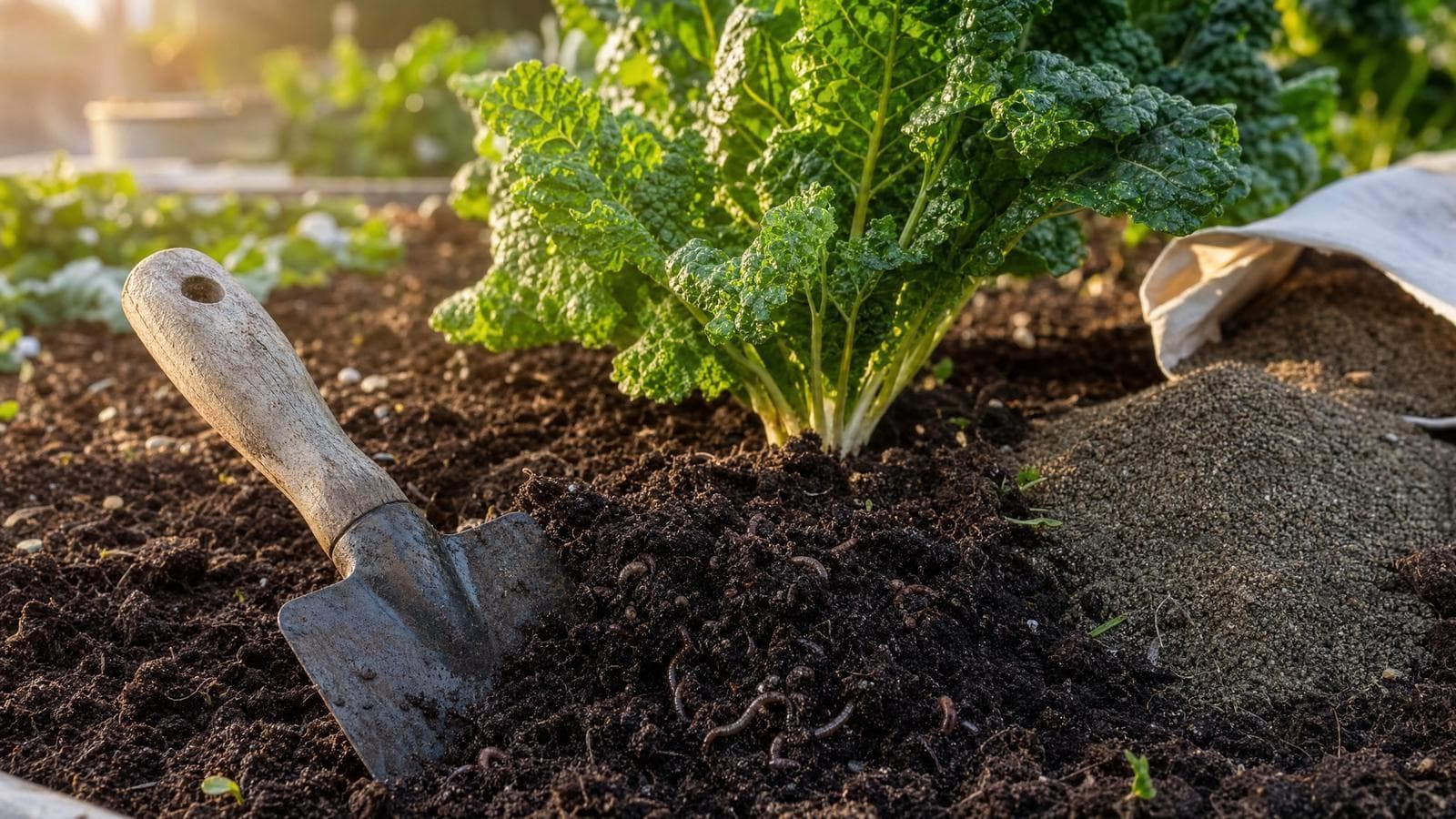
Hello, gardening friends! We are officially heading into the busy summer season. If you planted your garden back in April or early May, your plants have been working hard. They've grown roots, put out leaves, and are probably starting to set flowers and fruit. But all that hard work takes a lot of energy, and by now, the nutrients in your soil might be running low.
To get that massive, continuous harvest we all dream of, it's time for a mid-summer boost. Today, I'm sharing my favorite organic soil amendments to keep your vegetable garden thriving through the hottest months.
Why Mid-Season Feeding is Crucial
When we prep our beds in the spring, we usually add a slow-release fertilizer or compost. That's a great start! But heavy feeders like tomatoes, peppers, cucumbers, and squash will quickly use up those initial nutrients. If you don't replenish the soil, you might notice yellowing leaves, stunted growth, or a sudden drop in fruit production.
We want to feed the soil so the soil can feed the plants. Here are the best organic options to do just that.
1. Worm Castings (Nature's Perfect Fertilizer)
If I could only choose one soil amendment for the rest of my life, it would be worm castings. This is essentially worm manure, and it is pure magic for your garden. It is packed with beneficial microbes, minerals, and a gentle dose of nitrogen that won't burn your plants.
I love to side-dress my tomatoes and peppers with a handful of worm castings every few weeks. Just sprinkle it around the base of the plant and gently scratch it into the top inch of soil. If you don't have your own worm bin, I highly recommend Wiggle Worm Soil Builder on Amazon. It's top-quality stuff!
2. Kelp Meal (The Root Builder)
Kelp meal is dried, ground seaweed. While it doesn't have huge amounts of nitrogen, phosphorus, or potassium (the N-P-K you see on fertilizer bags), it is absolutely loaded with micronutrients and growth hormones.
Adding kelp meal helps plants develop massive, strong root systems. And a plant with a deep root system is much better equipped to handle the stress of a summer heatwave. I like to brew a "kelp tea" by soaking a cup of kelp meal in a 5-gallon bucket of water for a few days, then using it as a liquid feed.
3. Bone Meal (For Better Blooms)
If your plants are growing lots of lush green leaves but aren't producing many flowers (and therefore, no fruit), they might need phosphorus. Bone meal is an excellent organic source of phosphorus.
It takes a little while to break down in the soil, so it's best applied right as you see the first flower buds forming. Sprinkle a few tablespoons around the drip line of your fruiting plants to encourage strong, healthy blossoms.
4. High-Quality Compost
Never underestimate the power of good old-fashioned compost. A one-inch layer of compost spread over the surface of your garden beds acts as a slow-release fertilizer, a mulch to retain moisture, and a way to introduce millions of beneficial microorganisms into your soil.
How to Apply Mid-Season Amendments
The safest way to apply dry organic fertilizers during the growing season is a technique called "side-dressing."
1. Identify the "drip line" of your plant (the imaginary circle on the ground directly beneath the outermost leaves).
2. Sprinkle your chosen amendment in a ring around the drip line. Do not pile it directly against the stem of the plant.
3. Gently scratch the amendment into the top half-inch of soil using a hand cultivator.
4. Water the area deeply to help the nutrients begin breaking down and moving toward the roots.
Frequently Asked Questions
Q: Can I use synthetic liquid fertilizers instead?
A: You can, but synthetic fertilizers are like a sugar rush for your plants. They provide a quick burst of green growth but do nothing to improve the long-term health of your soil. Organic amendments build the soil ecosystem for lasting results.
Q: How often should I side-dress my vegetables?
A: For heavy feeders like tomatoes and squash, a light side-dressing every 3 to 4 weeks during the peak fruiting season is ideal.
Q: Will bone meal attract animals to my garden?
A: Sometimes, the smell of bone meal can attract dogs, raccoons, or skunks who want to dig in the dirt. If this is a problem in your yard, make sure to scratch the bone meal deeply into the soil and water it in well to mask the scent.
Keep feeding that soil, and your garden will reward you!
*Disclosure: As an Amazon Associate I earn from qualifying purchases.*
Ready to Design?
Upload a photo of your space and get beautiful, personalized design ideas in seconds.
Keep reading
Seasonal planting reminders and expert guides — free.