Blog
Late May Herb Harvesting: Maximizing Flavor Before the Summer Heat
Learn the master gardener secrets for harvesting herbs in late May. Discover the best times of day, proper pruning techniques, and how to maximize flavor before the intense summer heat causes bolting.
2026-05-22
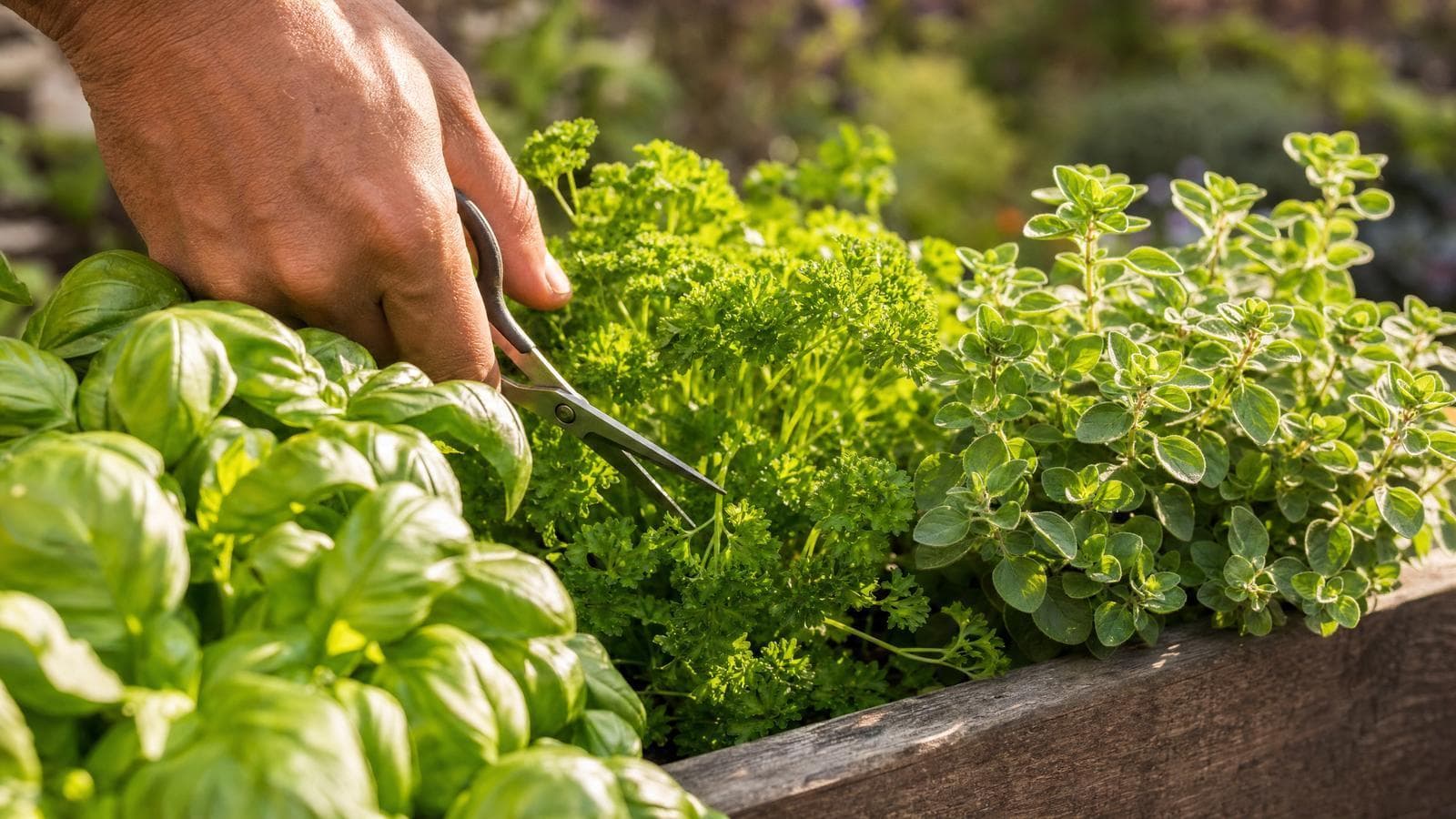
Hello, gardening friends! If you walk past your herb garden in late May, you're likely greeted by an incredible wave of fragrance. This time of year, right before the intense summer heat sets in, is the absolute peak season for many of our favorite culinary herbs. They are lush, vibrant, and bursting with essential oils.
However, late May is also a critical turning point. As temperatures rise, many cool-weather herbs like cilantro, dill, and parsley will begin to "bolt" (go to seed), which drastically changes their flavor, often making them bitter. Even heat-loving herbs like basil and mint benefit from strategic harvesting right now to encourage bushier, healthier growth all summer long.
Today, let's talk about the best master gardener techniques for harvesting your herbs right now to capture their maximum flavor and keep your plants productive.
The Golden Rule: Timing is Everything
When it comes to harvesting herbs, *when* you cut is just as important as *how* you cut.
The essential oils—which give herbs their signature flavor and aroma—are highly volatile. They are strongest in the morning, right after the dew has dried but before the hot midday sun has a chance to evaporate them.
Always aim to harvest your herbs between 8:00 AM and 10:00 AM.
If you wait until the late afternoon, the heat of the day will have drawn the oils down into the stems and roots, leaving the leaves less flavorful. Plus, cutting a plant during the hottest part of the day causes unnecessary stress.
Technique 1: The "Pinch and Prune" for Bushy Growth
For herbs like basil, mint, oregano, and thyme, harvesting is actually a form of pruning that benefits the plant. If you let these herbs grow straight up, they will become tall, leggy, and eventually flower. Once they flower, leaf production slows down significantly.
The goal is to encourage lateral (side) growth, creating a bushy, robust plant.
How to do it: Don't just pull off individual leaves. Instead, look down the stem and find a node (the point where two small leaves are sprouting out from the main stem). Using clean, sharp garden snips, cut the main stem just above that node.
Those two tiny leaves will now grow into two new branches! By consistently harvesting this way, you double the plant's yield every time you cut.
Technique 2: The "Cut and Come Again" for Leafy Greens
For herbs that grow from a central rosette, like parsley, cilantro, and chives, the technique is a bit different. You don't want to cut the central growing point, or you might stunt the plant.
How to do it: Always harvest from the outside in. Take the oldest, largest leaves from the outer edge of the plant, cutting the stem all the way down to the base (about an inch above the soil line). Leave the new, smaller growth in the center of the plant intact so it can continue to mature.
Never take more than one-third of the plant at a single time, so it has enough foliage left to photosynthesize and recover.
Managing the "Bolters": Cilantro and Dill
Late May is notoriously difficult for cilantro and dill. At the first sign of consistent heat, they will send up a tall central stalk and begin to flower.
Once you see that thick central stalk forming, the clock is ticking. Harvest as much of the foliage as you can use or preserve immediately. You can try to pinch off the flowers to buy yourself a few more days, but the plant is nearing the end of its life cycle.
*Master Gardener Tip:* Don't pull the plants out right away! Let a few of them flower. The tiny blossoms of dill and cilantro are absolute magnets for beneficial insects like parasitic wasps and ladybugs, which will help control aphids in your summer garden. Later, you can harvest the coriander seeds from the cilantro plant!
Essential Tools for Clean Cuts
Clean cuts are vital for plant health. Tearing or ripping stems damages the plant tissue and opens the door for disease.
I highly recommend keeping a dedicated pair of sharp, precision snips just for your herbs. The Fiskars Micro-Tip Pruning Snips are my absolute favorite. They are spring-loaded, incredibly sharp, and perfect for getting into tight spaces without damaging surrounding stems.
If you are harvesting woody herbs like mature rosemary or sage, you might need something slightly more robust, like the Felco F-2 Classic Manual Hand Pruner.
*(As an Amazon Associate I earn from qualifying purchases.)*
Frequently Asked Questions
Q: Should I wash my herbs immediately after harvesting?
A: If you are going to use them fresh that day, a quick rinse under cool water is fine. However, if you plan to store them in the fridge or dry them, do not wash them until right before use. Excess moisture on stored herbs leads to rapid rotting and mold.
Q: How should I store fresh herbs to make them last longer?
A: Treat soft herbs (basil, cilantro, parsley) like a bouquet of flowers. Snip the ends and place them in a glass with an inch of water. Keep basil on the counter at room temperature (the fridge turns it black), but put cilantro and parsley in the fridge with a plastic bag loosely tented over the top. Woody herbs (rosemary, thyme) can be wrapped loosely in a slightly damp paper towel and kept in the crisper drawer.
Q: Can I freeze my late May herb harvest?
A: Absolutely! Freezing is often better than drying for preserving the bright flavor of soft herbs like basil and cilantro. Chop them finely, pack them into ice cube trays, cover them with olive oil or water, and freeze. You can pop these flavor cubes directly into soups, stews, and sauces all winter long.
Don't let the approaching summer heat steal the flavor of your beautiful spring herbs. Get out there tomorrow morning with your snips and start harvesting! Your kitchen (and your plants) will thank you.
Happy gardening!
Ready to Design?
Upload a photo of your space and get beautiful, personalized design ideas in seconds.
Keep reading
Seasonal planting reminders and expert guides — free.