Blog
Protecting Your Tomatoes: Essential Steps for the Early Summer Heat
As late May turns into June, rising temperatures can stress your tomato plants. Learn master gardener techniques for shading, watering, and mulching to keep your tomatoes thriving through the heat.
2026-05-22
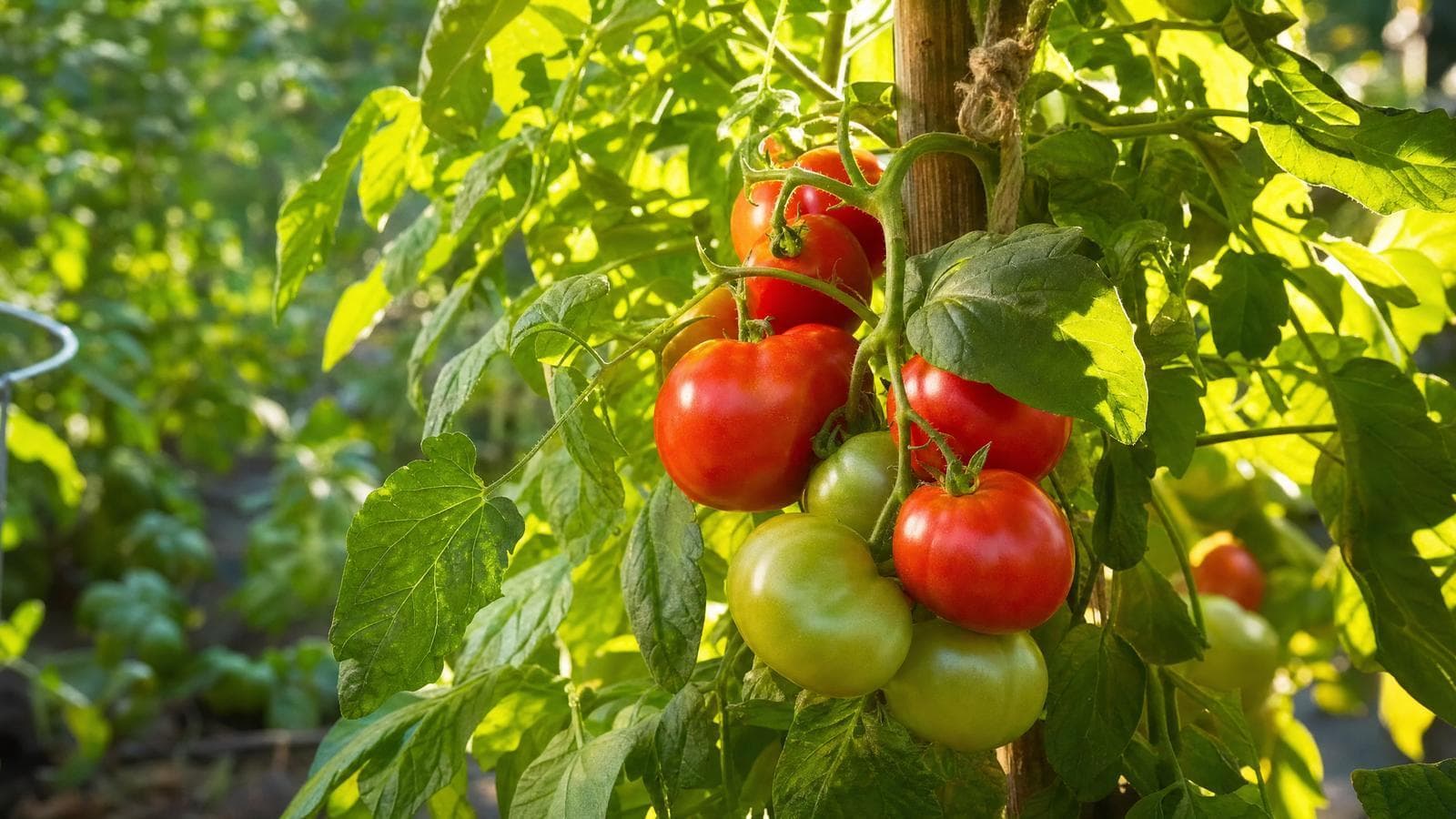
Hello, gardening friends! If there is one crop that defines the summer vegetable garden, it’s the tomato. We spend all spring carefully nurturing our seedlings, watching them grow into sturdy green vines. But as late May rolls around and the forecast starts predicting those first real spikes of summer heat, it's time to shift our strategy from "encouraging growth" to "protecting the harvest."
While tomatoes are considered a warm-weather crop, they actually have a temperature sweet spot. They thrive when daytime temperatures are between 70°F and 85°F. Once the thermometer consistently creeps above 90°F, tomato plants can become severely stressed. They may drop their blossoms (meaning no new fruit will form), the leaves may curl, and the fruit that is already growing can suffer from sunscald.
Don't panic! By taking a few proactive steps right now, you can help your tomato plants weather the early summer heatwaves and continue producing beautiful, juicy fruit.
Step 1: Strategic Deep Watering
The most common mistake gardeners make when the heat arrives is watering their tomatoes lightly every single day. This encourages the plant to develop shallow roots near the soil surface, which dry out quickly and leave the plant incredibly vulnerable to heat stress.
The Master Gardener Approach: You want to train your tomato plants to grow deep, resilient root systems. Instead of watering a little bit every day, water deeply and thoroughly 2 to 3 times a week (depending on your soil type and rainfall).
When you water, apply it slowly at the base of the plant, allowing it to soak down at least 6 to 8 inches into the soil. Avoid getting the leaves wet, as hot, humid foliage is a breeding ground for fungal diseases like blight. If you haven't already, late May is the perfect time to install a simple drip irrigation system or use soaker hoses.
Step 2: The Magic of Mulch
I cannot overstate the importance of mulch for tomato plants. If your soil is still bare, covering it should be your top priority this weekend.
A thick layer of organic mulch acts like an air conditioner for the soil. It can keep the root zone up to 10 degrees cooler than the surrounding air temperature. It also drastically reduces water evaporation, meaning that deep watering you just did will last much longer.
What to use: Apply a 2 to 3-inch layer of clean straw, shredded leaves, or untreated grass clippings around the base of your tomato plants.
*Crucial Tip:* Make sure to leave a 1 to 2-inch gap between the mulch and the actual stem of the tomato plant. Piling mulch directly against the stem can trap moisture and cause the stem to rot.
Step 3: Providing Afternoon Shade
Tomatoes need full sun (at least 6-8 hours a day) to produce well. However, when temperatures soar into the upper 90s, the intense late-afternoon sun can literally cook the fruit on the vine, causing white, papery blisters known as sunscald.
If you live in an area prone to intense early summer heatwaves, providing temporary afternoon shade can save your crop.
How to do it: You don't want to block the sun entirely. Use a light-colored shade cloth rated for 30% to 40% light reduction. You can drape it over your tomato cages or build a simple frame using bamboo poles or PVC pipe. Position the cloth so it blocks the harsh sun from the west and south between 2:00 PM and 6:00 PM, but still allows plenty of morning light and airflow.
Step 4: Hold Off on Heavy Pruning
Many gardeners aggressively prune their indeterminate tomato plants to improve airflow and focus energy on fruit production. While some pruning is good, be very careful about removing too much foliage right as a heatwave approaches.
The leaves are the plant's natural umbrella. A robust canopy of leaves shades the developing fruit and protects it from the sun. If you prune away too many branches, you expose the delicate green tomatoes directly to the harsh rays, drastically increasing the risk of sunscald. During the hottest weeks of early summer, it's better to let the plant stay a little bushy.
Helpful Tools for Tomato Care
To implement these heat-protection strategies effectively, a few simple tools can make a huge difference.
For deep, consistent watering without wetting the leaves, a good soaker hose is invaluable. The Gilmour Flat Weeper Soaker Hose is easy to snake through your tomato beds and delivers water right where it's needed.
If you need to rig up some quick shade protection, having a roll of quality shade cloth on hand is a lifesaver. Look for something like the Agfabric 30% Sunblock Shade Cloth, which allows air and rain to pass through while cutting the intensity of the UV rays.
*(As an Amazon Associate I earn from qualifying purchases.)*
Frequently Asked Questions
Q: Why are the leaves on my tomato plants rolling up during the day?
A: Physiological leaf roll is a very common defense mechanism against heat and drought. The plant rolls its leaves upward to reduce the surface area exposed to the sun, thereby reducing water loss through transpiration. As long as the leaves are green and healthy-looking (not yellowing or spotting), and they unroll somewhat in the cooler evening, it is nothing to worry about. Ensure you are watering deeply.
Q: My tomato plants are dropping their yellow flowers without producing fruit. What's wrong?
A: This is called "blossom drop," and it is almost always caused by temperature stress. When daytime temperatures exceed 85-90°F, or nighttime temperatures stay above 70°F, the pollen becomes sterile, and the plant aborts the flower. Keep the plant healthy, watered, and shaded, and it will resume setting fruit once the temperatures moderate.
Q: Should I fertilize my tomatoes more when it's hot to help them recover?
A: No! Never apply fertilizer to a heat-stressed or drought-stressed plant. Pushing a plant to grow new foliage when it is struggling to survive the heat will only cause more damage. Wait until the heatwave breaks and you have watered deeply before applying any fertilizer.
By adjusting your watering habits, applying a thick blanket of mulch, and providing a little relief from the afternoon sun, your tomatoes will power through the early summer heat and reward you with a bountiful harvest.
Stay cool, and happy gardening!
Ready to Design?
Upload a photo of your space and get beautiful, personalized design ideas in seconds.
Keep reading
Seasonal planting reminders and expert guides — free.