Blog
The Best Organic Fertilizers and Soil Amendments for a Thriving Garden
Discover the best organic fertilizers and soil amendments, from compost to fish emulsion. A master gardener's guide to feeding your soil naturally.
2026-05-23
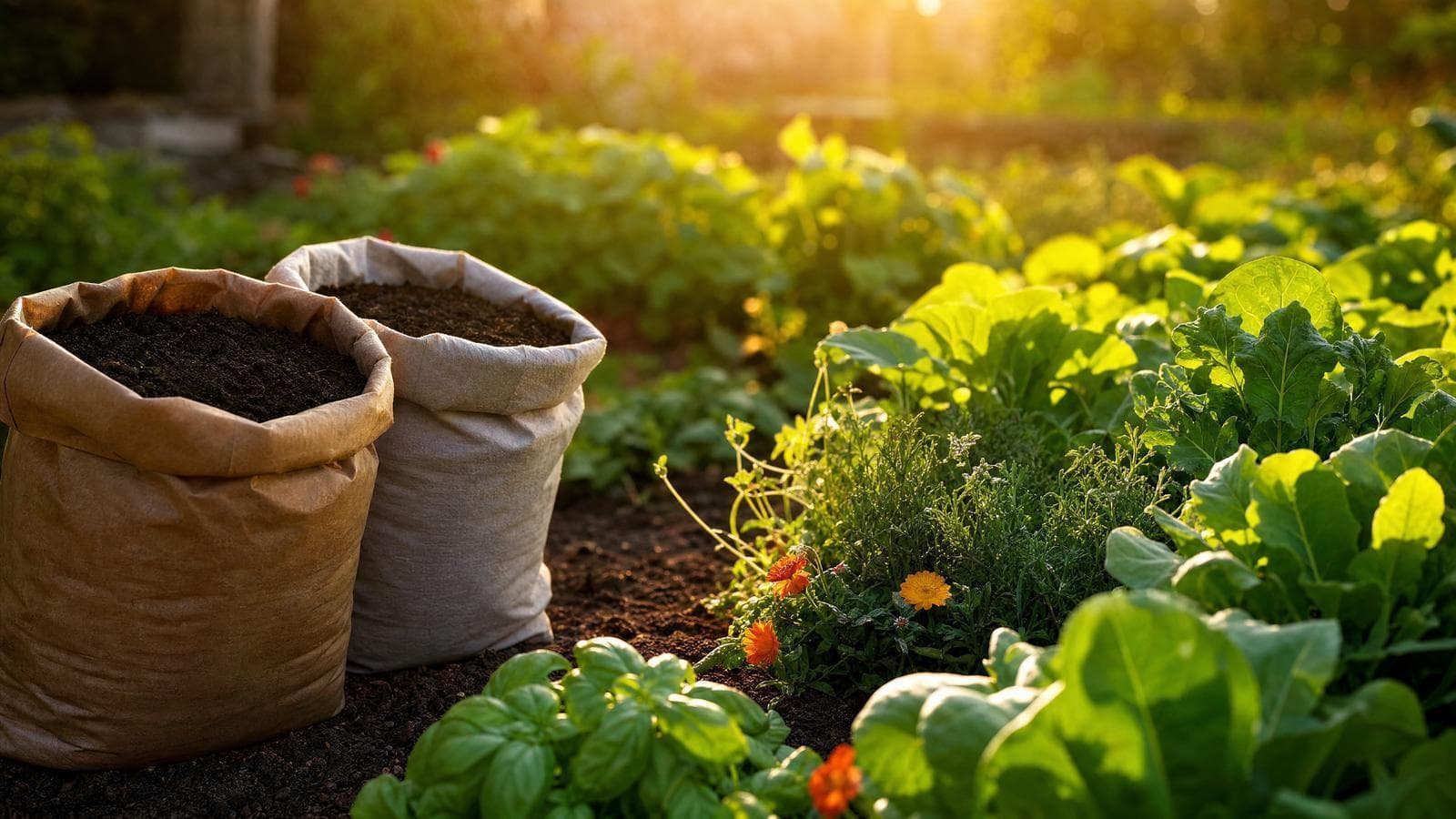
Hello, neighbor! If you've ever stood in the garden center aisle staring at rows of brightly colored bags and bottles, wondering what on earth your plants actually need, you are not alone. As a master gardener, one of the most common questions I get over the garden fence is about feeding plants. The secret to a lush, productive garden isn't really about feeding the plants at all—it is about feeding the soil.
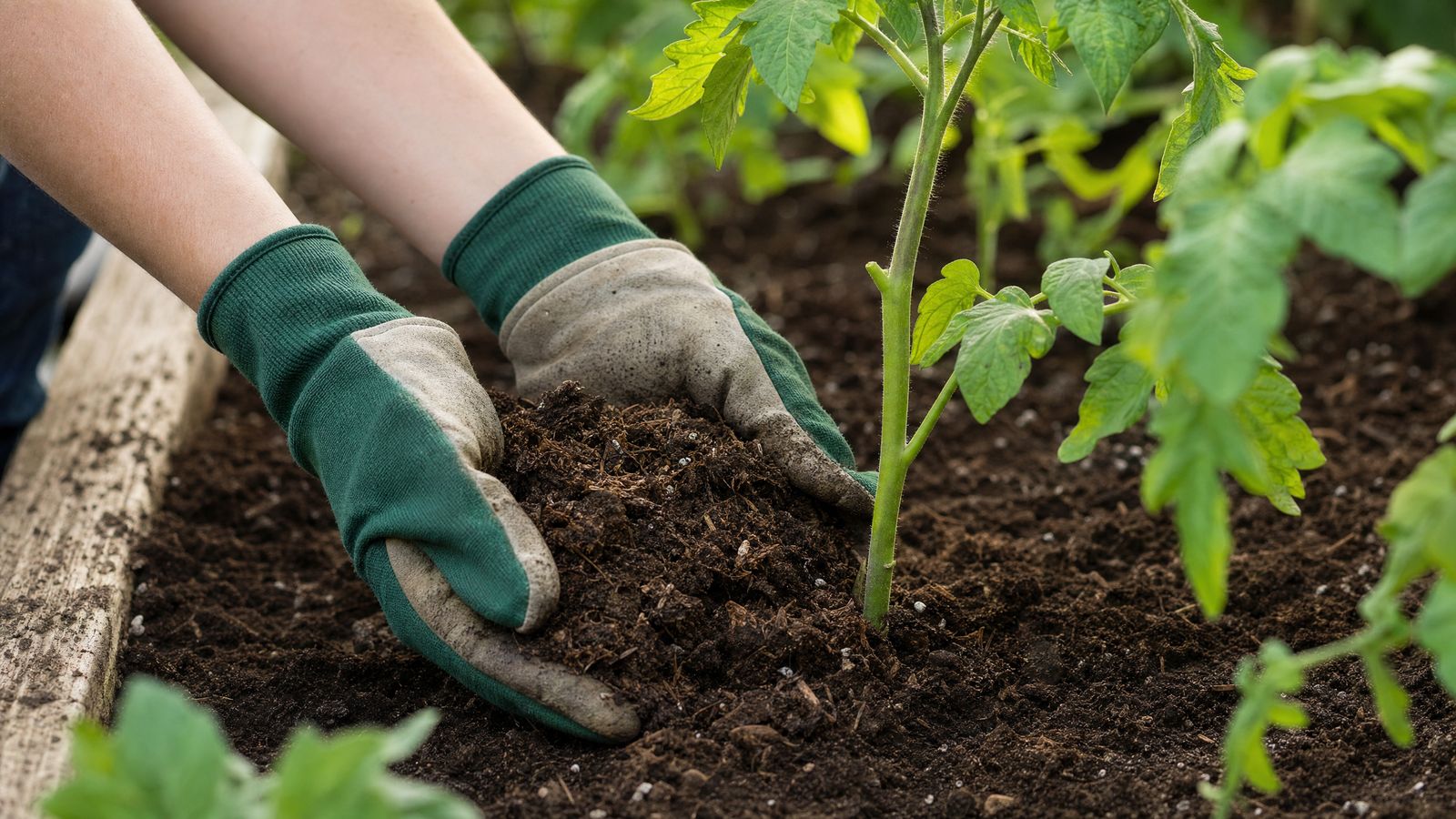
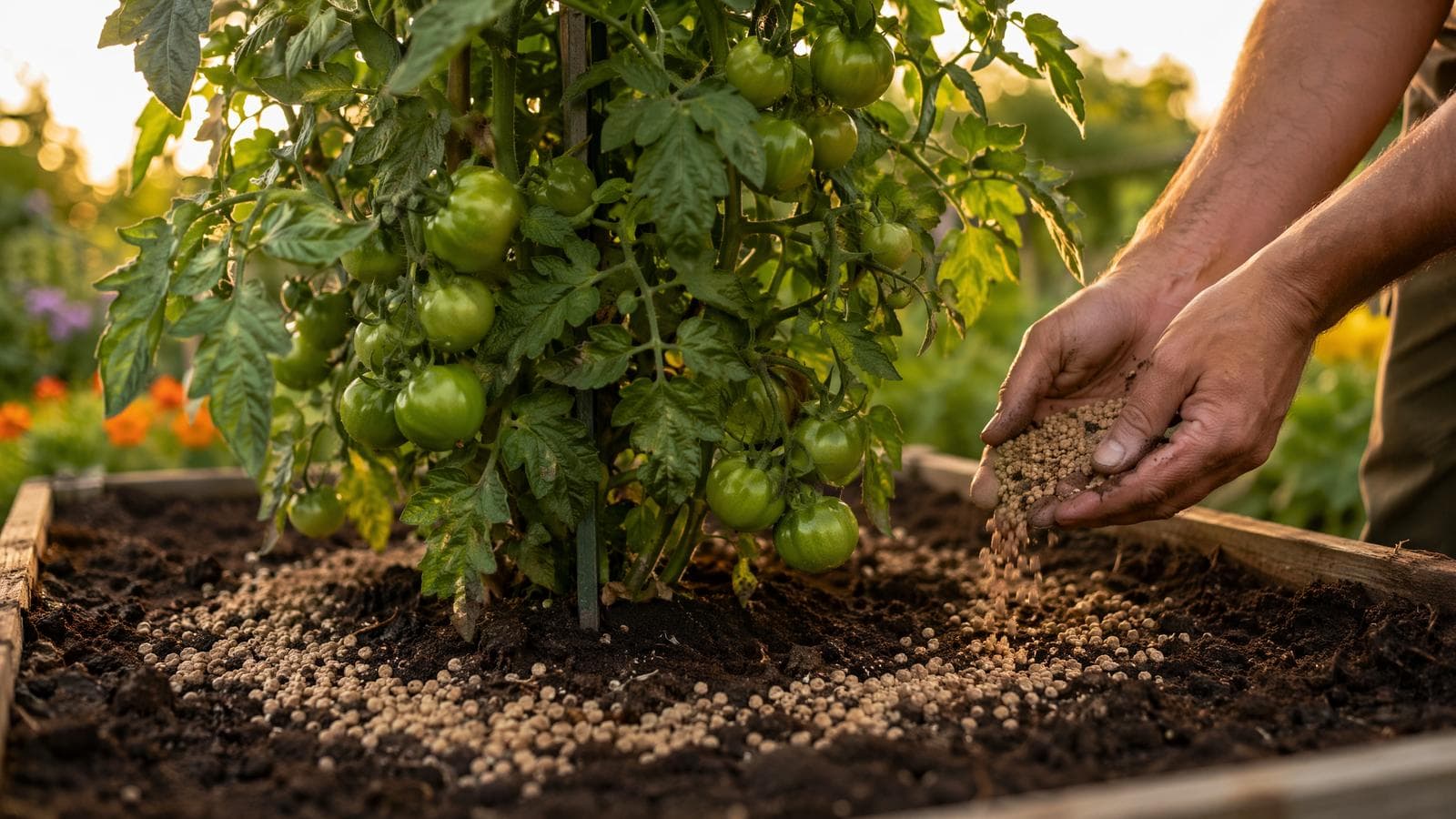
When we use organic fertilizers and soil amendments, we are working with nature rather than against it. Instead of giving plants a quick, synthetic sugar rush that washes away with the next rain, organic options like compost, worm castings, fish emulsion, and bone meal slowly break down. They nourish the complex web of microorganisms in the soil, which in turn provide a steady, reliable buffet of nutrients to your plant's roots. It is the difference between a fast-food burger and a hearty, home-cooked meal.
Over the years, I have tested countless products in my own raised beds and borders. Today, I want to share my absolute favorite organic fertilizers and soil amendments from trusted brands like Dr. Earth, Espoma, Down to Earth, and Fox Farm. Whether you are growing prize-winning tomatoes, establishing a new perennial bed, or just trying to keep your houseplants happy, these are the products I reach for season after season.
My Top Picks for Organic Fertilizers and Soil Amendments
1. Espoma Organic Plant-tone All-Purpose Plant Food
Why I recommend it: If I could only choose one fertilizer to keep in my garden shed, this would be it. Espoma has been making this blend for decades, and it is a foolproof, well-balanced meal for almost anything that grows.
Who it is best for: Beginners looking for a single, reliable fertilizer for their entire garden, and busy gardeners who want a simple, scatter-and-go solution.
Brief review: Plant-tone is a 5-3-3 blend, meaning it provides a gentle, balanced mix of nitrogen, phosphorus, and potassium. What I love most about this product is that it includes beneficial microbes (what they call Bio-tone) that help break down the nutrients so your plants can absorb them more easily. I use this as a foundational fertilizer in the spring, scratching a handful into the soil around my perennials and mixing it into the planting holes for my summer vegetables. It has a slightly earthy smell when you first apply it, but that dissipates quickly. It never burns my plants, even if I am a little heavy-handed.
*Gardening Tip:* Always water your garden thoroughly after applying granular fertilizers like Plant-tone. The moisture is necessary to activate the microbes and start the breakdown process.
2. Wiggle Worm Soil Builder Earthworm Castings
Why I recommend it: Worm castings are essentially nature's perfect plant food. They improve soil structure, increase water retention, and provide a gentle dose of nutrients that are immediately available to plants.
Who it is best for: Seed starters, container gardeners, and anyone dealing with tired, depleted soil.
Brief review: Do not let the idea of worm poop deter you! Wiggle Worm Earthworm Castings look and feel like rich, dark, crumbly coffee grounds, and they have a wonderful, sweet earthy scent. I consider this my secret weapon for seed starting. I mix about a quarter cup of these castings into my seed starting mix, and the difference in seedling vigor is astounding. For established potted plants that are looking a little sad, a top-dressing of worm castings acts like a gentle multivitamin. Because it is so mild, it is virtually impossible to over-apply or burn your plants.
3. Down to Earth Organic Bone Meal Fertilizer
Why I recommend it: When it comes to encouraging spectacular blooms and strong root development, phosphorus is key, and bone meal is one of the best organic sources available.
Who it is best for: Flower gardeners, bulb enthusiasts, and anyone growing root crops like carrots, onions, and garlic.
Brief review: Down to Earth is a fantastic brand that offers single-ingredient amendments in eco-friendly cardboard boxes. Their Bone Meal (3-15-0) is finely ground, which means it breaks down faster in the soil than coarser products. I always add a scoop of this to the bottom of the hole when I am planting spring-flowering bulbs like tulips and daffodils in the fall. It is also my go-to for tomatoes and peppers when they start setting blossoms, as the extra phosphorus helps prevent blossom drop and encourages heavy fruiting.
*Gardening Tip:* Bone meal relies on soil acidity to break down. If your soil is highly alkaline (pH above 7.0), the phosphorus might remain locked up. In that case, consider a liquid organic bloom booster instead.
4. Alaska Fish Emulsion Fertilizer
Why I recommend it: Sometimes your plants need a quick pick-me-up, and liquid fish emulsion provides a fast-acting dose of nitrogen that plants can absorb through their roots and their leaves.
Who it is best for: Vegetable gardeners dealing with yellowing leaves, and anyone wanting to give their heavy feeders (like corn and brassicas) a mid-season boost.
Brief review: Let us address the elephant in the room: fish emulsion smells like, well, dead fish. But if you can get past the odor (which fades in a day or two), the results are incredible. Alaska Fish Emulsion is a 5-1-1 liquid concentrate that you mix with water. I use it as a foliar spray early in the morning, or as a soil drench for my heavy-feeding vegetables during their peak growth phase. If I notice the lower leaves on my tomato plants turning pale green or yellow, a dose of this usually greens them right up within a week. Just be sure to keep pets away from the garden for a few hours after applying, or they might try to roll in it!
5. Dr. Earth Organic 5 Tomato, Vegetable & Herb Fertilizer
Why I recommend it: Tomatoes are notoriously fussy eaters, prone to issues like blossom end rot if they do not get the right balance of nutrients and calcium. This blend takes the guesswork out of feeding the vegetable garden.
Who it is best for: Vegetable gardeners, especially those growing tomatoes, peppers, eggplants, and squash.
Brief review: Dr. Earth's vegetable blend (4-6-3) is specifically formulated to support the heavy demands of fruiting vegetables. It contains a robust mix of fish bone meal, feather meal, kelp, and alfalfa, plus a proprietary blend of soil microbes and mycorrhizae. The added calcium is a lifesaver for preventing blossom end rot in tomatoes and peppers. I apply this when I first transplant my seedlings into the garden, and then side-dress them every month throughout the growing season. My yields have been consistently higher and the plants noticeably more disease-resistant since I started using this specific blend.
6. FoxFarm Happy Frog Soil Conditioner
Why I recommend it: Good soil is the foundation of a good garden, and this heavily amended compost blend is the fastest way to turn hard, lifeless dirt into a rich, loamy paradise.
Who it is best for: Gardeners building new raised beds, amending heavy clay soil, or revitalizing old garden plots.
Brief review: While not a fertilizer in the traditional sense, FoxFarm's Happy Frog Soil Conditioner is an absolute powerhouse of an amendment. It is a blend of aged forest products, sphagnum peat moss, and earthworm castings, heavily inoculated with beneficial microbes and mycorrhizal fungi. When I am preparing a new garden bed, I spread a two-inch layer of this over the top and gently fork it in. It dramatically improves soil drainage while simultaneously helping it hold onto moisture during dry spells. The mycorrhizae form a symbiotic relationship with plant roots, essentially extending their reach and helping them draw up more water and nutrients.
*Gardening Tip:* Never leave bare soil exposed to the elements. After amending your soil with a rich conditioner like Happy Frog, cover it with a layer of organic mulch (like straw or shredded leaves) to protect the soil life you just introduced.
7. Down to Earth Organic Kelp Meal
Why I recommend it: Kelp meal is the ultimate garden tonic. It does not provide a huge amount of primary macronutrients (NPK), but it is packed with over 70 trace minerals and natural plant growth hormones.
Who it is best for: Gardeners looking to improve plant resilience against stress (like drought, heat, or frost), and those wanting to boost overall plant health and vigor.
Brief review: Think of kelp meal as a daily vitamin for your garden. Down to Earth's Kelp Meal is sustainably harvested from the cold waters of the North Atlantic. I love using this amendment because it helps plants handle environmental stress much better. When we have a scorching hot July, the plants that received a dusting of kelp meal in the spring always seem to wilt less and bounce back faster. It also stimulates root development and encourages more robust branching. I mix a little into my potting soils and sprinkle it around the base of my most prized perennials and shrubs every spring.
How We Chose These Products
As a master gardener, I do not recommend products lightly. The fertilizers and amendments on this list were chosen based on several strict criteria:
1. True Organic Certification: Every product listed is derived from natural, organic sources. I look for OMRI (Organic Materials Review Institute) listing or equivalent certifications to ensure no synthetic chemicals are sneaking into the garden.
2. Soil-Building Properties: A good organic fertilizer should do more than just feed the plant; it must improve the soil. I prioritized products that include beneficial microbes, mycorrhizae, or organic matter that feeds the existing soil food web.
3. Brand Reliability: Dr. Earth, Espoma, Down to Earth, and Fox Farm have proven track records. They source their ingredients responsibly and consistently deliver high-quality, unadulterated products.
4. Personal Experience: I have personally used every single one of these products in my own garden over multiple seasons. I have seen the results firsthand—from the explosive growth of seedlings treated with worm castings to the heavy yields of tomatoes fed with Dr. Earth.
5. Ease of Use: Gardening should be a joy, not a chemistry exam. I selected products that are straightforward to apply, with clear instructions and a low risk of burning plants if you accidentally apply a little too much.
Final Thoughts
Transitioning to organic fertilizers and soil amendments is one of the most rewarding decisions you can make for your garden. It requires a slight shift in mindset—you are no longer just feeding a plant; you are cultivating an entire underground ecosystem.
If you are just starting out, do not feel like you need to buy every product on this list. I recommend beginning with a good all-purpose blend like the Espoma Organic Plant-tone and a bag of high-quality compost or Wiggle Worm Earthworm Castings. As you get to know your garden and observe how your plants respond, you can start adding specific amendments like bone meal for your bulbs or fish emulsion for a quick nitrogen boost.
Remember, the best thing you can put in your garden is your own shadow. Spend time out there, observe your plants, and let nature do the heavy lifting. Happy gardening, neighbor!
---
*As an Amazon Associate, I earn from qualifying purchases. All recommendations are based on genuine experience and testing.*
Ready to Design?
Upload a photo of your space and get beautiful, personalized design ideas in seconds.
Keep reading
Seasonal planting reminders and expert guides — free.