Blog
How to Deer-Proof Your Vegetable Garden: Proven Strategies That Actually Work
Protect your vegetable garden from deer damage with these proven, practical strategies. A master gardener's guide to deer-resistant plants, fencing, and repellents.
2026-05-23
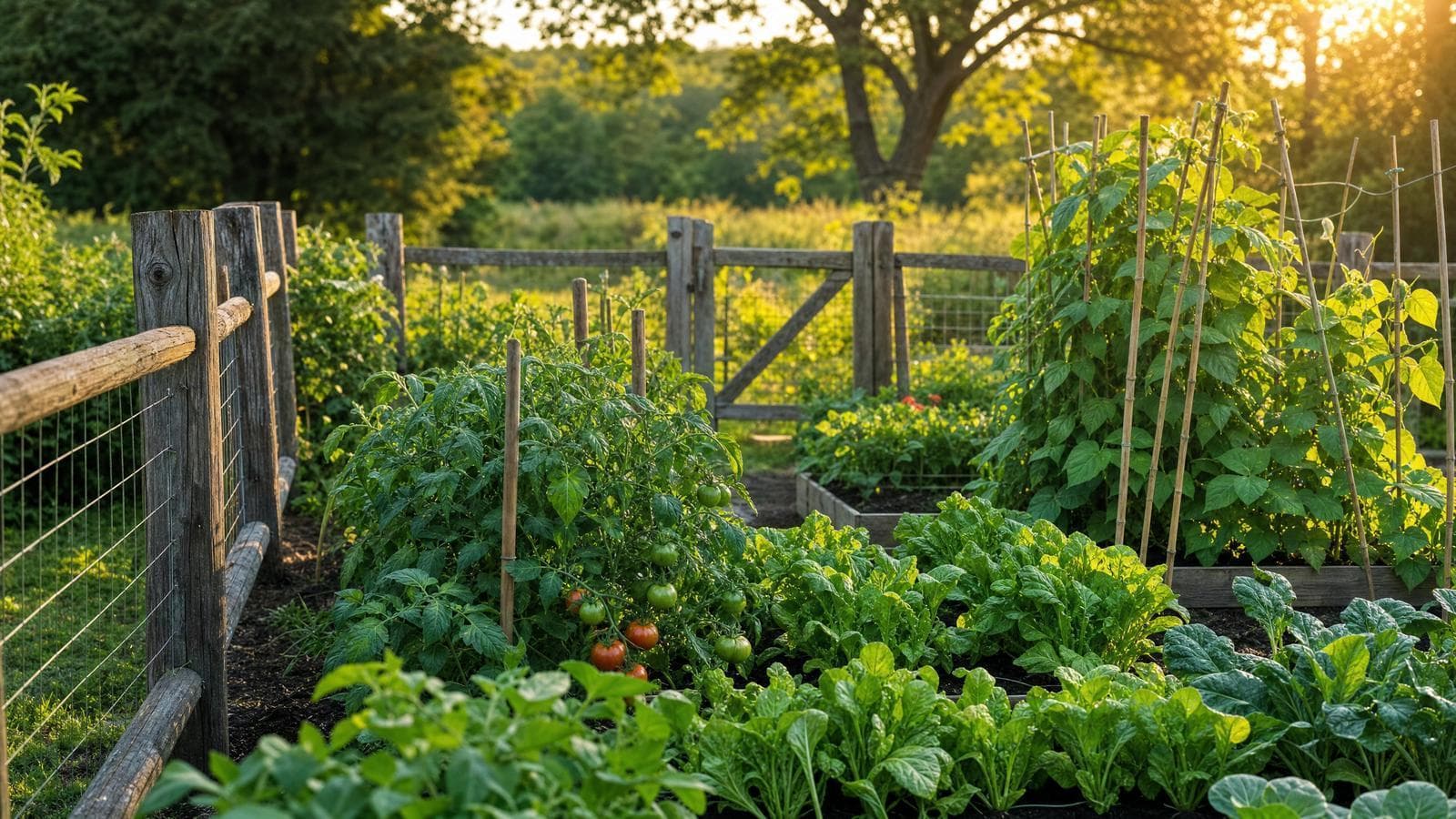
Hello, gardening friends! There is nothing quite as disheartening as walking out to your garden on a beautiful summer morning, only to find that deer have helped themselves to your carefully tended vegetable plants overnight. If you live in an area with a healthy deer population, you know exactly what I am talking about. One night, your tomato plants are lush and full of promise. The next morning, they look like they have been through a paper shredder.
As we head into the peak growing season of late May and June, deer are actively feeding to support fawns and build up their summer reserves. This means the pressure on your garden is at its highest right now. Today, I want to share the strategies that I have found most effective over the years — from physical barriers to smart plant choices — so you can protect your hard work and actually enjoy your harvest.
Understanding Deer Behavior
Before we talk about solutions, it helps to understand the problem. White-tailed deer are creatures of habit. They follow the same paths and return to reliable food sources night after night. Once they discover your vegetable garden, they will keep coming back unless you give them a compelling reason not to.
Deer are also remarkably adaptable. A deterrent that works brilliantly for a few weeks may lose its effectiveness as the deer get used to it. This is why the most successful deer management strategies involve layering multiple approaches rather than relying on any single solution.
The Most Reliable Solution: Proper Fencing
I will be direct with you: if deer pressure in your area is significant, a proper fence is the only truly reliable long-term solution. The good news is that you have several effective options.
The 8-Foot Fence: Deer can jump surprisingly high — up to 8 feet in some cases — but they are reluctant to jump into a space they cannot see clearly. A solid fence that is 7 to 8 feet tall is the gold standard for deer exclusion. Woven wire or welded wire fencing works well and, while it requires an upfront investment, it will protect your garden for many years.
The Double Fence Trick: Here is a clever, less expensive alternative. Deer are reluctant to jump when they are uncertain about their landing spot. Install two parallel fences, each only 4 to 5 feet tall, spaced about 3 to 4 feet apart. The deer cannot clear both fences simultaneously and will typically give up and move on.
Electric Fencing: A single strand of electric fence at about 30 inches high, baited with peanut butter on aluminum foil flags, can be surprisingly effective. The deer approach to investigate the smell, touch the wire, and receive a mild shock that teaches them to avoid the area. This is a low-cost option that many gardeners swear by.
Deer-Resistant Plants: Working With Nature
While no plant is completely deer-proof when a hungry deer is determined enough, there are many vegetables and herbs that deer strongly prefer to avoid. Incorporating these into your garden can reduce overall damage.
Deer tend to dislike plants with strong scents. This is great news for herb gardeners! Lavender, rosemary, sage, thyme, and mint are all generally left alone. Garlic and onions are also excellent choices — their pungent aroma is a powerful deterrent.
Among vegetables, deer tend to avoid squash and pumpkins (the prickly leaves are unpleasant for them), asparagus, rhubarb, and most root vegetables like carrots, beets, and turnips (since the edible part is underground). Tomatoes and peppers are also less preferred than, say, lettuce, beans, or sweet corn.
My Master Gardener Tip: Consider planting a "sacrificial border" of deer-preferred plants (like clover or hostas) away from your main garden to draw deer attention away from your vegetables. This works best in combination with other deterrents.
Repellents: A Useful Layer of Defense
Commercial deer repellents can be effective, especially when used as part of a layered approach. The most effective repellents work by smell (using ingredients like putrefied egg solids, garlic, or predator urine) or by taste (using bitter or hot compounds).
The key to making repellents work is consistency. You need to reapply them regularly, especially after rain, and rotate between different products so the deer don't become habituated to any single scent. Apply repellents before deer pressure begins, not after they have already established a feeding pattern in your garden.
Motion-Activated Deterrents
Motion-activated sprinklers are one of my favorite tools for deer management. When a deer enters the detection zone, the sprinkler fires a burst of water, startling the animal and sending it running. These devices are humane, effective, and have the added benefit of occasionally surprising the gardener as well (ask me how I know).
Motion-activated lights can also be effective, particularly in the early season before deer have become fully committed to a feeding route.
Protecting Individual Plants
For high-value plants or newly transplanted seedlings, individual plant cages or wire cylinders can provide excellent protection. Simply surround the plant with a cylinder of hardware cloth or chicken wire. This is especially useful for young fruit trees, berry bushes, or newly planted perennials.
FAQ
Q: Do deer repellent sprays actually work?
A: Yes, but with important caveats. They work best when applied before deer establish a feeding habit in your garden, and they must be reapplied consistently, especially after rain. Rotating between different products helps prevent habituation.
Q: What vegetables do deer love most?
A: Deer have a particular fondness for lettuce, beans, peas, sweet corn, brassicas (broccoli, cabbage, kale), and most young seedlings of any kind. These should be your highest priority to protect.
Q: Is there a deer-proof garden?
A: Truly deer-proof is a very high bar, but a well-constructed 8-foot fence comes close. For most home gardeners, a combination of a good fence, repellents, and strategic plant selection will reduce deer damage to a manageable level.
Q: When are deer most active and most likely to damage my garden?
A: Deer are most active at dawn and dusk (crepuscular), though they will feed at any time of day or night. Pressure is highest in late spring and early summer (when does are nursing fawns) and again in fall (when bucks are building reserves before the rut).
*Disclosure: As an Amazon Associate I earn from qualifying purchases.*
To protect your garden this season, consider investing in a reliable motion-activated sprinkler or a quality deer repellent spray. For more permanent protection, a roll of garden fencing is a worthwhile investment that will pay for itself many times over.
Wishing you a deer-free, bountiful garden season!
Ready to Design?
Upload a photo of your space and get beautiful, personalized design ideas in seconds.
Keep reading
Seasonal planting reminders and expert guides — free.