Blog
How to Grow Dahlias for a Stunning Summer Cut Flower Garden
Learn how to plant, grow, and care for dahlias to create a breathtaking summer cut flower garden. A master gardener's complete guide to growing dahlias from tubers.
2026-05-23
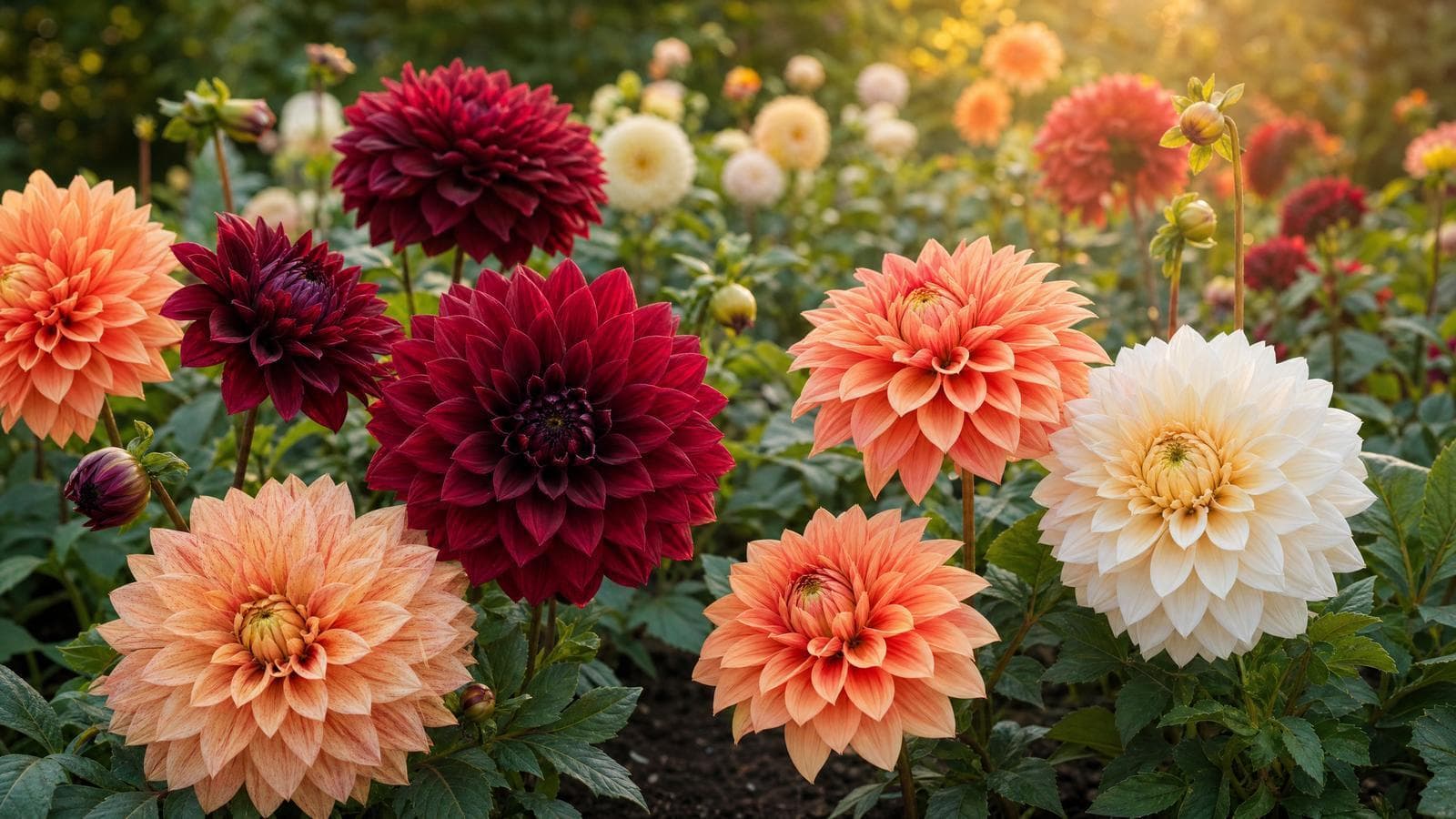
Hello, gardening friends! If you have ever wanted to fill your home with gorgeous, lush blooms all summer long without spending a fortune at the florist, then it is time to talk about dahlias. These spectacular flowers are a cut flower gardener's dream. They come in an almost unbelievable range of colors, shapes, and sizes — from delicate, dinner-plate-sized blooms to cheerful little pompons — and they produce abundantly from midsummer right up until the first frost.
Late May and early June is the ideal time to get dahlia tubers in the ground in most parts of the country. The soil has warmed up, the danger of frost has passed, and your dahlias will have all summer to establish themselves and reward you with armloads of beautiful flowers. Let me walk you through everything you need to know to grow dahlias successfully this season.
Choosing the Right Dahlia Varieties for Cutting
Not all dahlias are created equal when it comes to cut flower production. For the best vase life and the most prolific blooms, I recommend focusing on a few key categories.
Dinner Plate Dahlias are the showstoppers — enormous blooms that can reach 10 to 12 inches across. Varieties like 'Café au Lait' (a gorgeous blush-to-caramel color that pairs beautifully with everything) and 'Thomas Edison' (a rich, deep purple) are perennial favorites among flower farmers and home gardeners alike.
Ball and Pompon Dahlias produce smaller, perfectly rounded blooms on long, sturdy stems. They are workhorses in the cutting garden and tend to be very prolific. 'Jowey Winnie' and 'Karma Choc' are wonderful choices.
Decorative Dahlias fall somewhere in between, with full, layered petals and excellent stem length. These are incredibly versatile in arrangements.
Planting Dahlia Tubers: The Basics
Dahlias grow from tubers, which look a bit like a cluster of sweet potatoes. Here is how to get them in the ground correctly.
Site Selection: Dahlias need full sun — at least 6 to 8 hours per day. They are sun-lovers, and in shadier conditions, they will produce fewer flowers and become leggy. Choose the sunniest spot in your garden.
Soil Preparation: Dahlias thrive in loose, well-draining, fertile soil. Before planting, work in a generous amount of compost. Avoid planting in areas where water tends to pool, as dahlia tubers will rot in waterlogged soil.
Planting Depth and Spacing: Dig a hole about 6 inches deep. Place the tuber horizontally in the hole with the "eye" (the small, knobby growth point) facing upward. Cover with soil and water gently. Space your tubers 18 to 24 inches apart to allow for good air circulation as the plants grow.
My Master Gardener Tip: Do not water heavily right after planting. The tuber has enough moisture stored within it to get started, and overwatering at this stage is the number one cause of rot. Wait until you see the first green shoots emerging from the soil before you begin a regular watering schedule.
Staking Your Dahlias
Tall dahlia varieties can reach 4 to 5 feet in height, and their large blooms make them top-heavy. Staking at planting time is essential. Drive a sturdy stake (at least 5 feet tall) into the ground right next to your tuber before you cover it, so you don't accidentally spear the tuber later. As the plant grows, loosely tie the main stem to the stake with soft garden twine.
The Art of Pinching for More Blooms
This is the single most impactful thing you can do to increase your dahlia harvest. When your plant reaches about 12 to 16 inches tall and has 3 to 4 sets of leaves, pinch out the very top growing tip. This forces the plant to branch out and produce multiple stems instead of just one, which means dramatically more flowers.
I know it feels counterintuitive to cut back a plant you have been eagerly watching grow, but trust me on this one. A pinched dahlia will produce two to four times more blooms than an unpinched one.
Watering and Feeding
Once your dahlias are established and actively growing, they are fairly thirsty plants. Aim for deep, consistent watering about two to three times per week, depending on your climate and rainfall. Mulching around the base of the plants will help retain soil moisture and keep the roots cool.
For fertilizing, dahlias benefit from a low-nitrogen fertilizer once they begin to bud. Look for a formula with a higher middle number (phosphorus) to encourage robust flowering. Avoid high-nitrogen fertilizers, which will push leafy growth at the expense of blooms.
Harvesting Your Dahlia Blooms
For the longest vase life, harvest your dahlias in the early morning or evening when temperatures are cooler. Cut the stem at an angle and plunge it immediately into a bucket of cool water. Bring the bucket inside and let the flowers condition in a cool, dark place for several hours before arranging them. Change the water in your vase every day or two for the longest display.
FAQ
Q: My dahlia tubers haven't sprouted after three weeks. Are they dead?
A: Dahlias can be slow to emerge, especially if the soil is still cool. As long as the tubers feel firm (not mushy or rotten), be patient. They can take three to four weeks to show their first shoots. Resist the urge to overwater while waiting.
Q: Do I need to dig up my dahlia tubers in the fall?
A: In USDA hardiness zones 8 and above, dahlias can often overwinter in the ground with a thick layer of mulch. In colder zones (7 and below), you should dig the tubers after the first frost kills the foliage, let them dry, and store them in a cool, frost-free location in slightly damp peat moss or vermiculite.
Q: Why are my dahlia leaves being eaten?
A: Earwigs and slugs are common culprits. Earwigs are nocturnal, so check your plants after dark. Slugs can be managed with organic slug bait or by placing shallow dishes of beer near the plants.
*Disclosure: As an Amazon Associate I earn from qualifying purchases.*
Ready to get started? You can find a beautiful selection of dahlia tubers online, and I love having a set of quality garden stakes on hand for support. A good pair of sharp floral snips will also make harvesting your blooms a joy rather than a chore.
Here's to a summer full of beautiful flowers — happy growing!
Ready to Design?
Upload a photo of your space and get beautiful, personalized design ideas in seconds.
Keep reading
Seasonal planting reminders and expert guides — free.