Blog
Early Summer Tomato Care: Pruning, Staking, and Fertilizing for Maximum Yield
Master early summer tomato care with our guide to pruning suckers, proper staking, and fertilizing. Learn how to maximize your tomato harvest this season.
2026-05-24
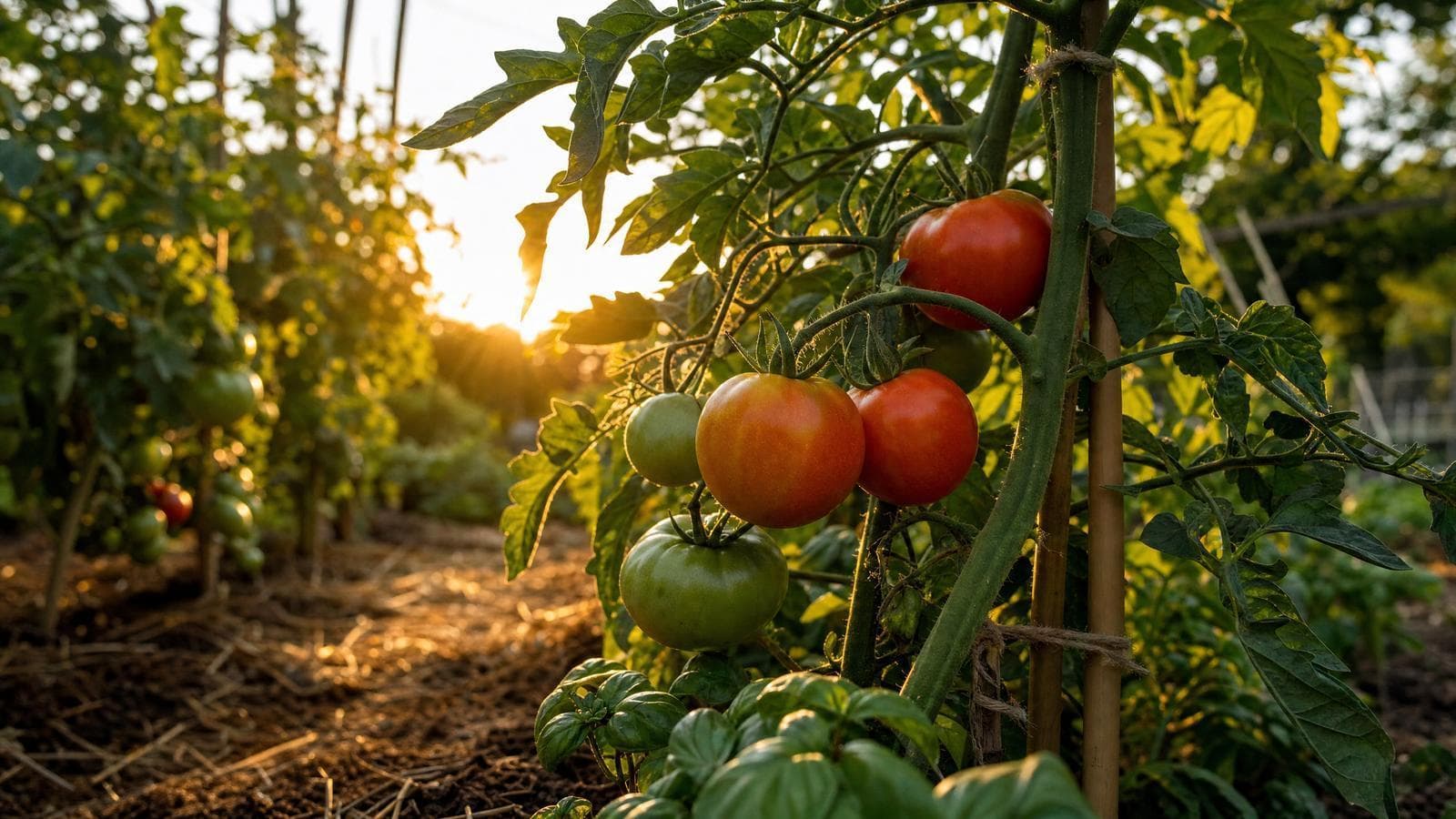
Hello, gardening friends! As we transition into the beautiful early summer days, our gardens are really starting to take off. If there's one plant that captures the heart of a summer garden, it's the humble tomato. Whether you're growing plump heirlooms, sweet cherry tomatoes, or sturdy Romas for sauce, right now is a critical time for tomato care.
The work we put in during these late May and early June weeks will determine the size and quality of our harvest come August. Today, I want to share some master gardener secrets on the holy trinity of early summer tomato care: pruning, staking, and fertilizing. Let's get our hands dirty and set our plants up for success!
The Art of Pruning Tomatoes
Pruning can feel intimidating, especially if you're worried about hurting your plants. But trust me, proper pruning is one of the best things you can do for indeterminate tomato varieties (the ones that keep growing and producing until frost).
When we prune, we are essentially directing the plant's energy away from producing endless foliage and toward producing flowers and fruit. It also improves airflow, which is crucial for preventing fungal diseases like blight.
How to Pinch Suckers
The main focus of pruning is removing "suckers." These are the small, vigorous shoots that grow in the "V" space (the crotch) between the main stem and the side branches. If left alone, a sucker will grow into a whole new main stem, complete with its own branches and flowers, resulting in a wild, bushy plant that produces smaller fruit.
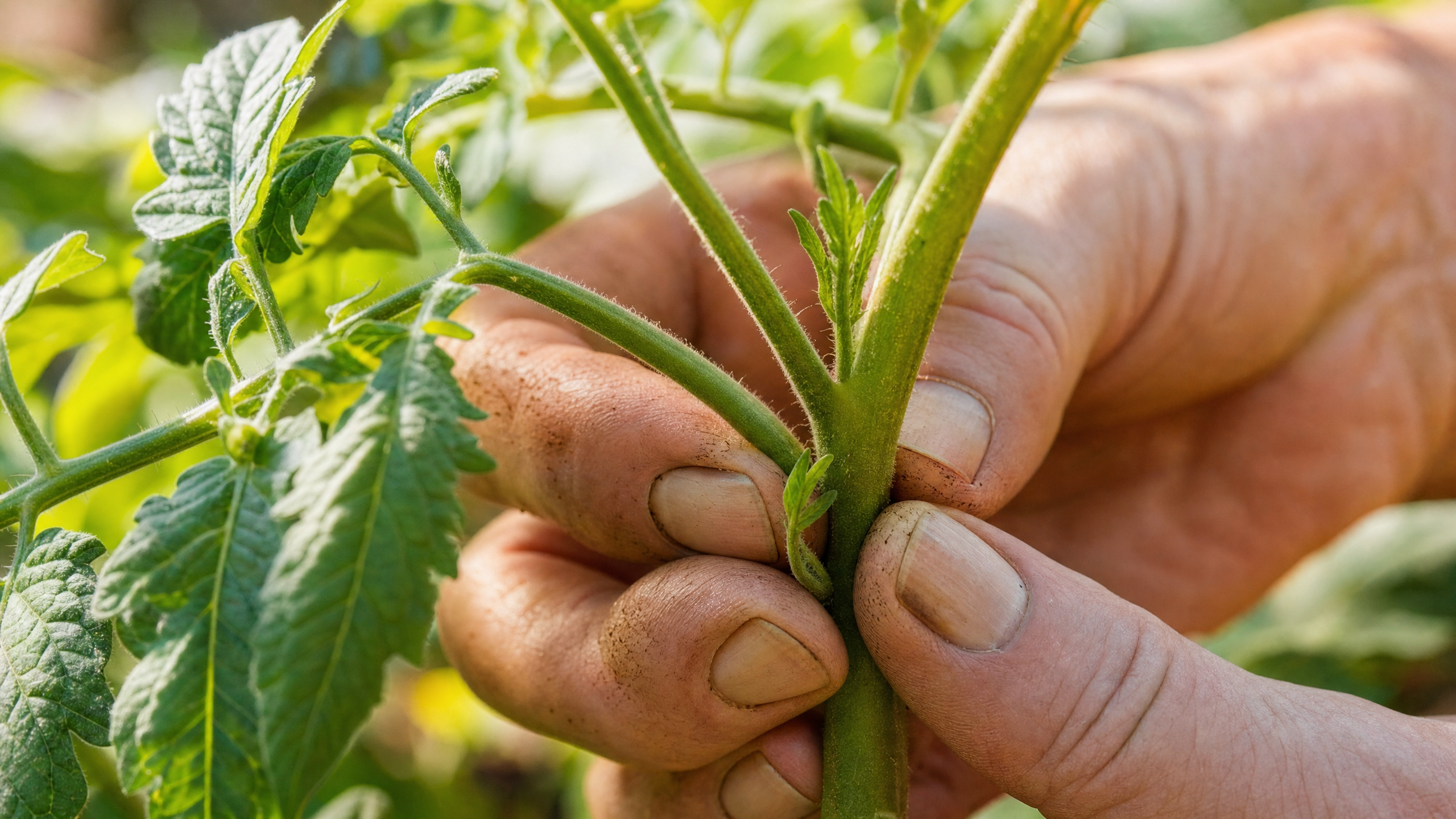
To remove a sucker, simply grasp it between your thumb and index finger and snap it off. It's best to do this when they are small (under 2 inches long). If they've grown thicker, use a clean pair of pruning snips to avoid tearing the main stem. I always keep a pair of reliable snips in my pocket when I'm in the garden. If you need a good pair, you can Check Price on Amazon.
Staking and Support: Keeping Things Upright
As your tomato plants grow taller and heavier with fruit, they need strong support. A sprawling tomato plant is an invitation for pests and soil-borne diseases.
While those small, conical wire tomato cages might work for determinate (bush) varieties, indeterminate tomatoes will quickly outgrow them. For serious support, I recommend using sturdy stakes or a trellis system.
The Stake and Weave Method
My preferred method is the Florida Weave, which uses tall, sturdy stakes driven deep into the ground between every two plants, with garden twine woven in a figure-eight pattern to support the stems. It's incredibly strong and keeps the plants perfectly upright.
For the stakes, I highly recommend using heavy-duty steel stakes or thick bamboo canes. If you're looking to upgrade your support system, you can Check Price on Amazon for some excellent, long-lasting options.
Feeding for Success: Early Summer Fertilizing
Tomatoes are heavy feeders. They need plenty of nutrients to produce all that delicious fruit. While we hopefully started with rich, compost-amended soil at planting time, by early summer, the plants will benefit from a nutritional boost.
When and What to Feed
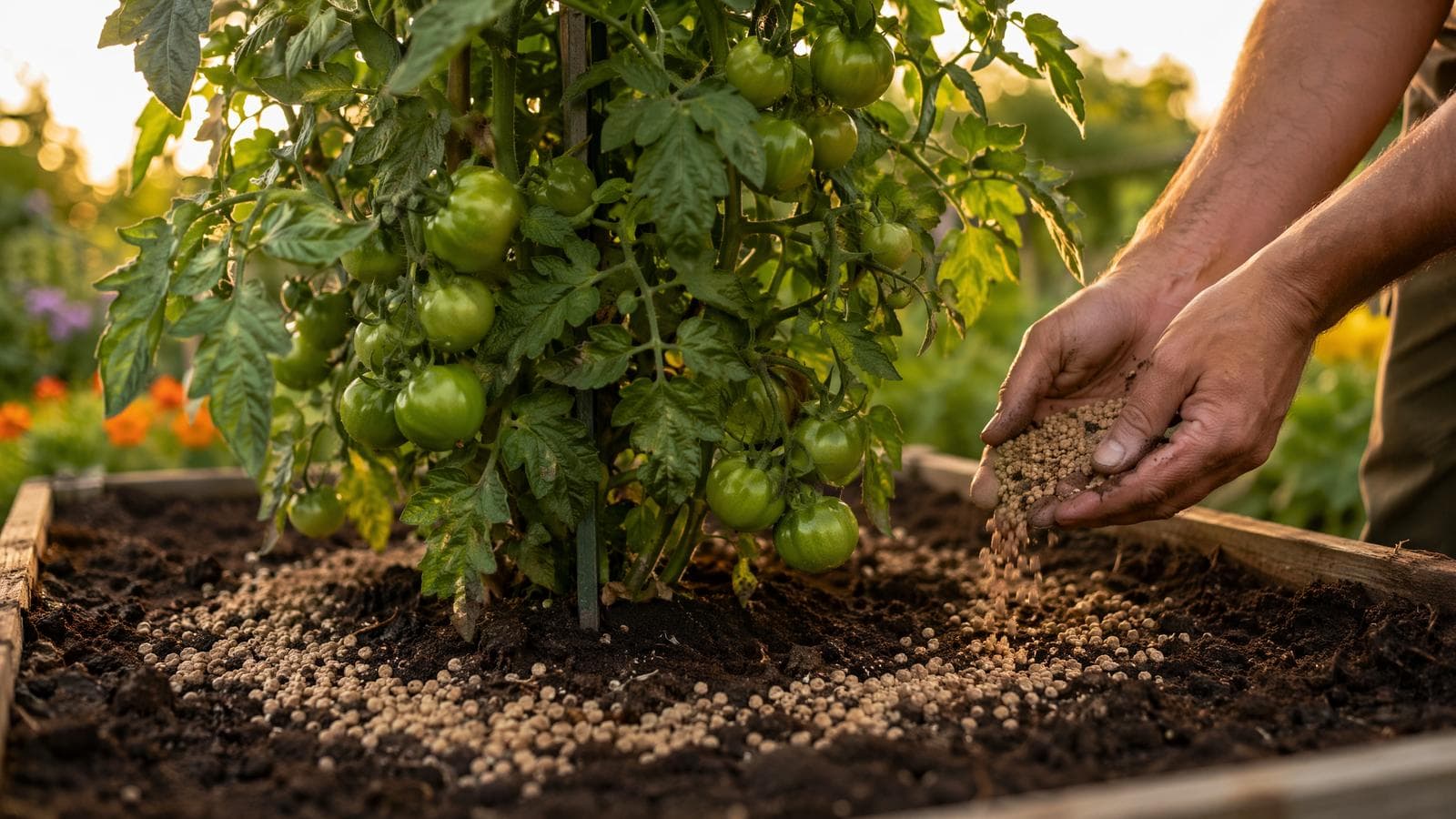
Once your tomato plants start setting their first clusters of fruit (you'll see the little green marbles forming), it's time to side-dress with fertilizer.
Look for an organic fertilizer specifically formulated for tomatoes or vegetables, which typically has a slightly higher phosphorus and potassium content relative to nitrogen (like a 3-4-4 or 4-6-6 ratio). Too much nitrogen will give you beautiful, lush green leaves but very few tomatoes!
Apply the fertilizer in a ring around the base of the plant, keeping it a few inches away from the main stem, and scratch it lightly into the soil. Water it in well. I usually apply a granular organic fertilizer every 3 to 4 weeks throughout the fruiting season. For a reliable organic option, you can Check Price on Amazon.
Explore More Gardening Tools
Taking care of your tomatoes is just one part of the summer garden journey. If you're looking for more ways to enhance your garden space, don't forget to check out our other resources!
- Need help visualizing a new garden layout? Try our Garden Designer.
- Have a specific pest or plant question? Ask our AI Garden Chat for instant advice.
- Looking for more great gear? Browse our Shop for curated recommendations.
- Wondering what else to sow right now? Check our Plant This Month guide.
FAQ
Do I need to prune determinate tomatoes?
No! Determinate (bush) tomatoes grow to a set height and produce all their fruit at once. Pruning them will actually reduce your harvest. Only prune indeterminate varieties.
How often should I water my tomatoes in early summer?
Aim for deep, consistent watering. Depending on your soil and weather, 1 to 2 inches of water per week is a good rule of thumb. Water at the base of the plant to keep the leaves dry.
Why are the bottoms of my tomatoes turning black?
This is likely Blossom End Rot, caused by a calcium deficiency, which is usually triggered by inconsistent watering. Ensure your watering schedule is steady, and consider adding a calcium supplement to the soil if the problem persists.
***
*Disclosure: As an Amazon Associate I earn from qualifying purchases.*
Ready to Design?
Upload a photo of your space and get beautiful, personalized design ideas in seconds.
Keep reading
Seasonal planting reminders and expert guides — free.