Blog
How to Identify and Control the Most Common Summer Garden Pests Organically
Japanese beetles, tomato hornworms, spider mites — summer brings a wave of garden pests. Learn how to identify them early and fight back with organic methods that actually work.
2026-05-25
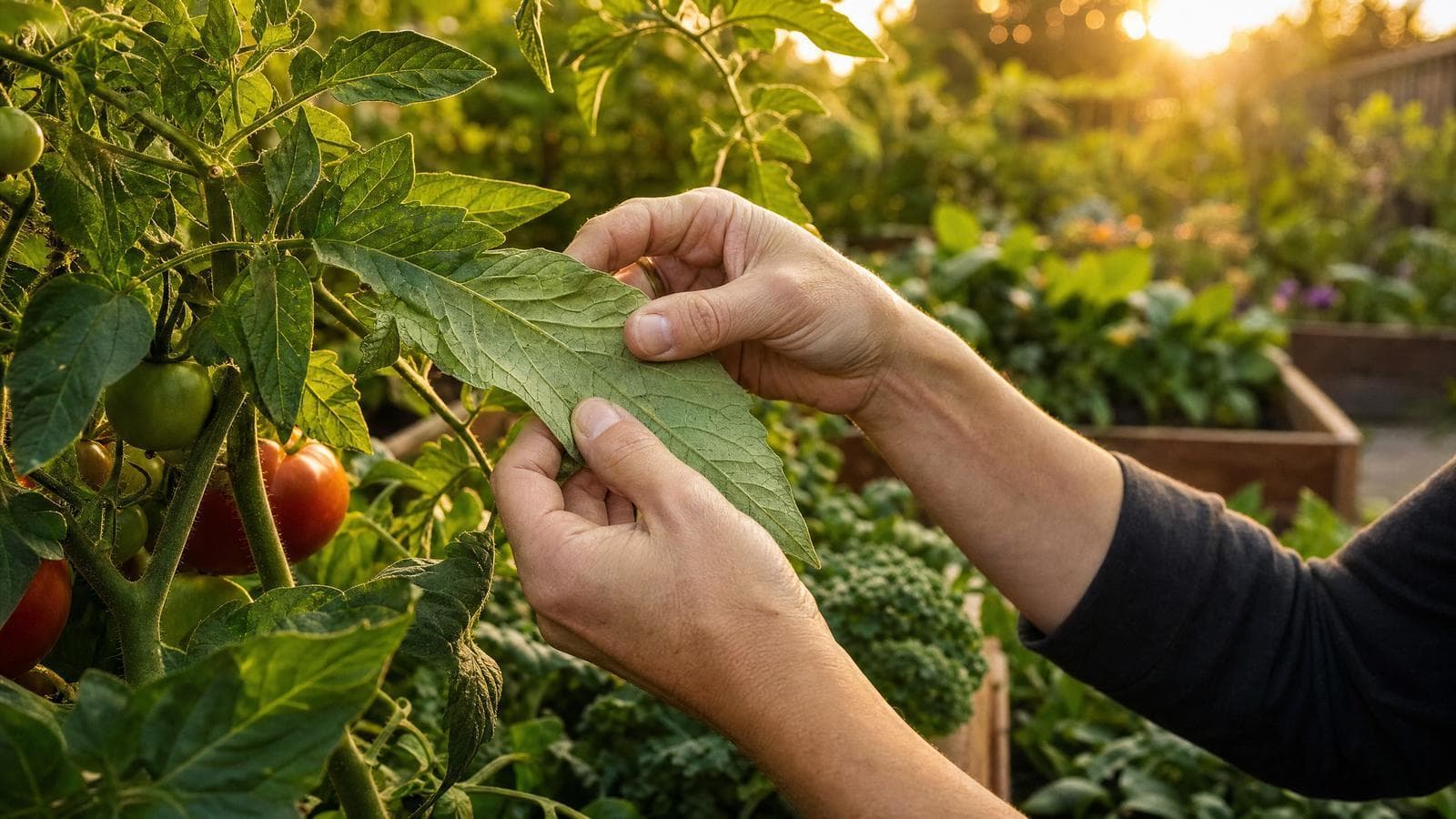
If there is one thing I've learned after years of growing vegetables, it's that summer is not just the season of abundance — it's also the season of pests. Right around the time your tomatoes are setting fruit and your peppers are finally taking off, the bugs show up. And if you're not paying attention, they can do serious damage in just a few days.
The good news is that most summer garden pests are very manageable once you know what you're dealing with. The key is early identification and a consistent, organic approach. Today, I want to walk you through the most common summer garden pests I see every year, how to recognize the damage they cause, and the most effective organic strategies for keeping them in check.
Why Early Detection Is Everything
Before we dive into the individual pests, I want to emphasize one thing: walk your garden every single day. I know that sounds like a lot, but it only takes five or ten minutes, and it makes an enormous difference. Most pest infestations start small. A handful of aphids or a single hornworm egg cluster is easy to deal with. A full-blown infestation that has been quietly building for two weeks is a much bigger problem.
Get into the habit of checking the undersides of leaves, the stems near the soil line, and the growing tips of your plants. These are the spots where pests like to hide and lay eggs. If you spot something unfamiliar, don't panic — just take a photo and use our AI Garden Chat to get an instant identification and treatment recommendation.
The Big Five Summer Garden Pests
1. Tomato Hornworm
The tomato hornworm is one of the most dramatic pests in the summer garden. These caterpillars can grow to nearly four inches long and are a vivid green color that makes them surprisingly difficult to spot against tomato foliage. The damage they cause, however, is unmistakable: entire branches stripped of leaves overnight, and large chunks taken out of green tomatoes.
The best way to find hornworms is to look for their droppings — small, dark pellets on the leaves below where they are feeding. Once you spot the frass, look directly above it on the stem and you'll usually find the culprit. The most effective organic control is simply hand-picking. Drop them into a bucket of soapy water. If you find hornworms covered in small white rice-like cocoons, leave them alone — those are parasitic wasp eggs, and those wasps are your allies.
2. Japanese Beetle
Japanese beetles are one of the most frustrating summer pests because they are so mobile and so voracious. These shiny, copper-and-green beetles skeletonize leaves by eating the tissue between the veins, leaving a lacy, brown mess behind. They tend to work in groups, and they are attracted to plants that are already being fed upon by other beetles — so a small problem can escalate quickly.
For organic control, the most reliable approach is hand-picking in the early morning when the beetles are sluggish. Drop them into a bucket of soapy water. Avoid Japanese beetle traps — research consistently shows that they attract more beetles to your garden than they catch. For a longer-term solution, applying beneficial nematodes to your lawn in late summer will kill the grubs in the soil before they become next year's beetles.
3. Aphids
Aphids are tiny, soft-bodied insects that cluster on new growth, the undersides of leaves, and flower buds. They suck plant sap and excrete a sticky substance called honeydew, which then grows a black sooty mold. Aphids reproduce incredibly fast — a single aphid can produce dozens of offspring in a week — so a small colony can become a massive infestation in no time.
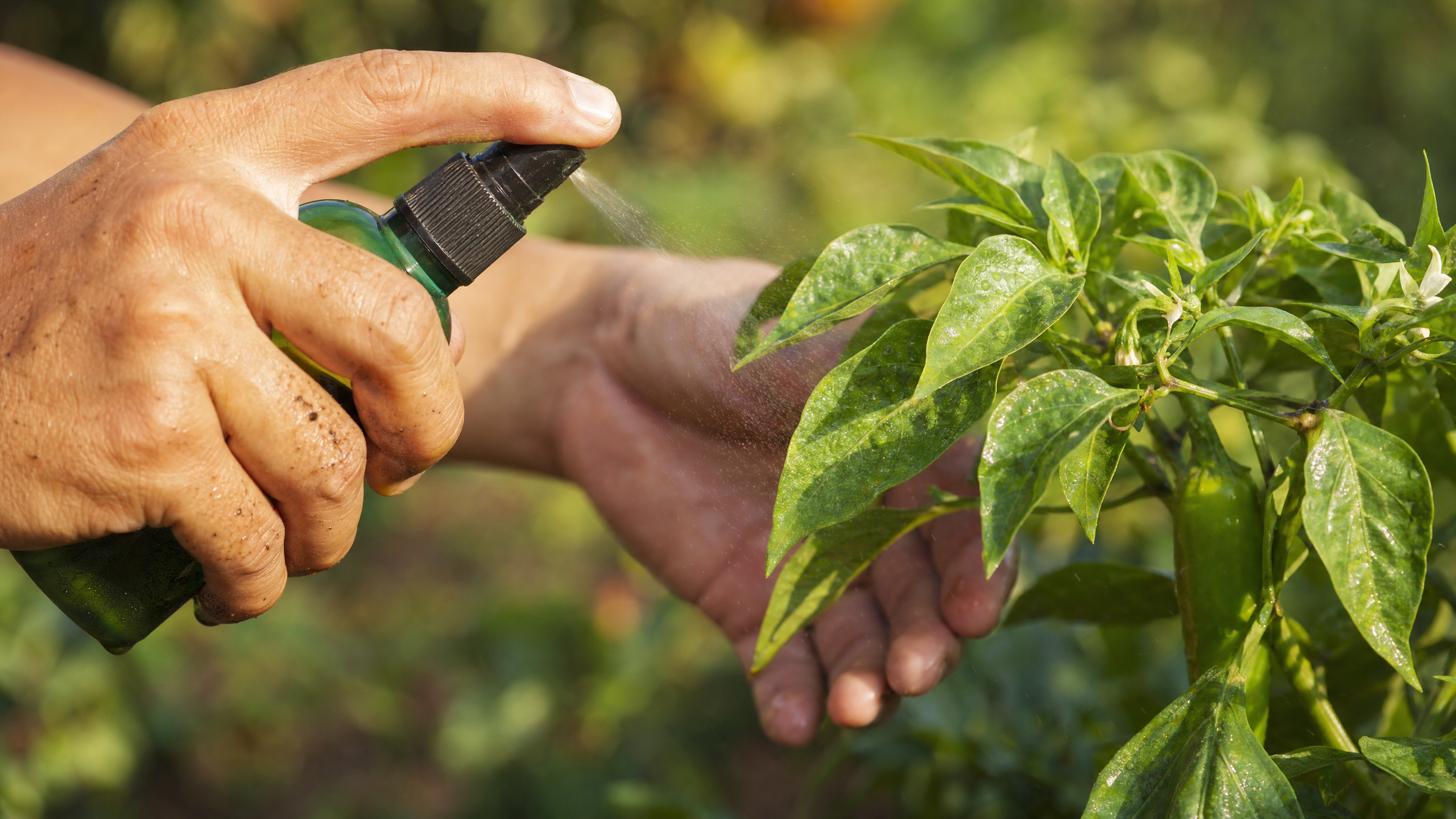
The first line of defense is a strong blast of water from your hose. This knocks aphids off the plant and most of them won't make it back. For persistent infestations, a spray of diluted neem oil is highly effective. Neem oil is an organic, plant-derived product that disrupts the aphid's life cycle without harming beneficial insects when applied correctly (always spray in the evening to protect bees). Check Price on Amazon for a concentrated neem oil that you can dilute and use throughout the season.
4. Spider Mites
Spider mites are not insects — they are tiny arachnids, and they thrive in hot, dry conditions. If your garden is going through a heat wave and you notice a fine, silvery stippling on the leaves of your tomatoes, beans, or cucumbers, spider mites are likely the culprit. In severe infestations, you'll see fine webbing on the undersides of leaves.
Spider mites hate moisture. The simplest control is to mist your plants regularly during dry spells, paying special attention to the undersides of leaves. For more serious infestations, insecticidal soap spray is very effective. It works by suffocating the mites on contact, and it breaks down quickly, leaving no harmful residue. Check Price on Amazon for a ready-to-use insecticidal soap that is safe for vegetables.
5. Cucumber Beetle
The cucumber beetle — both the striped and spotted varieties — is the bane of cucurbit growers everywhere. These small, yellow-and-black beetles chew holes in leaves and flowers, but their most serious damage is invisible: they transmit bacterial wilt, a disease that can kill an entire cucumber or squash plant within days of infection.
The best organic defense against cucumber beetles is row cover. Draping lightweight floating row cover over your cucumber and squash plants immediately after transplanting keeps the beetles off entirely. You'll need to remove the cover once the plants start flowering to allow pollination, but by then the plants are larger and more resilient. Yellow sticky traps can also help you monitor and reduce beetle populations.
Building a Pest-Resistant Garden
The best long-term strategy for managing summer pests isn't any single spray or trap — it's building a garden ecosystem that keeps pest populations in balance naturally. This means:
Encouraging beneficial insects. Ladybugs, lacewings, parasitic wasps, and ground beetles are all voracious predators of garden pests. You can attract them by planting flowers like dill, fennel, yarrow, and sweet alyssum near your vegetables. Our companion planting guide can help you plan a garden that works with nature.
Keeping plants healthy and well-fed. Stressed plants are more susceptible to pest damage. A plant that is getting the right amount of water and nutrients can often outgrow minor pest damage without intervention. If you're unsure whether your plants are getting what they need, check out our Plant This Month guide for seasonal care tips.
Rotating your crops. Many soil-dwelling pests, like cucumber beetle grubs and squash vine borer pupae, overwinter in the soil near where their host plants grew the previous year. Moving your crops to a new location each season disrupts this cycle significantly.
If you're planning out your pest management strategy for the season, our Garden Designer can help you map out crop rotations and companion planting arrangements visually. And if you need to stock up on organic pest control supplies, head over to our Shop for curated recommendations.
---
Frequently Asked Questions (FAQ)
Q: Is neem oil safe to use on vegetables I'm about to eat?
A: Yes, neem oil is considered safe for use on edible plants. However, it's best practice to wash your vegetables thoroughly before eating them. Always follow the label directions, and avoid spraying during the heat of the day or when bees are active.
Q: How do I tell the difference between pest damage and disease damage?
A: Pest damage typically shows as holes, chewed edges, or stippling on leaves, and you can often find the culprit nearby. Disease damage tends to look like spots, yellowing, wilting, or a powdery or fuzzy coating on the leaves, without any visible insects. If you're unsure, our AI Garden Chat can help you diagnose the problem from a photo.
Q: When is the best time of day to spray organic pesticides?
A: Always spray in the early morning or evening, never in the heat of the day. This protects beneficial insects like bees (which are less active at these times), prevents the spray from evaporating too quickly, and reduces the risk of leaf burn.
Q: My whole plant wilted overnight. What happened?
A: Sudden, complete wilting is often a sign of bacterial wilt (transmitted by cucumber beetles) or squash vine borer damage. Check the base of the stem for a small entry hole and frass, which indicates a vine borer. Unfortunately, once bacterial wilt takes hold, the plant usually cannot be saved and should be removed to prevent spread.
---
*Disclosure: As an Amazon Associate I earn from qualifying purchases.*
Ready to Design?
Upload a photo of your space and get beautiful, personalized design ideas in seconds.
Keep reading
Seasonal planting reminders and expert guides — free.