Blog
Thriving Summer Vegetables in Containers: A Late May Guide
Short on space? You can still grow an abundant summer harvest! Learn the secrets to successful container gardening for vegetables, from choosing the right pots to soil and watering tips.
2026-05-26
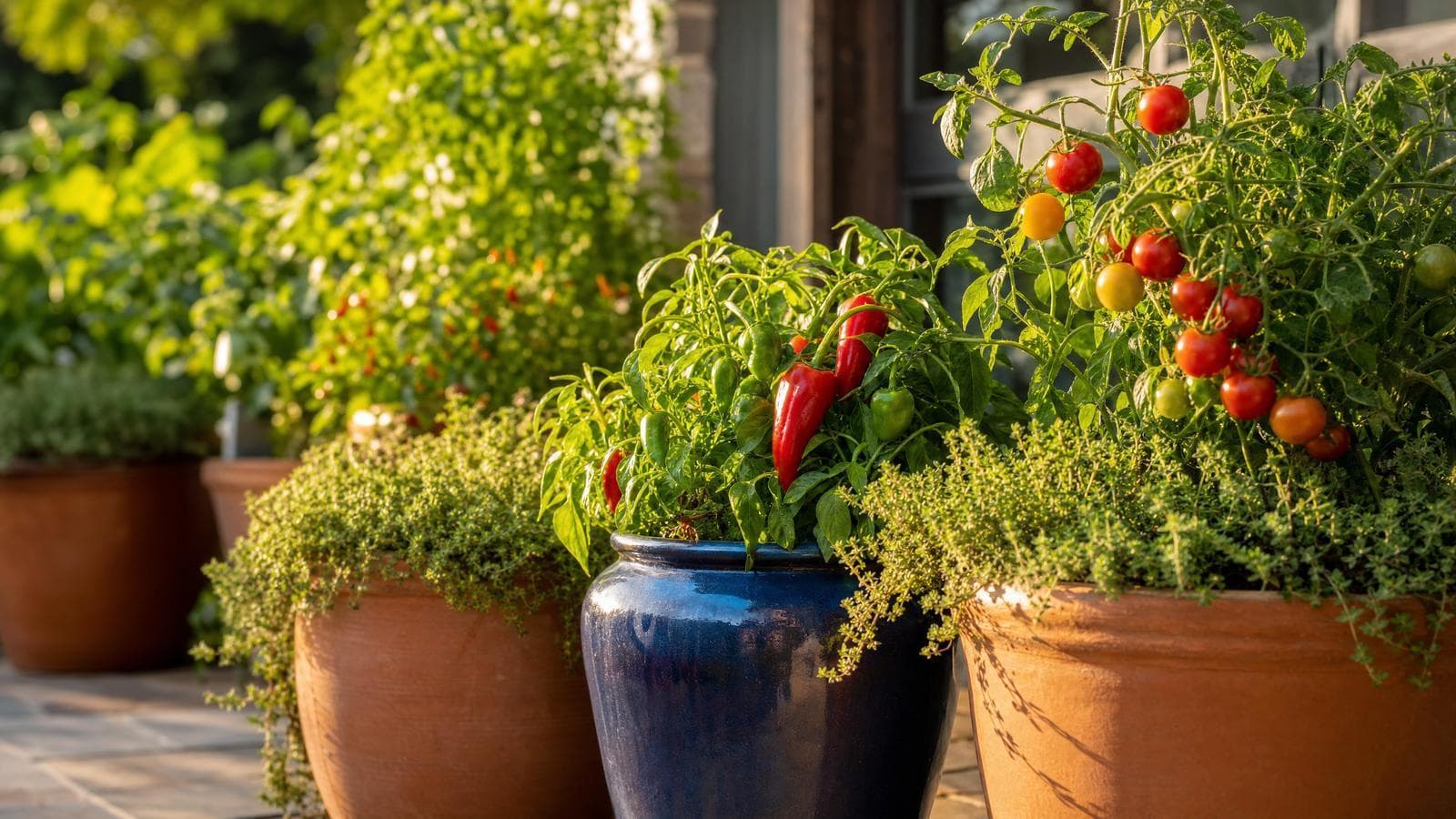
Hello, fellow gardeners! As we head into the beautiful transition from late May into June, the excitement of summer gardening is truly in the air. While many of us dream of sprawling raised beds and expansive rows of crops, the reality is that many gardeners are working with limited space—a sunny patio, a balcony, or a small deck.
But here is the fantastic news: you do not need an acre of land to grow an incredible summer harvest! Container gardening is an incredibly rewarding way to grow your own food, and right now is the perfect time to get your summer vegetable containers set up for success. Let's dive into the essential tips for growing a thriving container garden this season.
The Magic of Container Gardening
Growing vegetables in pots offers some unique advantages. You can control the soil quality perfectly, move plants to chase the sun (or protect them from severe storms), and bring the joy of gardening right to your back door. Plus, containers warm up faster than ground soil, which heat-loving summer crops absolutely adore.
However, container gardening also comes with its own set of rules. Because the plants are confined, they rely entirely on you for their food and water.
Step 1: Choosing the Right Containers
The biggest mistake I see new container gardeners make is choosing pots that are simply too small. Summer vegetables like tomatoes, peppers, and eggplants have extensive root systems and need plenty of room to grow.
* Tomatoes: Need a minimum of a 10-gallon container, but 15 to 20 gallons is much better, especially for indeterminate (vining) varieties.
* Peppers and Eggplants: Can thrive in 5 to 10-gallon pots.
* Bush Beans and Cucumbers: Do well in wide, shallow pots (at least 8-10 inches deep).
Always ensure your containers have adequate drainage holes. If water can't escape, the roots will rot, and your summer harvest will be over before it begins.
> Master Gardener Tip: Fabric grow bags are phenomenal for summer vegetables. They are lightweight, inexpensive, and provide excellent drainage and root aeration. I highly recommend picking up a set of Check Price on Amazon to get started.
Step 2: The Foundation – Premium Potting Soil
Never, ever use garden soil or topsoil in your containers. It is too heavy, will compact easily, and won't drain properly in a pot. You must use a high-quality, lightweight potting mix designed specifically for containers.
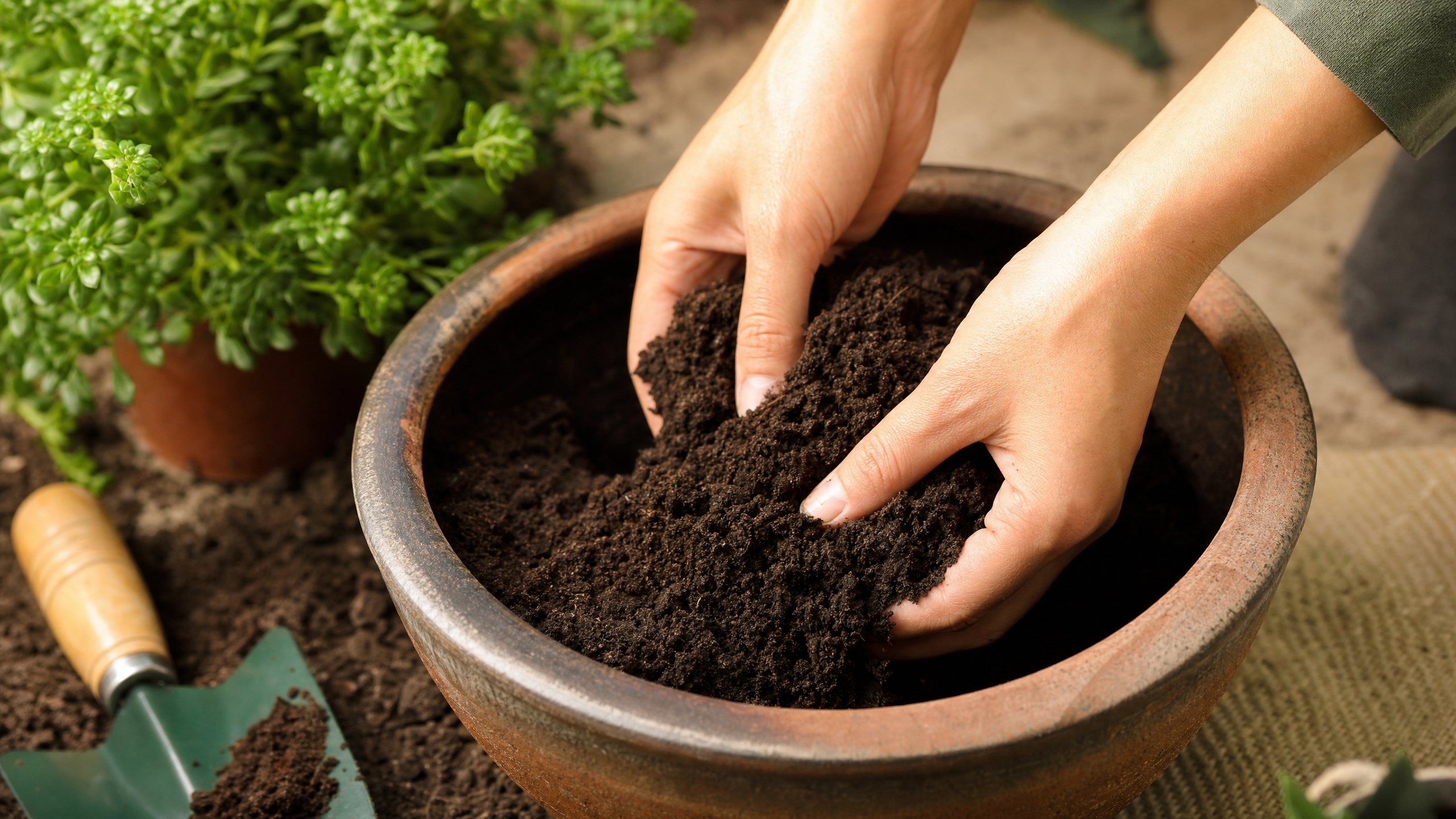
A good potting mix should contain ingredients like peat moss or coco coir (for moisture retention), perlite or vermiculite (for drainage and aeration), and compost (for nutrients).
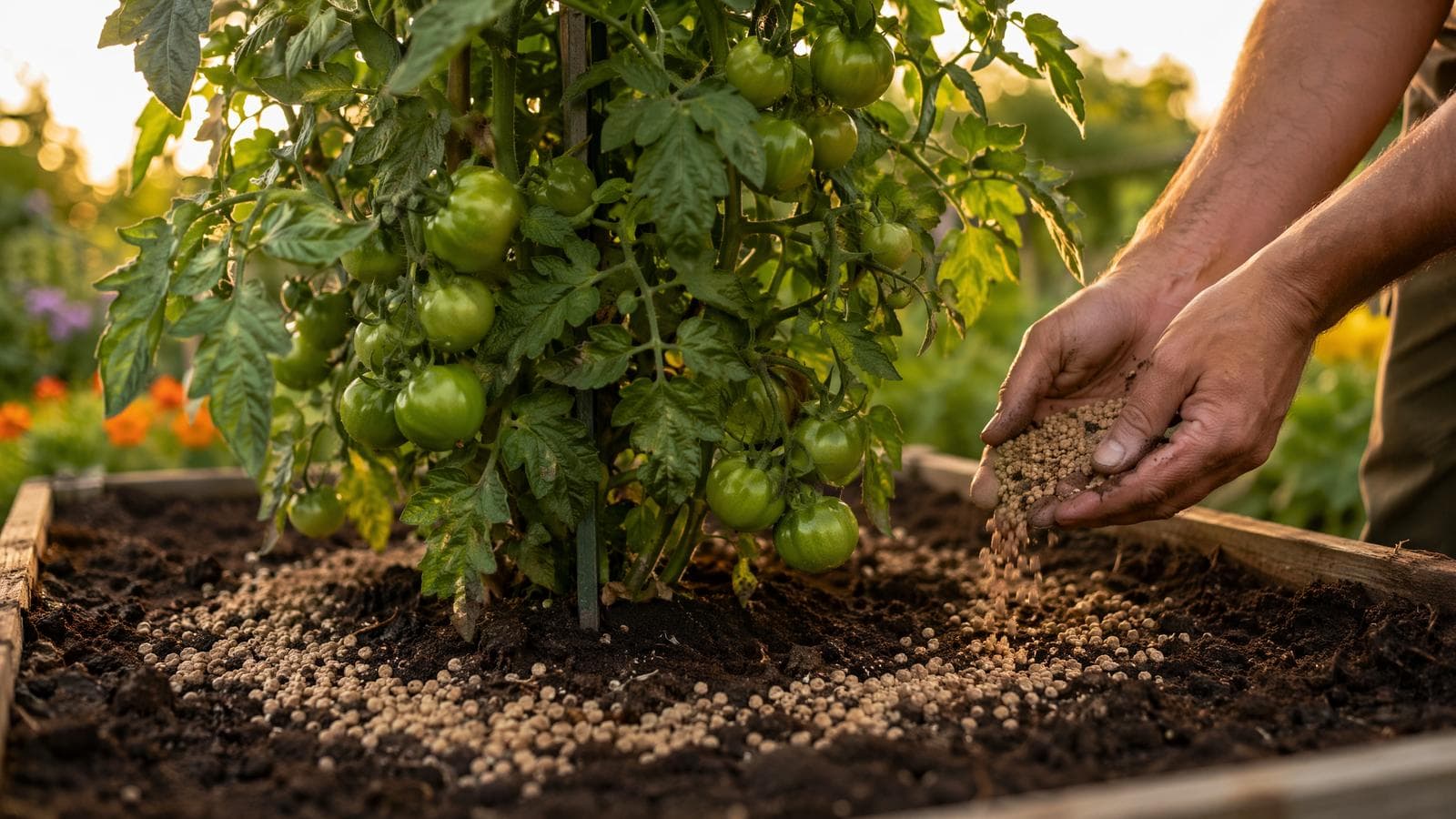
Because watering flushes nutrients out of the soil faster in containers, it's crucial to start with a nutrient-rich base. I always mix a slow-release organic granular fertilizer into the potting soil before planting. For my container tomatoes and peppers, I swear by Check Price on Amazon to ensure they have the calcium and nutrients they need for heavy fruiting.
Step 3: Watering – The Key to Container Success
Watering is the most critical aspect of container gardening. In the heat of summer, a mature tomato plant in a pot may need watering every single day, and sometimes even twice a day during heatwaves.
How to water properly:
1. Check the soil: Stick your finger about an inch or two into the soil. If it feels dry, it's time to water.
2. Water deeply: Water until you see it running out of the drainage holes at the bottom. This ensures the entire root ball is moistened.
3. Water the soil, not the leaves: Keeping the foliage dry helps prevent fungal diseases.
If you are setting up multiple containers, I strongly suggest looking into a simple drip irrigation kit. It will save you immense amounts of time and provide consistent moisture, which is the secret to preventing issues like blossom end rot in tomatoes.
Step 4: Ongoing Feeding
Even with a great potting mix and slow-release fertilizer at planting, your heavy summer feeders will likely need a mid-season boost. By mid-July, the initial nutrients in the soil will be depleted.
Plan to feed your container vegetables every 2 to 3 weeks with a water-soluble organic fertilizer, such as a fish emulsion or kelp extract, to keep them vigorous and productive right through until fall.
Need Help Planning Your Space?
If you are looking at your patio and wondering how to arrange your new container garden for maximum sun and aesthetic appeal, try out our Garden Designer tool! You can upload a photo of your space and get instant layout ideas.
And remember, if you ever have questions about what varieties grow best in pots in your specific area, our Community Chat is always open, or you can check our Plant This Month guide for timely recommendations. You can also find all my favorite container gardening supplies in our Shop.
Happy planting, and may your patios be overflowing with fresh veggies this summer!
---
Frequently Asked Questions (FAQ)
Can I reuse last year's potting soil in my containers?
It is generally best to start fresh for heavy feeders like tomatoes to prevent disease transmission and ensure adequate nutrients. However, you can revitalize old soil by mixing it 50/50 with fresh compost and adding new fertilizer, which works well for less demanding crops like herbs or greens.
Do my container vegetables need full sun?
Yes, most summer fruiting vegetables (tomatoes, peppers, cucumbers, squash) require a minimum of 6 to 8 hours of direct sunlight per day to produce a good harvest.
Why are the flowers falling off my container tomatoes without producing fruit?
This is often caused by temperature stress (too hot or too cold) or inconsistent watering. Ensure you are watering deeply and regularly, and consider providing some afternoon shade if temperatures are consistently above 90°F (32°C).
---
*As an Amazon Associate I earn from qualifying purchases.*
Ready to Design?
Upload a photo of your space and get beautiful, personalized design ideas in seconds.
Keep reading
Seasonal planting reminders and expert guides — free.