Blog
Prepping Raised Beds for Summer: Soil Amendments and Mulching Tips
Get your raised garden beds ready for the summer heat! Learn how to amend soil and apply mulch effectively to retain moisture and boost your harvest. A master gardener's guide.
2026-05-26
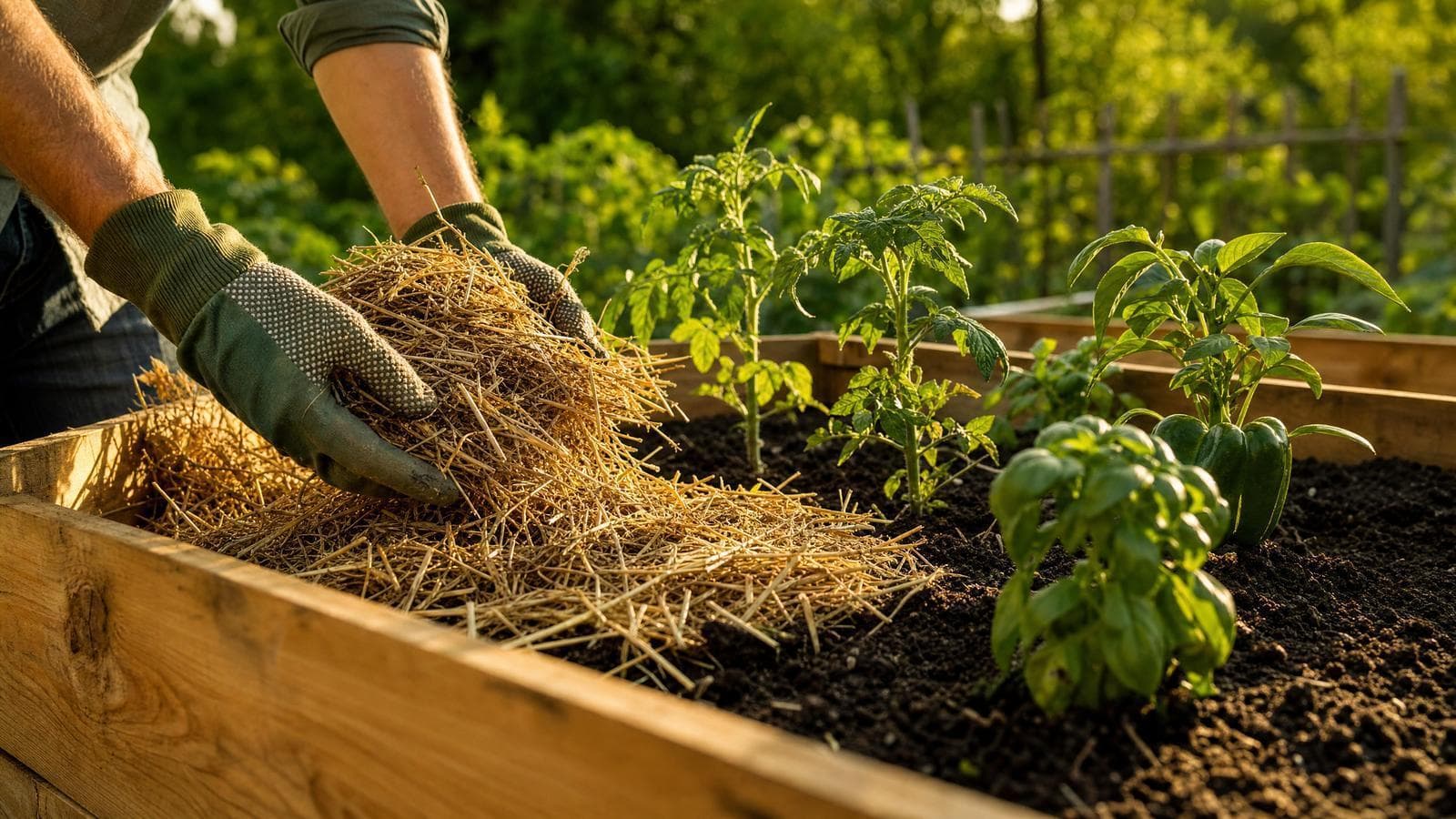
Hello, fellow gardeners! As late May transitions into June, the days are getting longer, and the sun is starting to flex its summer muscles. If you're growing in raised beds, you know they offer fantastic drainage and warm up quickly in the spring. However, those same benefits mean they can dry out fast and lose nutrients as the summer heat sets in.
Today, we're going to talk about two critical late-spring tasks that will set your raised beds up for a spectacular, low-stress summer: amending your soil and applying the right mulch. Grab your favorite gardening gloves, and let's dig in!
Why Raised Beds Need Extra Love Right Now
Raised beds are intensive growing environments. Because we plant our veggies closer together to maximize space, those plants pull a tremendous amount of nutrients from the soil. By late May, your spring crops might be finishing up, or your summer heavy feeders (like tomatoes, peppers, and squash) are just starting their rapid growth phase.
If we don't replenish the soil now, our plants will struggle right when they need energy the most to produce flowers and fruit.
Step 1: Amending the Soil for Summer Success
Before we talk about locking in moisture, we need to make sure the soil is rich and ready. Here is my go-to process for a mid-season soil boost:
Top-Dress with High-Quality Compost
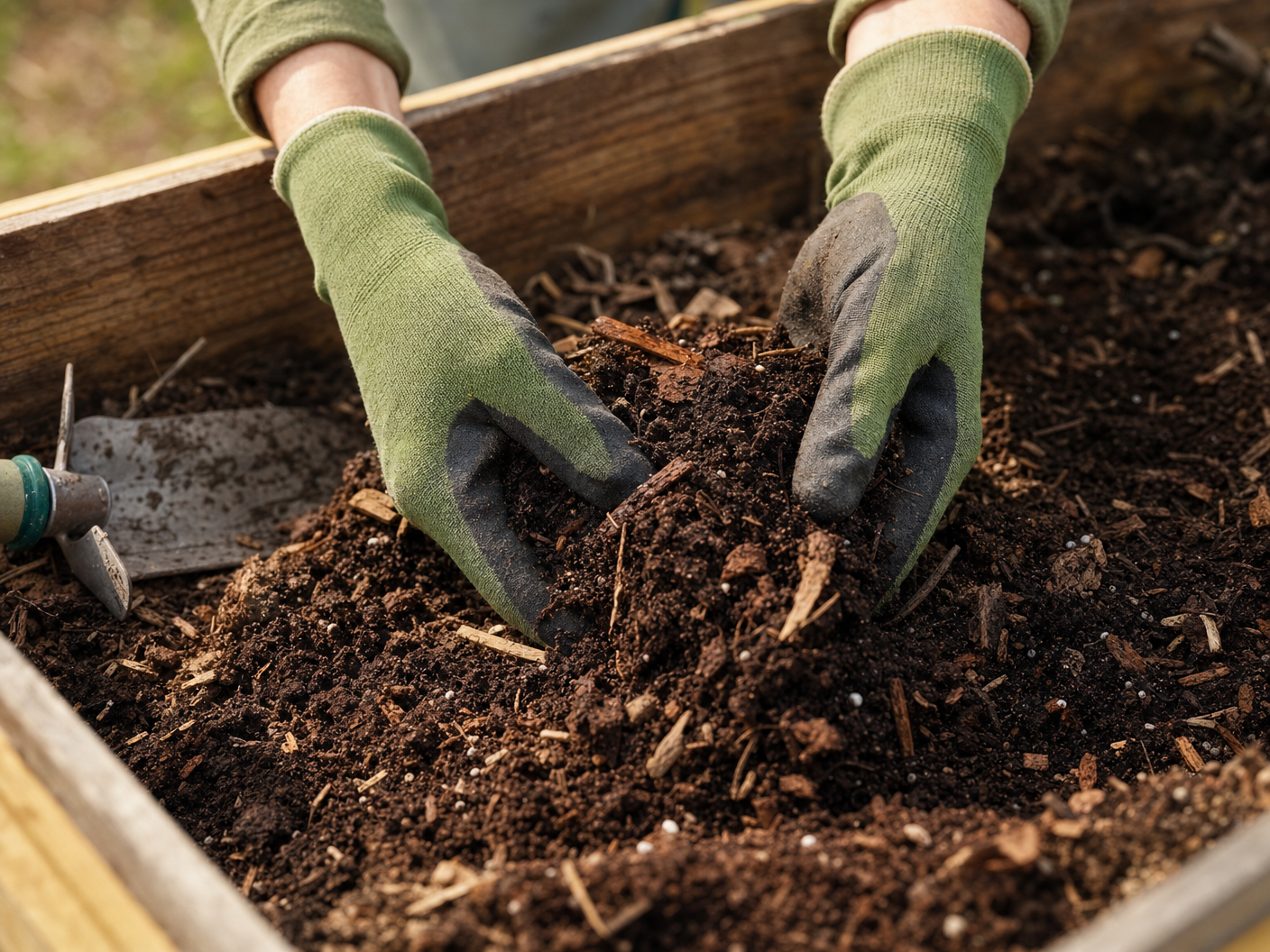
Compost is the gardener's gold. It improves soil structure, adds slow-release nutrients, and introduces beneficial microbes. I recommend adding a 1 to 2-inch layer of rich, dark compost to the top of your raised beds. You don't need to till it in deeply—just lightly work it into the top inch or two of the existing soil using a hand cultivator.
Add a Balanced Organic Fertilizer
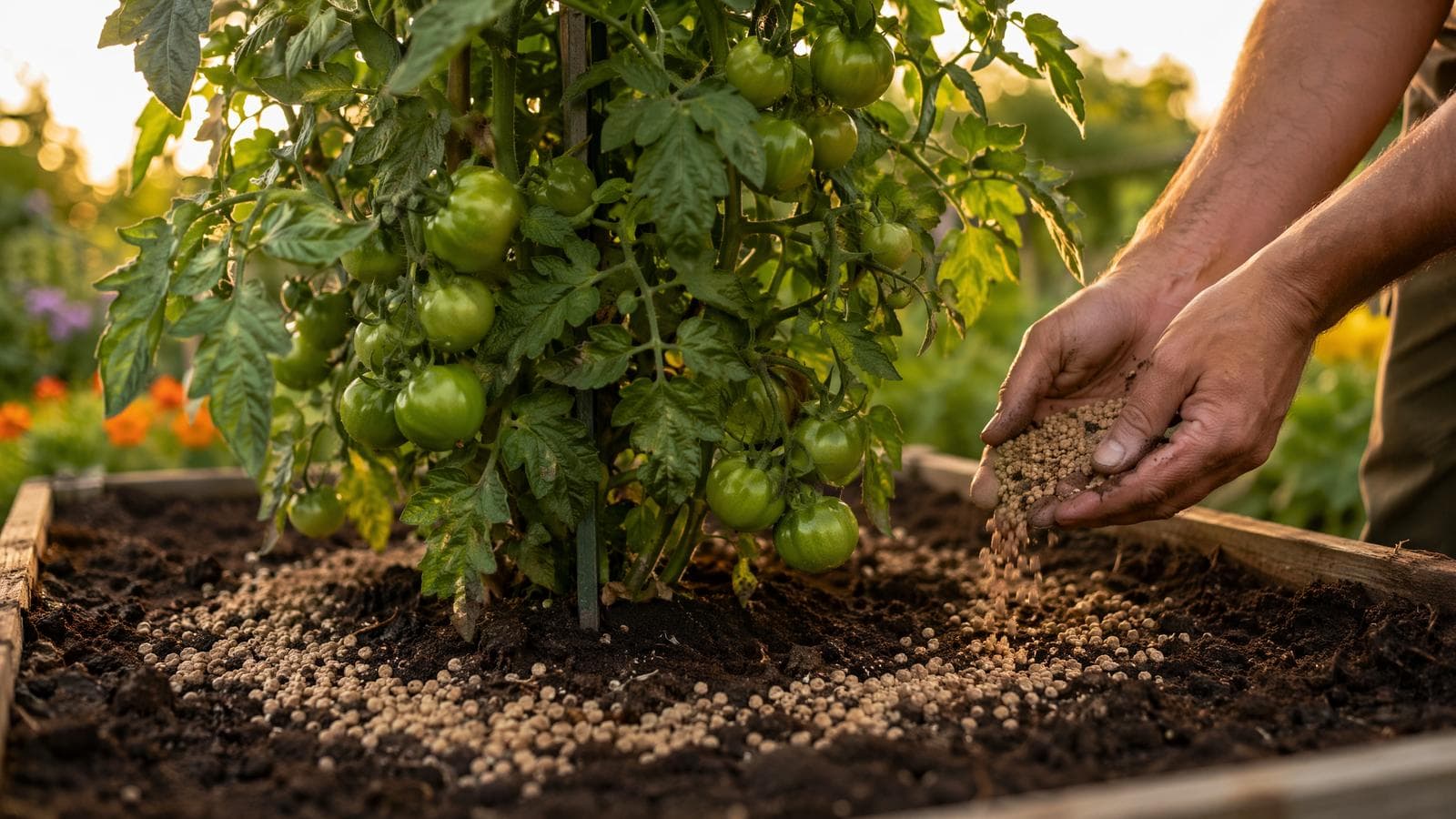
While compost is fantastic for overall soil health, heavy summer feeders usually need a little extra push. I always mix in a slow-release granular organic fertilizer when I add my compost.
If you are growing tomatoes or peppers, look for a fertilizer specifically formulated for them, as they need slightly different nutrient ratios (more phosphorus and potassium, and plenty of calcium to prevent blossom end rot).
> Master Gardener Tip: I highly recommend using Check Price on Amazon for your nightshades. It's packed with calcium and beneficial microbes.
Don't Forget the Worm Castings
If you really want to give your plants a treat, add a handful of worm castings around the base of each plant. Worm castings are incredible for root development and are immediately available to the plants without the risk of burning them.
If you need help figuring out exactly what your specific plants need this month, don't hesitate to use our Plant This Month tool or hop into our Community Chat to ask questions!
Step 2: The Magic of Summer Mulching
Once your soil is fed, it's time to protect it. Mulching is arguably the most important thing you can do for a raised bed in the summer.
The Benefits of Mulch in Raised Beds
1. Moisture Retention: Mulch acts as a lid, dramatically reducing water evaporation from the soil surface. This means less watering for you and more consistent moisture for your plants.
2. Temperature Control: A good layer of mulch keeps the soil roots cooler during the blazing afternoon sun.
3. Weed Suppression: It blocks light from reaching weed seeds, saving your back from endless weeding.
4. Soil Health: Organic mulches break down over time, continually adding organic matter back into your raised bed.
Choosing the Right Mulch
Not all mulches are created equal, especially for vegetable gardens. Here are my top picks:
* Straw: (Not hay, which contains seeds!) Straw is my absolute favorite for vegetable beds. It's light, reflects heat, breaks down nicely, and looks beautiful.
* Shredded Leaves: If you saved leaves from last fall and shredded them, they make a fantastic, free mulch.
* Pine Needles (Pine Straw): Great for acid-loving plants like strawberries or blueberries, though they break down very slowly.
*What to avoid:* I generally avoid dyed wood chips or heavy bark nuggets in my vegetable raised beds. They can tie up nitrogen as they break down and make it difficult to plant small seeds later.
How to Apply Mulch Properly
Wait until the soil has warmed up completely (late May/early June is usually perfect). Water your beds deeply *before* applying the mulch.
Spread a 2 to 3-inch layer of your chosen mulch evenly across the bed. Crucial step: Make sure to leave a small gap (about an inch) around the actual stems of your plants. Piling mulch directly against the stems can cause rot and invite pests.
If you're looking for high-quality, seed-free straw, I often use Check Price on Amazon because it's clean and easy to spread right out of the bag.
Planning Your Layout
If you are pulling out spring crops like radishes or spinach to make room for summer heat-lovers, take a moment to plan your spacing. Raised beds can get crowded quickly! If you need help visualizing your new layout, try uploading a photo of your current bed to our Garden Designer for some personalized suggestions.
Taking the time this weekend to amend your soil and lay down a thick blanket of mulch will pay off a hundredfold come July and August. Your plants will be healthier, your soil will be richer, and you'll spend less time holding a watering wand and more time harvesting.
Happy gardening!
---
Frequently Asked Questions (FAQ)
Q: Can I use grass clippings as mulch in my raised beds?
A: Yes, but with caution! Only use grass clippings if your lawn has not been treated with herbicides or pesticides. Apply them in very thin layers (1/4 inch at a time) and let them dry out before adding more, otherwise, they can mat together, get slimy, and block water from reaching the soil.
Q: How often do I need to reapply mulch?
A: Organic mulches like straw or shredded leaves will break down over the season. I usually check my mulch levels in mid-July and add another inch or two if the layer has gotten thin.
Q: Should I remove the mulch at the end of the season?
A: It depends on the mulch. Fine mulches like straw or leaves can usually be left in place to decompose over the winter or gently turned into the soil in the spring.
---
*Disclosure: As an Amazon Associate I earn from qualifying purchases. This helps support the blog and allows us to continue providing free gardening advice!* Check out our Shop for more of our favorite curated tools.
Ready to Design?
Upload a photo of your space and get beautiful, personalized design ideas in seconds.
Keep reading
Seasonal planting reminders and expert guides — free.