Blog
How to Start a Pollinator Garden This Summer
Learn how to create a vibrant pollinator garden this summer. Attract bees, butterflies, and hummingbirds with these easy, native planting tips.
2026-05-27
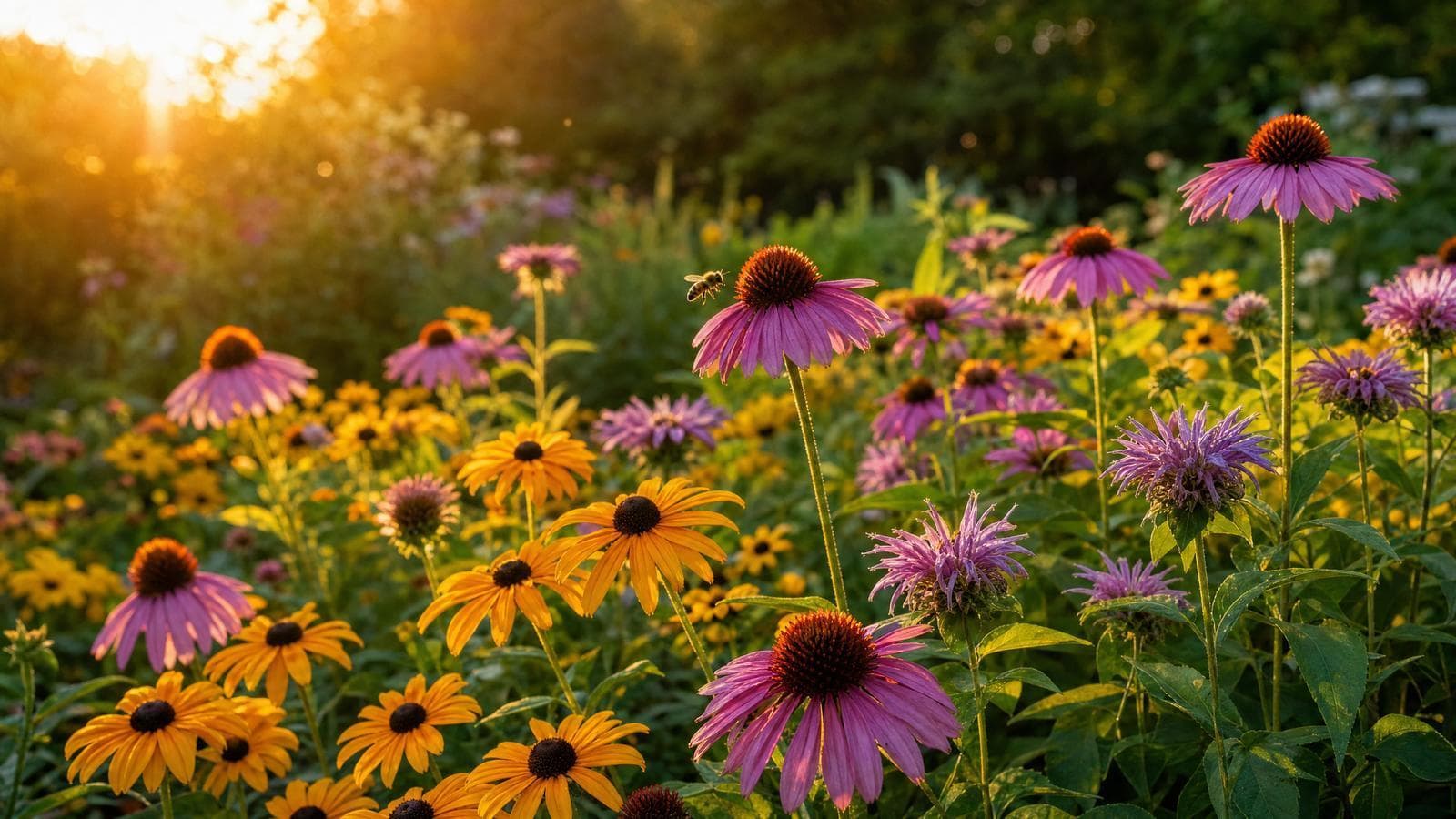
As late spring transitions into the warm, long days of summer, there is no better time to talk about one of my absolute favorite topics: pollinator gardens. If you've noticed fewer bees buzzing around your vegetable patch or simply want to bring more life and color to your yard, creating a dedicated space for pollinators is incredibly rewarding.
Starting a pollinator garden isn't just about planting pretty flowers; it's about building a vital ecosystem right in your backyard. Whether you have a sprawling lawn or a modest patio, you can make a significant impact. Let's dig into how you can start a thriving pollinator garden this summer.
Why Plant a Pollinator Garden Now?
By late May and early June, the soil has warmed up beautifully, making it the perfect time to plant heat-loving perennials and sow annual flower seeds. The pollinators—bees, butterflies, moths, and hummingbirds—are actively foraging and looking for reliable food sources to sustain them through the hot months.
By planting now, you are setting the stage for a spectacular late-summer display that will provide nectar and pollen when native food sources might become scarce. Plus, inviting these beneficial insects into your yard dramatically improves the yield of your summer vegetables like tomatoes, squash, and cucumbers.
Step 1: Choose the Right Location
Pollinators, especially butterflies, love the sun. When selecting a spot for your new garden, look for an area that receives at least six hours of direct sunlight daily. This warmth not only helps the plants thrive but also gives butterflies a place to bask and warm their wings.
If you are working with a smaller space, don't worry! A collection of large containers on a sunny balcony works wonderfully. Just ensure the area is somewhat protected from strong winds, which can make it difficult for delicate insects to land and feed.
Step 2: Select the Best Summer Flowers
The secret to a successful pollinator garden is diversity. You want to provide a buffet of different flower shapes, colors, and bloom times. Native plants are always the best choice because local pollinators have evolved alongside them and prefer them over exotic varieties.
Here are some top summer bloomers to include:
* Coneflowers (Echinacea): These are the absolute stars of the summer garden. Their large, daisy-like landing pads are perfect for butterflies, and bees love the prominent, pollen-rich center cones.
* Black-Eyed Susans (Rudbeckia): A cheerful, drought-tolerant native that provides a long season of vibrant yellow blooms.
* Bee Balm (Monarda): The name says it all! The tubular flowers of bee balm are irresistible to hummingbirds and long-tongued bees.
* Milkweed (Asclepias): If you want monarch butterflies, you *must* plant milkweed. It is the only host plant for their caterpillars.
* Lavender and Mint: While not native everywhere, these fragrant herbs are absolute magnets for honeybees and bumblebees.
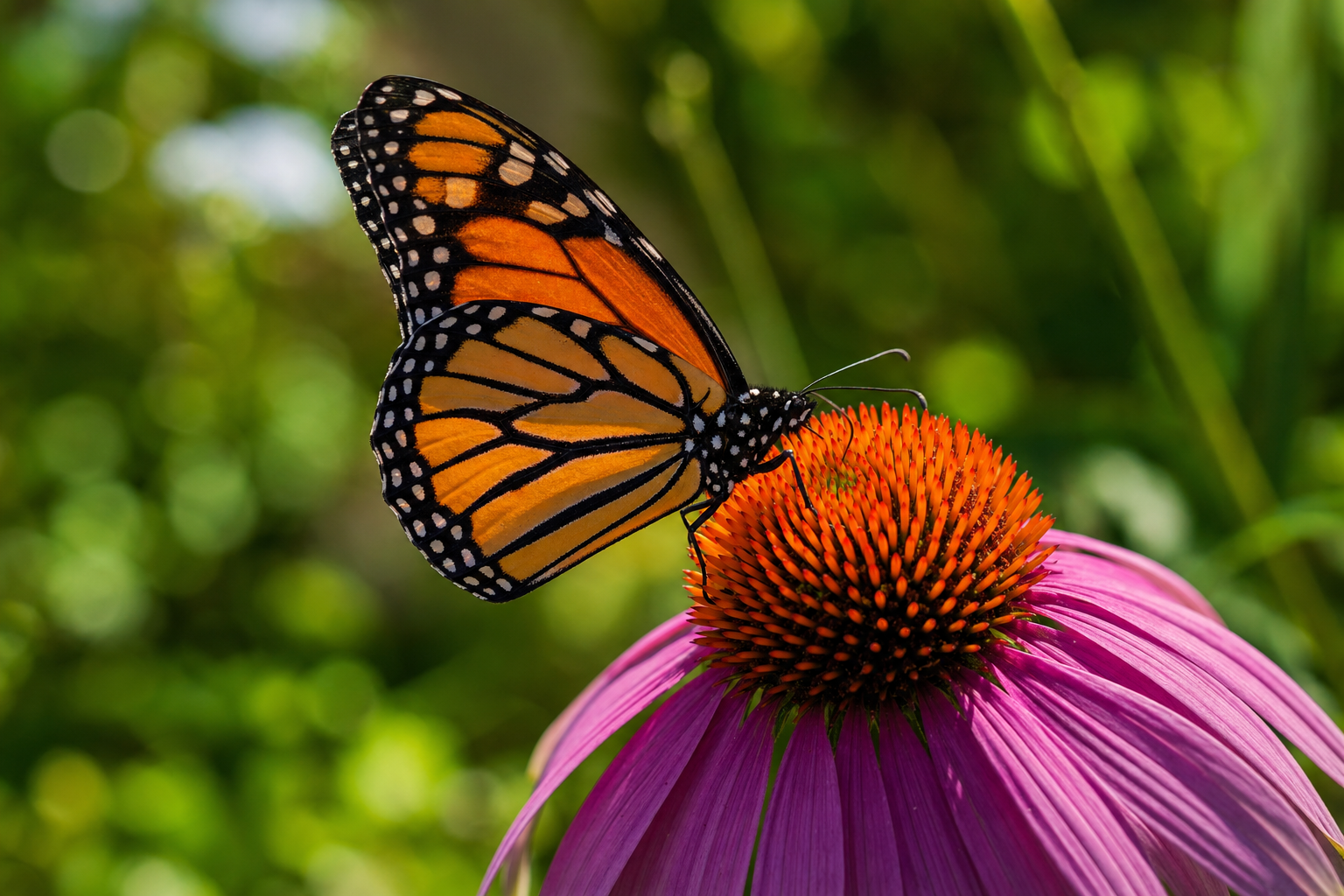
When planting, try to group the same type of flowers in clusters of three or more. This creates a larger splash of color that is easier for pollinators to spot as they fly overhead.
Step 3: Provide Water and Shelter
Food is only part of the equation. Pollinators also need water and a place to rest.
Create a Butterfly Puddling Station: Butterflies cannot drink from deep water. Instead, they gather moisture and essential minerals from shallow mud puddles. You can easily recreate this by filling a shallow dish with sand or small pebbles and keeping it just barely moist.
Offer Shelter: Leave a small pile of brush or some bare patches of soil in a quiet corner of your garden. Many native bees are ground nesters and need undisturbed soil to lay their eggs.
Step 4: Ditch the Pesticides
This is crucial: you cannot have a healthy pollinator garden if you are using broad-spectrum pesticides. These chemicals do not discriminate between the aphids you want to kill and the ladybugs and bees you want to save.
Instead, focus on building healthy soil and encouraging beneficial predators. If you have a severe pest outbreak, opt for targeted, organic solutions like insecticidal soap or neem oil, and always apply them late in the evening when pollinators are less active.
> Master Gardener Tip: A great tool for keeping your new garden watered without constantly running the hose is a soaker hose. It delivers water right to the roots where it's needed, keeping the foliage dry and preventing fungal issues. I recommend the Check Price on Amazon for easy, efficient watering.
Maintaining Your Pollinator Paradise
Once your garden is planted, maintenance is relatively simple.
1. Water deeply: During the hottest parts of summer, ensure your new plants get a deep soaking once or twice a week to establish strong roots.
2. Deadhead (sometimes): Snip off faded blooms on plants like zinnias to encourage more flowers. However, leave the seed heads on coneflowers and sunflowers as they provide excellent food for birds in the fall.
3. Observe and enjoy: The best part of a pollinator garden is watching it come alive. Grab a cup of coffee in the morning and see who is visiting!
If you want to attract even more hummingbirds, adding a dedicated feeder is a wonderful idea. I use the Check Price on Amazon because it's incredibly easy to clean and the built-in ant moat actually works.
Need Help Designing Your Space?
If you are unsure where to place your new pollinator patch, try out our Garden Designer tool! Upload a photo of your yard, and get instant, tailored layout ideas.
For questions about which native plants are best for your specific region, jump into our Community Chat, or browse our Shop for our favorite pollinator-friendly seed mixes. You can also check our Plant This Month guide to see what else you should be sowing right now.
Happy gardening, and thank you for helping our essential pollinators!
---
Frequently Asked Questions (FAQ)
Do I need a huge yard to have a pollinator garden?
Not at all! Even a few pots on a balcony filled with nectar-rich flowers like zinnias, lantana, or dwarf lavender can provide a valuable pit stop for traveling pollinators.
Why are bees ignoring my flowers?
Many modern, highly hybridized flowers have been bred for complex, double blooms at the expense of nectar and pollen. Stick to single-bloom varieties and native plants, which are much more accessible and nutritious for insects.
How do I keep mosquitoes out of my butterfly puddling station?
The key is to keep the sand or pebbles moist, not standing in a pool of water. Mosquitoes need standing water to lay their eggs. If you accidentally add too much water, simply tip it out.
---
*As an Amazon Associate I earn from qualifying purchases.*
Ready to Design?
Upload a photo of your space and get beautiful, personalized design ideas in seconds.
Keep reading
Seasonal planting reminders and expert guides — free.