Blog
How to Grow Hot Peppers: A Beginner's Guide to Jalapeños, Cayennes, and More
Ready to grow your own jalapeños, cayennes, and chili peppers this summer? This master gardener guide covers everything from planting and care to harvesting a fiery, flavorful crop.
2026-05-28
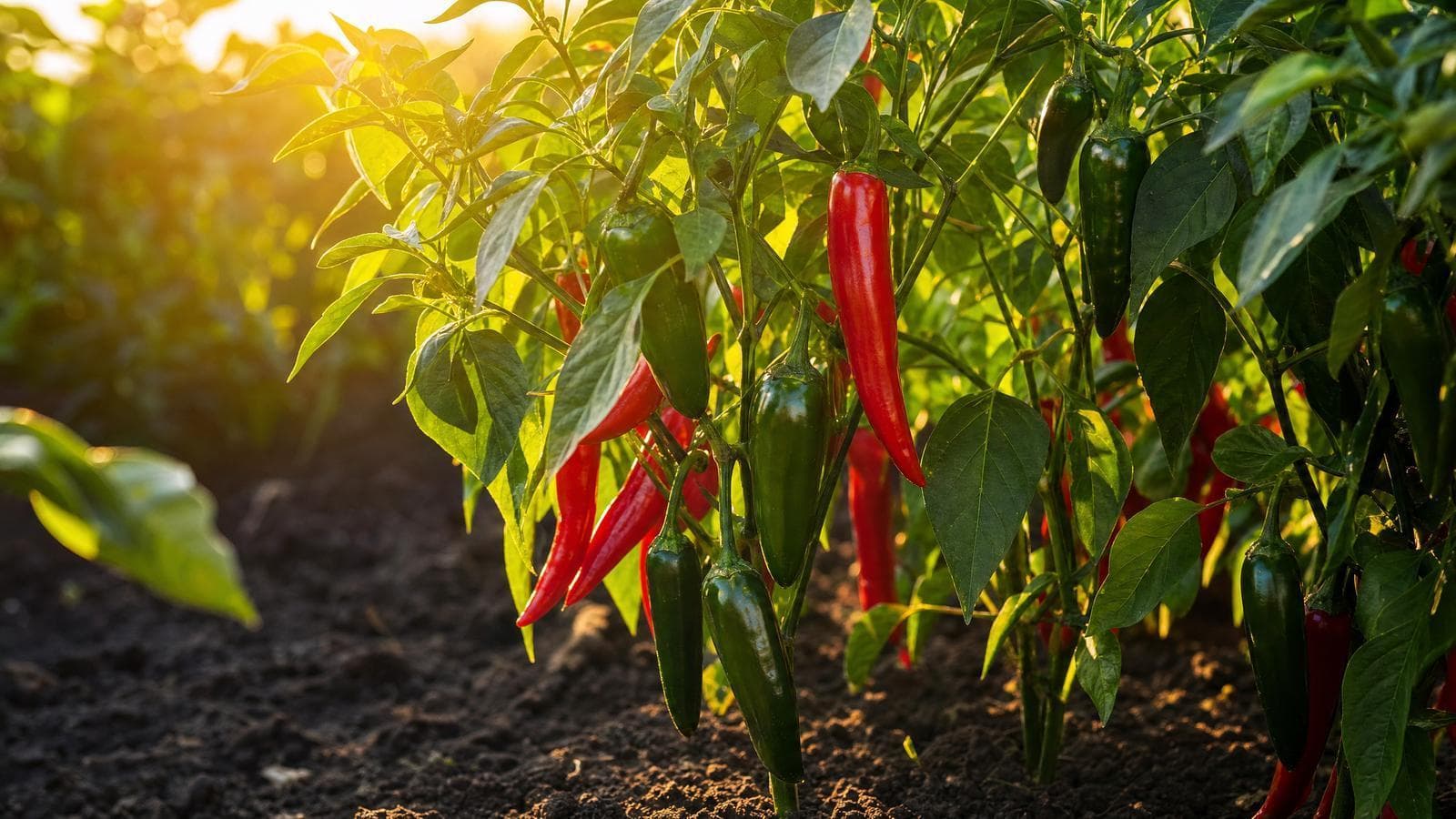
Hello, spice lovers! If you have ever bitten into a jalapeño popper made with peppers from your own garden, you know there is absolutely nothing like it. Homegrown hot peppers are more flavorful, more aromatic, and — let's be honest — far more satisfying than anything you'll find at the grocery store.
The great news is that late May and early June is the perfect time to get hot pepper transplants in the ground. The soil is warm, the nights are mild, and these sun-loving plants are ready to thrive. Whether you want a mild jalapeño for salsas, a fiery cayenne for drying and grinding, or a superhot habanero for the truly adventurous, growing your own hot peppers is one of the most rewarding things you can do in the summer garden.
Today, I'm going to walk you through everything you need to know to grow a spectacular hot pepper crop this season.
Why Hot Peppers Are Perfect for the Home Garden
Hot peppers are, in many ways, the ideal home garden vegetable. They are compact enough to grow in containers on a patio, incredibly productive (a single plant can produce dozens of peppers), and they are remarkably drought-tolerant once established. Unlike tomatoes, which demand constant attention, hot peppers are relatively low-maintenance. Give them sun, warmth, and a little food, and they will reward you generously.
From a culinary standpoint, the variety available to home gardeners is staggering. You can grow peppers that simply aren't available in stores — rare heirlooms, unusual colors, and specific heat levels that let you customize your cooking like never before.
Choosing the Right Hot Pepper Varieties
The world of hot peppers is vast and wonderful. Here is a quick guide to some of the most popular and beginner-friendly varieties:
| Variety | Heat Level (Scoville) | Best Use |
|---|---|---|
| Jalapeño | 2,500 – 8,000 | Salsas, pickling, poppers |
| Serrano | 10,000 – 23,000 | Fresh salsas, hot sauces |
| Cayenne | 30,000 – 50,000 | Drying, grinding, hot sauce |
| Thai Chili | 50,000 – 100,000 | Asian cooking, stir-fries |
| Habanero | 100,000 – 350,000 | Fruity, extreme heat |
| Poblano | 1,000 – 2,000 | Stuffing, roasting (mild) |
For beginners, I always recommend starting with jalapeños. They are forgiving, productive, and incredibly versatile in the kitchen. The 'Early Jalapeño' variety is a particular favorite of mine because it matures faster than standard types — great for gardeners in shorter-season climates.
Planting Hot Peppers: What You Need to Know
Timing and Temperature
Hot peppers are heat lovers above all else. They will simply sit and sulk in cold soil, making no growth at all. The most important rule is to wait until your soil temperature has reached at least 65°F (18°C) before transplanting. In most of the country, late May through early June is the sweet spot.
If you are starting from seed (which I highly recommend for rare varieties), you should have started them indoors 8–10 weeks before your last frost date. If you missed that window, don't worry — you can find excellent transplants at your local nursery right now.
Soil and Site Selection
Hot peppers need full sun — at least 6 to 8 hours of direct sunlight per day. More sun equals more heat in the fruit, so if you want truly fiery peppers, give them your sunniest spot.
For soil, peppers prefer a well-draining, slightly acidic soil with a pH between 6.0 and 6.8. If you are planting in raised beds (which I love for peppers), amend your soil with plenty of compost before planting. If your native soil is heavy clay, consider growing in containers or raised beds to ensure good drainage.
Spacing and Planting Depth
Space your pepper transplants 18 to 24 inches apart. Unlike tomatoes, you do not need to bury the stem deep — plant them at the same depth they were growing in their nursery pot. Water them in well with a diluted liquid fertilizer to help them settle in and reduce transplant shock.
Caring for Your Hot Pepper Plants All Summer
Watering
Hot peppers are more drought-tolerant than most vegetables, but consistent moisture is still important, especially when the plants are flowering and setting fruit. Inconsistent watering — periods of drought followed by heavy watering — can cause blossom drop, where the flowers fall off before setting fruit. Aim for about 1 inch of water per week, applied deeply and consistently.
A layer of organic mulch around the base of your plants will help retain soil moisture and keep the roots cool. I recommend a 2–3 inch layer of straw or shredded wood chips.
Fertilizing
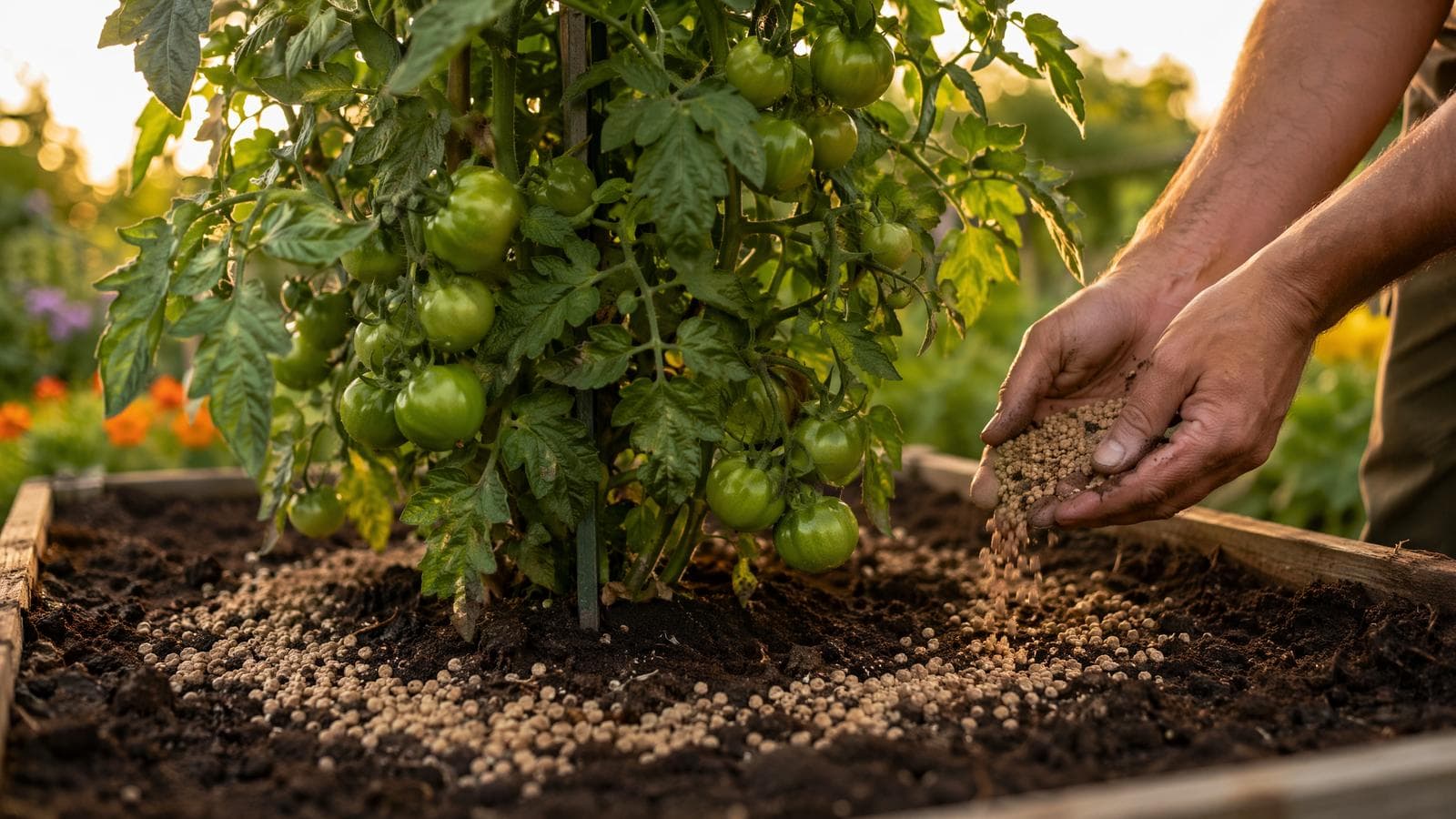
Peppers are moderate feeders. At planting time, I work a slow-release granular fertilizer into the soil. Once the plants begin to flower, I switch to a low-nitrogen, higher-phosphorus formula to encourage fruiting rather than leafy growth. A product like a 5-10-10 blend works beautifully at this stage.
Check Price on Amazon — Espoma Tomato-tone Organic Fertilizer
Supporting Your Plants
Most hot pepper varieties don't need staking, but if you are growing in a windy spot or if your plants become heavily loaded with fruit, a simple bamboo stake and some garden twine will keep them upright.
Check Price on Amazon — Bamboo Garden Stakes
Harvesting Hot Peppers
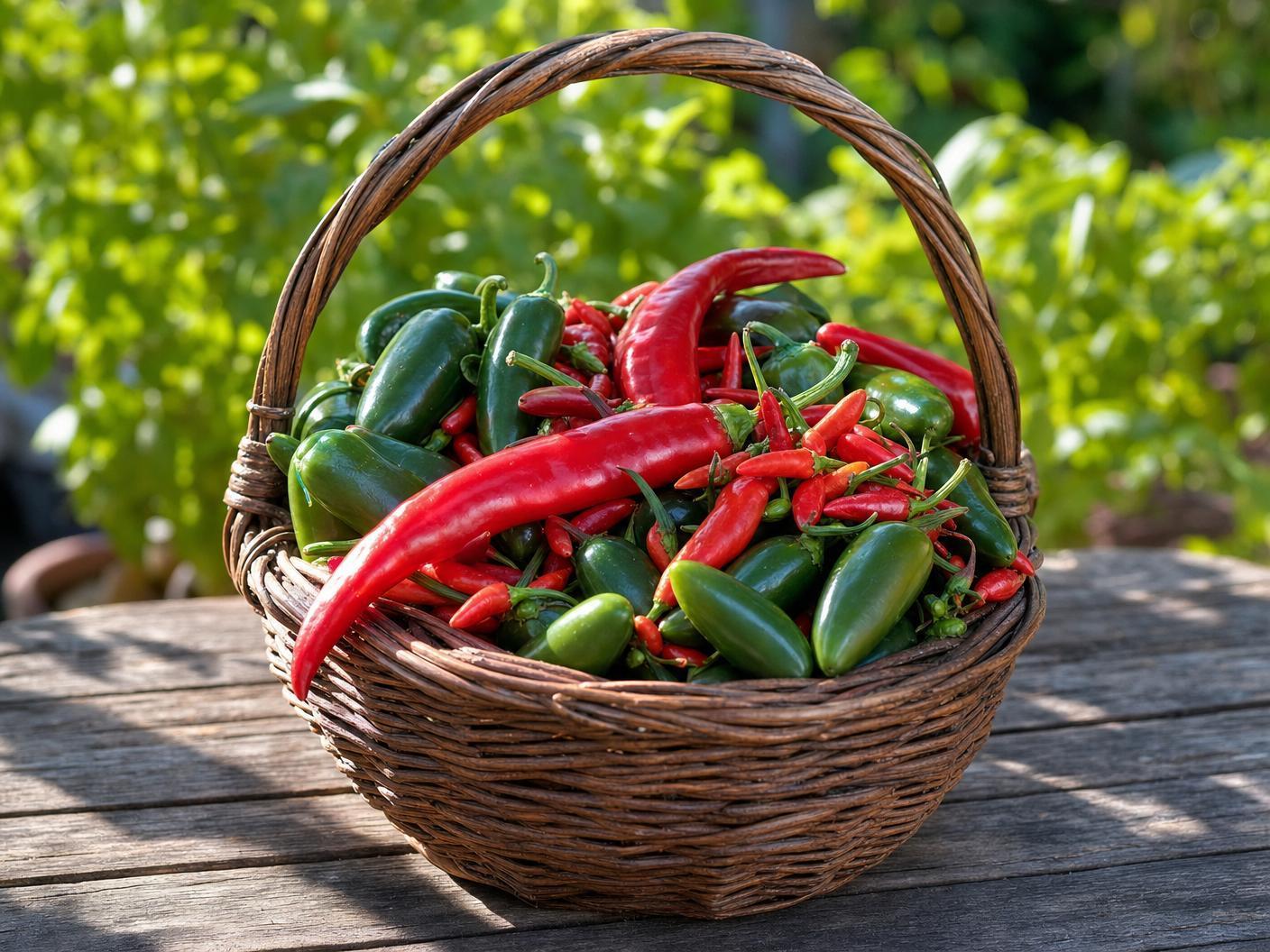
This is the fun part! Most hot peppers can be harvested at any stage of maturity. Jalapeños are commonly picked green, but if you leave them on the plant, they will eventually turn red and become slightly sweeter and hotter. Cayennes are typically harvested when fully red.
The general rule is: the longer you leave a pepper on the plant, the hotter it gets. This is because capsaicin (the compound responsible for heat) continues to develop as the fruit matures.
Use a sharp pair of pruning snips to harvest your peppers, cutting the stem rather than pulling the pepper off. Pulling can damage the plant's branches.
Check Price on Amazon — Fiskars Micro-Tip Pruning Snips
Important: Always wear gloves when handling hot peppers, especially habaneros and hotter varieties. The capsaicin oils can cause a painful burning sensation if you touch your eyes or face after handling them.
What to Do With Your Harvest
The abundance from even a few hot pepper plants can be overwhelming in the best possible way! Here are some ideas:
- Fresh use: Add to salsas, stir-fries, tacos, and eggs.
- Pickling: Quick-pickled jalapeños are incredibly easy and last for weeks in the refrigerator.
- Drying: Cayennes and Thai chilies dry beautifully. Simply string them together and hang them in a warm, dry place for a few weeks.
- Freezing: Whole peppers freeze well and can be used directly from frozen in cooked dishes.
- Hot sauce: Blend ripe peppers with vinegar, garlic, and salt for a simple, delicious homemade hot sauce.
If you are wondering where to fit your hot pepper plants in your garden layout, try our Garden Designer tool to plan the perfect sunny spot. Not sure which varieties are right for your growing zone? Ask our AI Garden Chat for personalized recommendations! And for all your gardening supplies, visit our Shop or check out our Plant This Month guide to see what else you should be planting right now.
Happy growing — and may your harvest be gloriously, deliciously hot!
---
Frequently Asked Questions (FAQ)
Q: Can I grow hot peppers in containers?
A: Absolutely! Hot peppers are excellent container plants. Choose a pot that is at least 12 inches in diameter and has good drainage holes. Use a high-quality potting mix and be prepared to water and fertilize more frequently than in-ground plants.
Q: Why are my pepper flowers dropping off without setting fruit?
A: Blossom drop is most commonly caused by temperature extremes (nights below 55°F or days above 95°F), inconsistent watering, or too much nitrogen fertilizer. Try to maintain consistent moisture and avoid over-fertilizing with nitrogen once the plants are flowering.
Q: How do I know when a jalapeño is ready to pick?
A: Jalapeños are ready to harvest when they are firm, glossy, and have reached their full size (typically 2–3 inches long). You may also notice small brown lines or "corking" on the skin, which is a sign of a mature, flavorful pepper. You can pick them green or leave them to turn red — both are delicious!
Q: Do hot peppers need a lot of water?
A: They need consistent moisture but are more drought-tolerant than tomatoes. Water deeply once or twice a week, and use mulch to retain soil moisture between waterings.
---
*Disclosure: As an Amazon Associate I earn from qualifying purchases.*
Ready to Design?
Upload a photo of your space and get beautiful, personalized design ideas in seconds.
Keep reading
Seasonal planting reminders and expert guides — free.