Blog
How to Grow Okra in Your Summer Vegetable Garden
Okra is one of the most rewarding summer vegetables you can grow. Learn how to plant, care for, and harvest okra for a bumper crop all season long.
2026-05-29
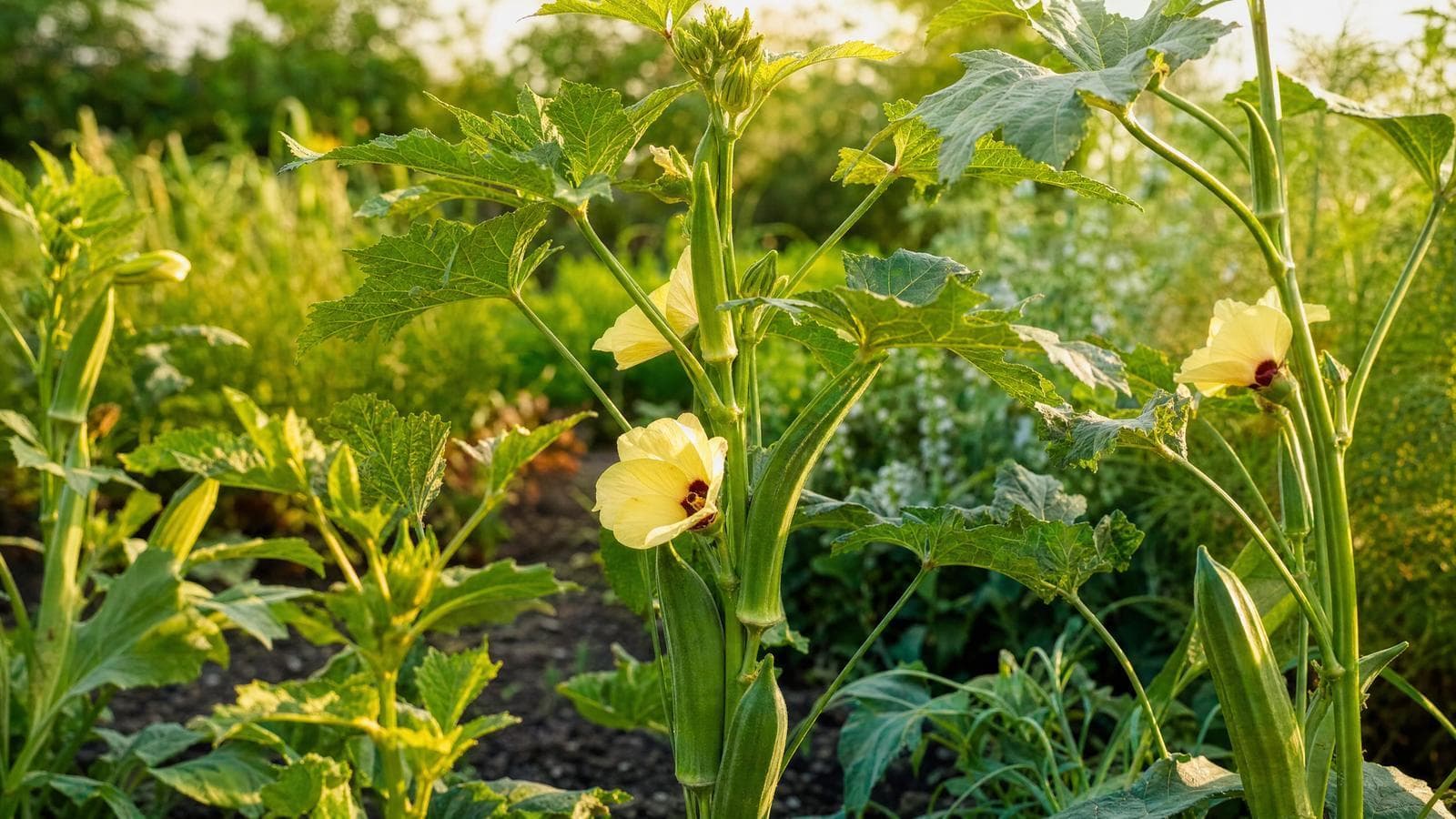
If there is one vegetable that absolutely thrives when the rest of your garden is wilting in the summer heat, it is okra. This magnificent, tropical plant loves hot weather, produces gorgeous hibiscus-like flowers, and rewards you with a steady stream of tender pods from midsummer all the way through fall. If you have never grown okra before, this summer is the perfect time to start.
I'll be honest — I was a late convert to okra. For years I thought of it as a Southern specialty, something for gumbo and not much else. Then I grew my first plant, watched those stunning yellow blooms open every morning, and tasted a freshly harvested pod roasted with olive oil and garlic. I have never looked back. Whether you are in the Deep South, the Midwest, or anywhere with a warm summer, okra deserves a spot in your garden.
Why Okra Is a Summer Garden Superstar
Okra (*Abelmoschus esculentus*) is a member of the mallow family, making it a relative of hibiscus and hollyhock. This heritage gives it an incredible tolerance for heat and humidity that most other vegetables simply cannot match. While your lettuce bolts and your spinach gives up in July, okra is just hitting its stride.
Beyond its heat tolerance, okra is remarkably productive. A single plant can produce dozens of pods over a long season, and the more you harvest, the more it produces. It is also packed with nutritional value — rich in fiber, vitamin C, folate, and antioxidants. And of course, that natural thickening quality makes it irreplaceable in soups and stews.
Choosing the Right Okra Variety
There are more okra varieties than most gardeners realize, and choosing the right one can make a big difference in your experience.
* Clemson Spineless 80: This is the classic, and for good reason. It is an All-America Selections winner, produces abundantly, and as the name suggests, the pods are nearly spineless — much easier to handle at harvest. This is the variety I recommend for beginners.
* Burgundy: A stunning ornamental variety with deep red stems and pods. It is a bit slower to produce than Clemson Spineless, but the visual impact in the garden is extraordinary.
* Jambalaya: A compact, dwarf variety that tops out at just 3 to 4 feet, making it perfect for smaller gardens or even large containers.
* Star of David: An heirloom variety with fat, round pods that have a rich, nutty flavor. The pods need to be harvested very young to stay tender.
For most backyard gardeners, Clemson Spineless 80 seeds are widely available and a reliable choice.
When and How to Plant Okra
Timing is everything with okra. This plant is extremely sensitive to cold, and it will sulk and stall if you put it in the ground too early. The soil temperature must be at least 65°F, and ideally 70°F or warmer, before you plant. In most of the country, that means waiting until late May or early June — which is right now!
Direct sowing vs. transplanting: Okra has a long taproot and does not love being transplanted. Direct sowing into the garden is preferred. However, if you are in a shorter-season climate, you can start seeds indoors 3 to 4 weeks before your last frost date in biodegradable peat pots that can be planted directly into the ground without disturbing the roots.
A trick to speed up germination: Okra seeds have a hard seed coat that can slow germination. To get them sprouting in just a few days rather than a week or more, soak the seeds in warm water for 12 to 24 hours before planting. Some gardeners also lightly nick the seed coat with a nail file (a process called scarification) to help moisture penetrate.
Planting depth and spacing: Sow seeds about 1 inch deep. Space plants 12 to 18 inches apart in rows that are 3 feet apart. Okra plants get large — often 5 to 6 feet tall — so give them room to breathe.
Soil, Sun, and Water Requirements
Okra is not particularly fussy, but it does have a few non-negotiable requirements.
Full Sun: Okra needs at least 6 to 8 hours of direct sunlight per day. In a shady spot, it will grow slowly and produce very little. Give it your sunniest bed.
Well-Drained Soil: While okra is drought-tolerant once established, it does not like to sit in waterlogged soil. Amend heavy clay soils with compost to improve drainage before planting.
Moderate Watering: Water deeply once or twice a week rather than shallow daily watering. Once the plants are established and the summer heat is in full swing, they are remarkably drought-tolerant compared to most vegetables. However, consistent moisture during flowering and pod development will give you the best yields.
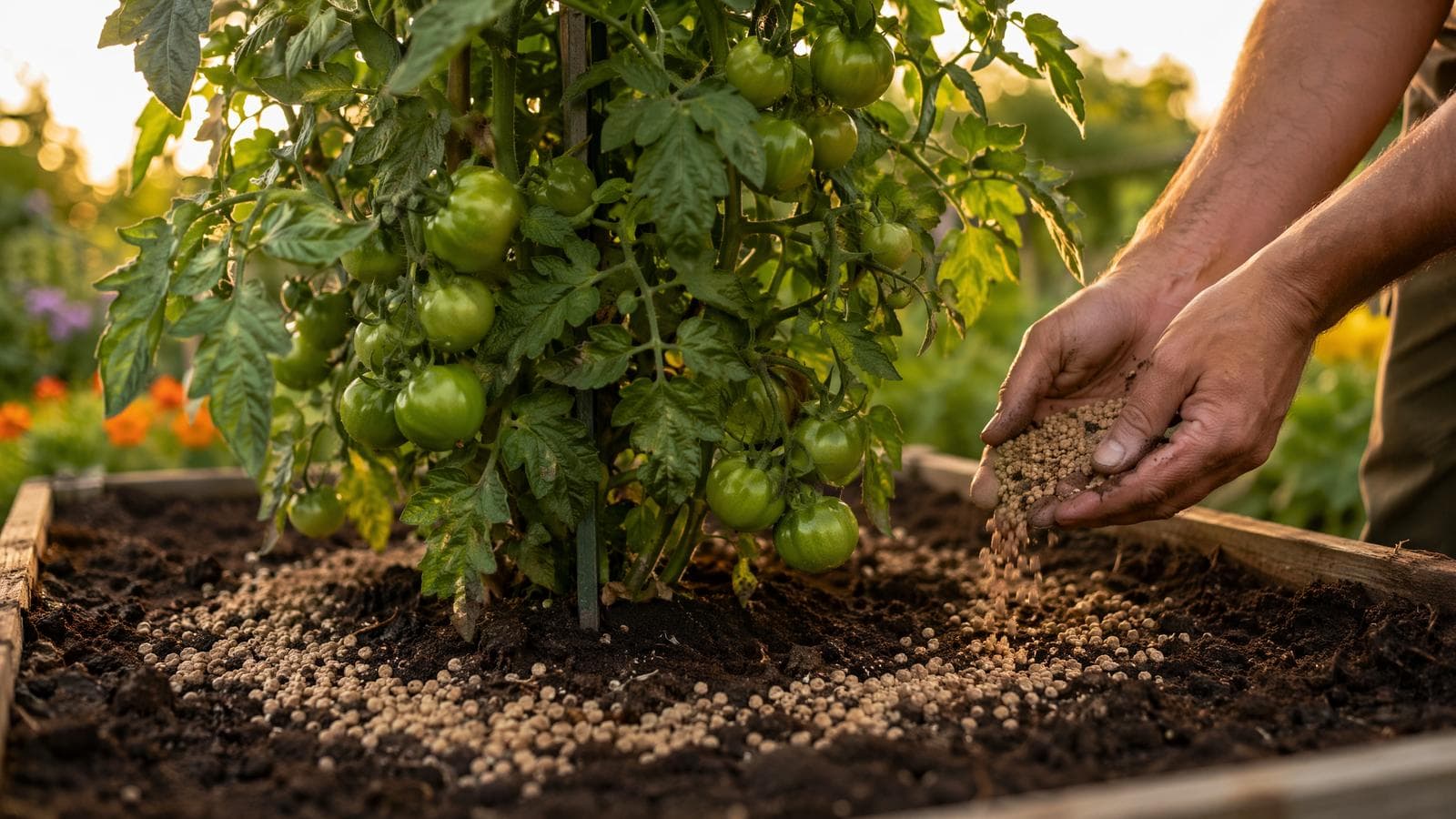
Fertilizing: Okra is a moderate feeder. Work a balanced granular fertilizer or a generous layer of compost into the soil at planting time. Once the plants begin flowering, a side dressing of a low-nitrogen fertilizer (too much nitrogen encourages leafy growth at the expense of pods) will keep them producing all season.
Caring for Your Okra Plants Through Summer
Once your okra is established and the summer heat kicks in, it essentially takes care of itself. Here are the key maintenance tasks to keep in mind:
* Mulching: Apply a 2 to 3 inch layer of organic mulch around the base of the plants to conserve moisture and suppress weeds. This is especially important during heat waves.
* Staking: In windy areas, tall okra plants can be top-heavy. A simple bamboo stake and a loose tie will keep them upright.
* Pest Watch: Okra is relatively pest-resistant, but keep an eye out for aphids (especially on young plants), corn earworm, and stink bugs. A strong spray of water from the hose handles most aphid infestations. For more persistent pests, neem oil is an excellent organic option.
The Most Important Rule: Harvest Often
This is the single most critical piece of advice for growing okra: harvest your pods when they are small and tender, and harvest them often.
Okra pods grow incredibly fast in the summer heat — a pod that is perfectly sized today can be tough and woody in just two or three days. Check your plants every single day during peak production. Harvest pods when they are 2 to 4 inches long. At this size, they are tender, flavorful, and have a pleasant, mild taste.
If you let pods get too large (over 5 or 6 inches), they become fibrous and unpleasant to eat. Even worse, leaving large pods on the plant signals it to slow down production. Remove any oversized pods immediately, even if you don't plan to eat them, to keep the plant focused on producing new flowers and pods.
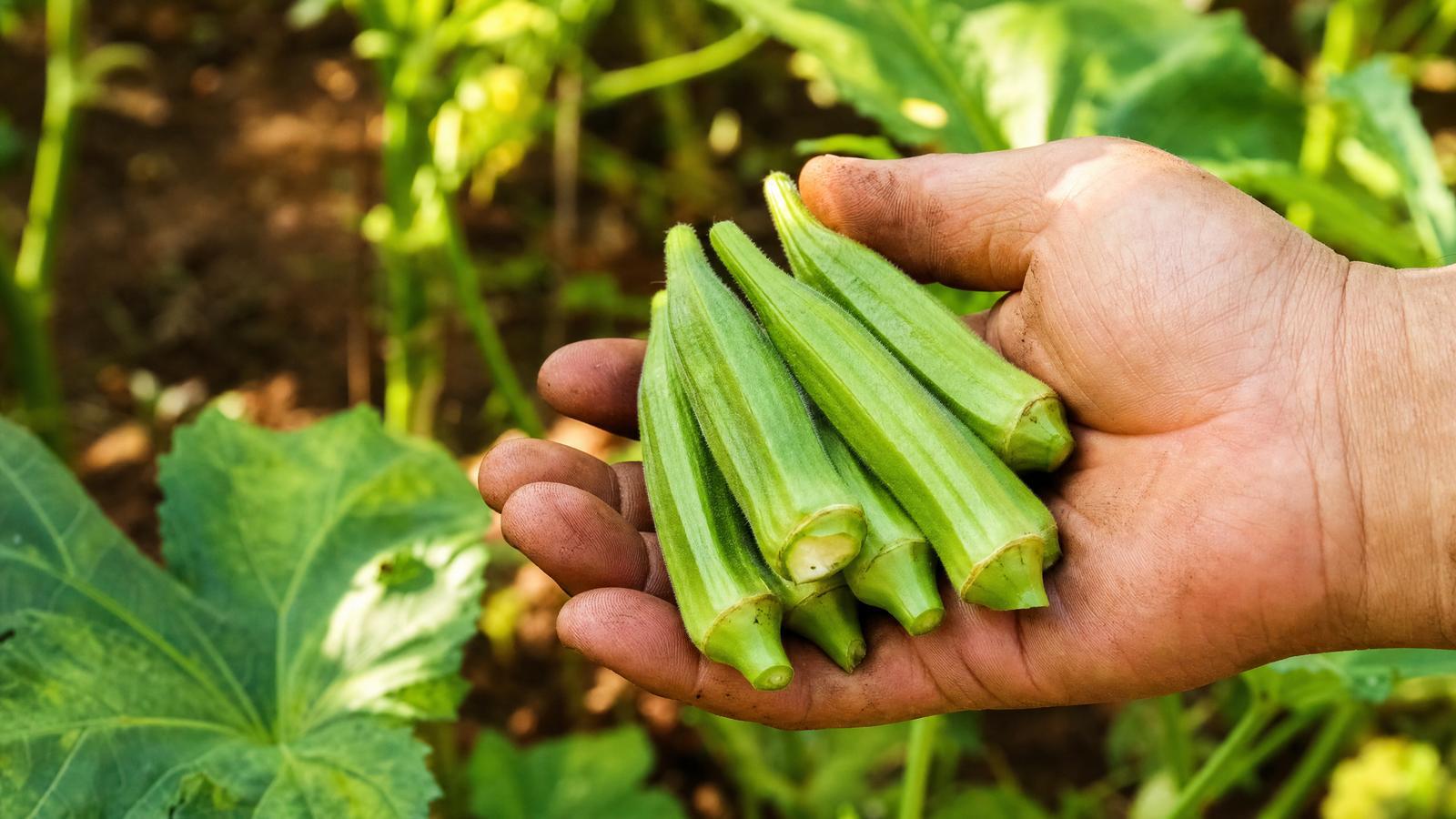
*Harvest okra pods when they are 2 to 4 inches long for the best flavor and texture. Check your plants every day during peak summer production.*
A sharp pair of garden snips or pruners makes harvesting much easier and cleaner than trying to snap pods off by hand.
A note on skin irritation: Some people find that the tiny hairs on okra pods and stems cause mild skin irritation. If you have sensitive skin, wear gloves and long sleeves when harvesting. The 'Clemson Spineless' variety has far fewer of these hairs than older heirloom types.
From Garden to Table
Freshly harvested okra is a revelation if you have only ever had it from a can or a frozen bag. Here are a few simple ways to enjoy your harvest:
* Roasted: Toss whole pods with olive oil, salt, pepper, and garlic. Roast at 425°F for 15 to 20 minutes until the edges are slightly caramelized. This is the method that converts okra skeptics.
* Grilled: Skewer whole pods and grill over high heat for a few minutes per side. A squeeze of lemon and a sprinkle of smoked paprika is all you need.
* Pickled: Okra makes incredible refrigerator pickles. Pack whole pods into jars with garlic, dill, and red pepper flakes, cover with a hot brine of vinegar, water, and salt, and refrigerate for a week.
Ready to plan where okra fits in your garden layout? Upload a photo of your space to our Garden Designer and get personalized placement suggestions. Have a question about growing okra in your specific climate zone? Ask our Garden AI Chat for instant advice. You can also browse our Shop for seeds and supplies, and check the Plant This Month guide to see everything else you should be planting right now.
Happy growing — and enjoy that first roasted okra of the season!
***
Frequently Asked Questions (FAQ)
Can I grow okra in a container?
Yes! Compact varieties like 'Jambalaya' or 'Baby Bubba' are specifically bred for container growing. Use a large pot (at least 5 gallons, and bigger is better) with excellent drainage. Container-grown okra will need more frequent watering and fertilizing than in-ground plants, but it is absolutely doable on a sunny patio or deck.
My okra seedlings are not growing. What is wrong?
The most common cause of stunted okra seedlings is cold soil or cold nights. Okra is a true tropical plant and will simply sit and sulk in cool conditions. If temperatures are still dipping below 60°F at night, the plant will not grow until it warms up. Be patient, or cover the plants with a row cover on cold nights to trap warmth.
How do I save okra seeds for next year?
Saving okra seeds is easy and satisfying. Simply leave a few pods on the plant at the end of the season and allow them to fully dry out on the plant. The pods will turn brown and papery. Once dry, crack them open and collect the round, grey-brown seeds. Store in a cool, dry place in an envelope or small jar. They will remain viable for 2 to 3 years.
Is okra a perennial?
In tropical climates (USDA Zone 10 and above), okra can behave as a short-lived perennial. In most of the United States, it is grown as an annual and replanted each year. In Zones 8 and 9, you may get a second season from the same plant if you cut it back hard in late summer and it re-sprouts before frost.
*As an Amazon Associate I earn from qualifying purchases.*
Ready to Design?
Upload a photo of your space and get beautiful, personalized design ideas in seconds.
Keep reading
Seasonal planting reminders and expert guides — free.