Blog
The Complete June Guide to Growing Summer Squash and Zucchini
Master the art of growing summer squash and zucchini this June with our comprehensive guide. Learn about planting, companion plants, pest control, and harvesting for a bountiful summer yield.
2026-06-07
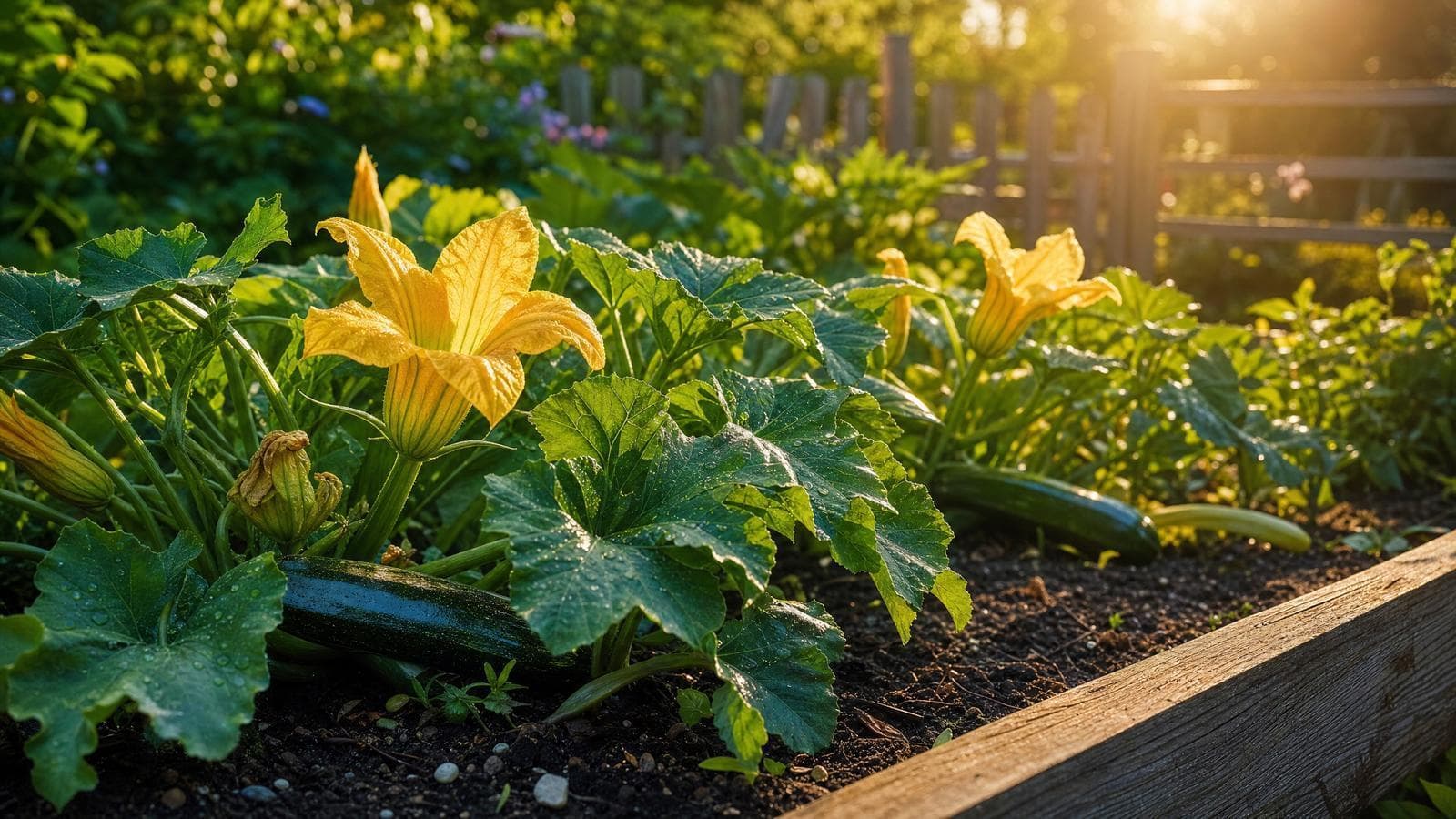
Welcome to June, fellow gardeners! If there is one vegetable that embodies the abundance of summer, it is undoubtedly the summer squash. Whether you are growing classic green zucchini, vibrant yellow crooknecks, or adorable patty pans, June is the perfect time to ensure your plants are set up for a massive, continuous harvest.
As a master gardener, I have spent years perfecting the art of growing these prolific producers. Today, I am going to share my top tips for growing summer squash and zucchini, covering everything from planting and companion plants to organic pest control and harvesting.
Setting the Stage for Success
Summer squash and zucchini are sun-lovers. They need at least 6 to 8 hours of direct sunlight every day to thrive. If you haven't planted yours yet, early June is still a fantastic time to get them in the ground, as the soil has warmed up beautifully.
These plants are heavy feeders, so start by enriching your soil with plenty of organic matter. I always mix in a generous amount of high-quality compost before planting. If you are growing in raised beds or containers, ensure your soil has excellent drainage.
Proper Spacing is Crucial
One of the most common mistakes I see beginners make is planting their squash too close together. These plants get huge! Give them plenty of room to breathe. Space bush varieties at least 2 to 3 feet apart, and vining varieties even further. Good airflow is essential for preventing powdery mildew, a common fungal issue later in the summer.
Watering: The Key to Healthy Plants
Consistent watering is vital for summer squash, especially as the temperatures rise in June. However, *how* you water is just as important as *how much* you water.
Always water at the base of the plant, avoiding the leaves. Wet leaves are a breeding ground for fungal diseases. I highly recommend using a drip irrigation system or a soaker hose. If you need a reliable setup, check out the Snip-n-Drip Soaker Hose System on Amazon. It makes deep, consistent watering a breeze.
Aim for about 1 to 2 inches of water per week, depending on rainfall and temperature. A thick layer of organic mulch around the base of the plants will help retain moisture and keep the soil cool.
Companion Planting for Pest Control
Organic pest management starts with a diverse garden ecosystem. Companion planting is a fantastic way to deter pests and attract beneficial insects.
Here are some of the best companion plants for your summer squash:
* Nasturtiums: These beautiful flowers act as a trap crop for aphids, drawing them away from your squash.
* Thyme: When flowering, thyme attracts predatory insects like hoverflies and parasitic wasps, which feed on common garden pests.
* Beans and Peas: These legumes fix nitrogen in the soil, providing a natural fertilizer boost for your heavy-feeding squash.
If you are looking to plan out your companion planting strategy, try using our Garden Designer Tool to visualize your bed layouts.
Managing Common Pests Organically
Even with the best companion plants, you might still encounter a few uninvited guests. The two most notorious pests for summer squash are the squash bug and the squash vine borer.
Squash Bugs
These shield-shaped insects suck the sap from the leaves, causing them to wilt and turn brown. The best defense is early detection. Check the undersides of the leaves regularly for their copper-colored eggs and crush them. If you spot adult bugs, you can pick them off by hand and drop them into a bucket of soapy water.
Squash Vine Borers
These are the stealthy assassins of the squash world. The adult moth lays eggs at the base of the plant, and the larvae bore into the stem, causing the entire plant to collapse seemingly overnight.
To prevent them, you can wrap the base of the stem in aluminum foil or plant collars. If you need a good organic spray for severe infestations, I often use Neem Oil Extract, which is effective against a variety of pests while being safe for organic gardening when used as directed.
If you are ever unsure about a pest or disease in your garden, don't hesitate to ask our AI expert in the Garden Chat for personalized advice!
The Joy of the Harvest
By late June or early July, your plants should be producing fruit. The golden rule of harvesting summer squash is: Pick them small and pick them often!
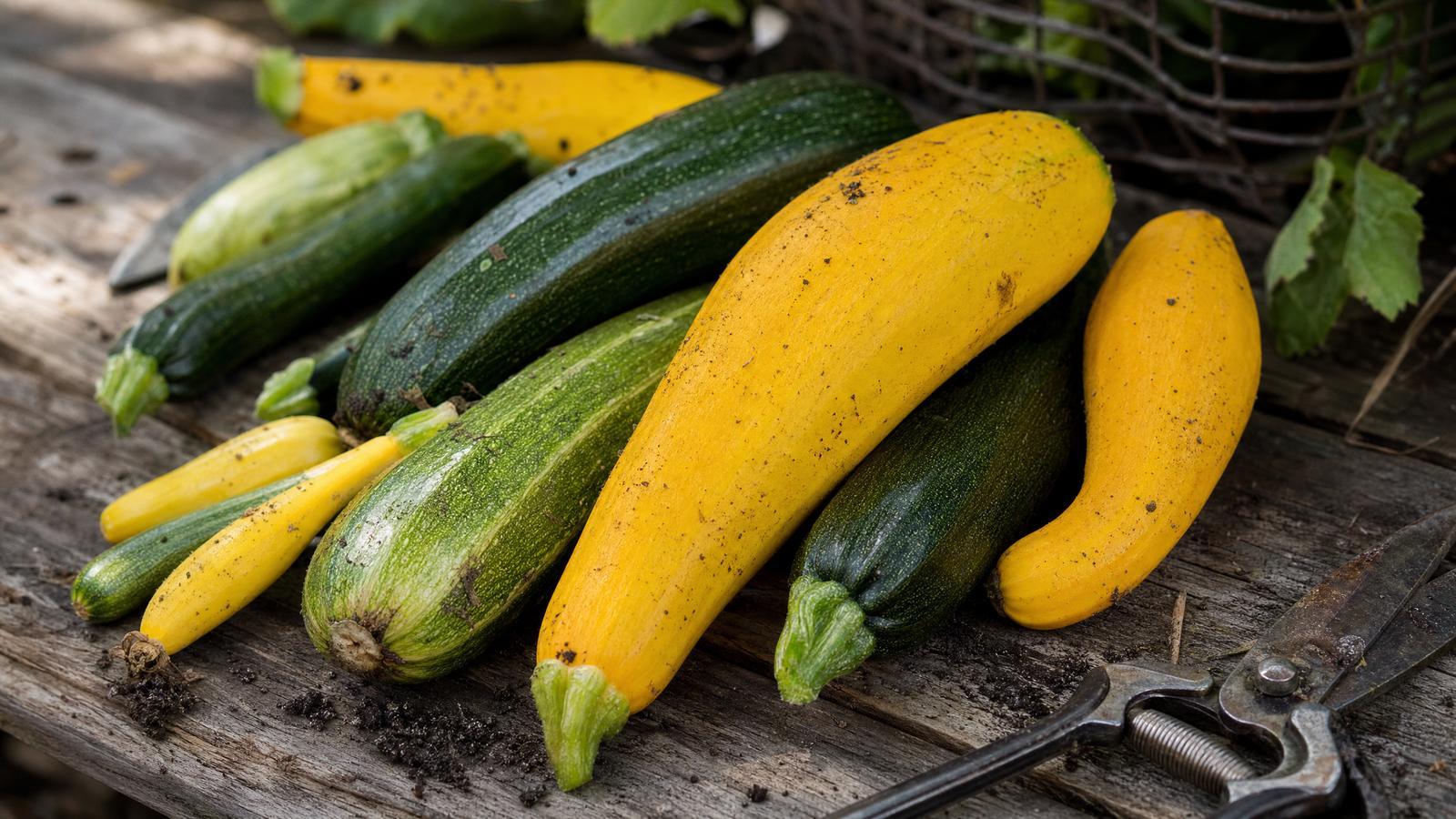
Zucchini and summer squash are best enjoyed when they are young and tender, usually about 6 to 8 inches long. If you leave them on the vine too long, they become tough, seedy, and massive (the classic "baseball bat" zucchini). Furthermore, regular harvesting encourages the plant to produce even more fruit.
Use a sharp knife or a good pair of pruning snips to cut the squash from the vine, leaving a short stem attached. Twisting or pulling can damage the plant. I love using my Fiskars Micro-Tip Pruning Snips for clean, precise cuts.
Conclusion
Growing summer squash and zucchini is one of the most rewarding experiences in the June garden. With plenty of sun, consistent watering at the base, smart companion planting, and regular harvesting, you will be enjoying a bounty of fresh, delicious squash all summer long.
Don't forget to check out our Plant This Month guide for more ideas on what to sow right now, and visit our Shop for all your gardening needs.
Happy gardening!
***
*As an Amazon Associate I earn from qualifying purchases.*
***
Frequently Asked Questions
Why are my squash blossoms falling off without producing fruit?
Early in the season, squash plants often produce male flowers first, which fall off without producing fruit. Be patient; female flowers (which have a tiny swelling at the base) will follow shortly. If you have both male and female flowers but still no fruit, you may have a lack of pollinators. You can hand-pollinate by transferring pollen from the male flower to the female flower using a small paintbrush.
Can I eat the squash blossoms?
Yes! Squash blossoms are a culinary delicacy. They are wonderful stuffed with ricotta cheese and lightly fried. Just be sure to harvest mostly male flowers, leaving a few for pollination, so you don't reduce your squash harvest.
How do I prevent powdery mildew on my squash leaves?
Powdery mildew thrives in humid conditions with poor airflow. Prevent it by spacing your plants properly, watering at the base rather than overhead, and applying a preventative spray of neem oil or a baking soda solution early in the season.
Ready to Design?
Upload a photo of your space and get beautiful, personalized design ideas in seconds.
Keep reading
Seasonal planting reminders and expert guides — free.