Blog
How to Grow Carrots in Summer: Tips for a Sweet, Abundant Harvest
Think carrots are only for spring? Think again! Learn how to grow carrots in the summer garden with the right varieties, soil prep, and watering tricks for a sweet, crunchy harvest.
2026-06-08
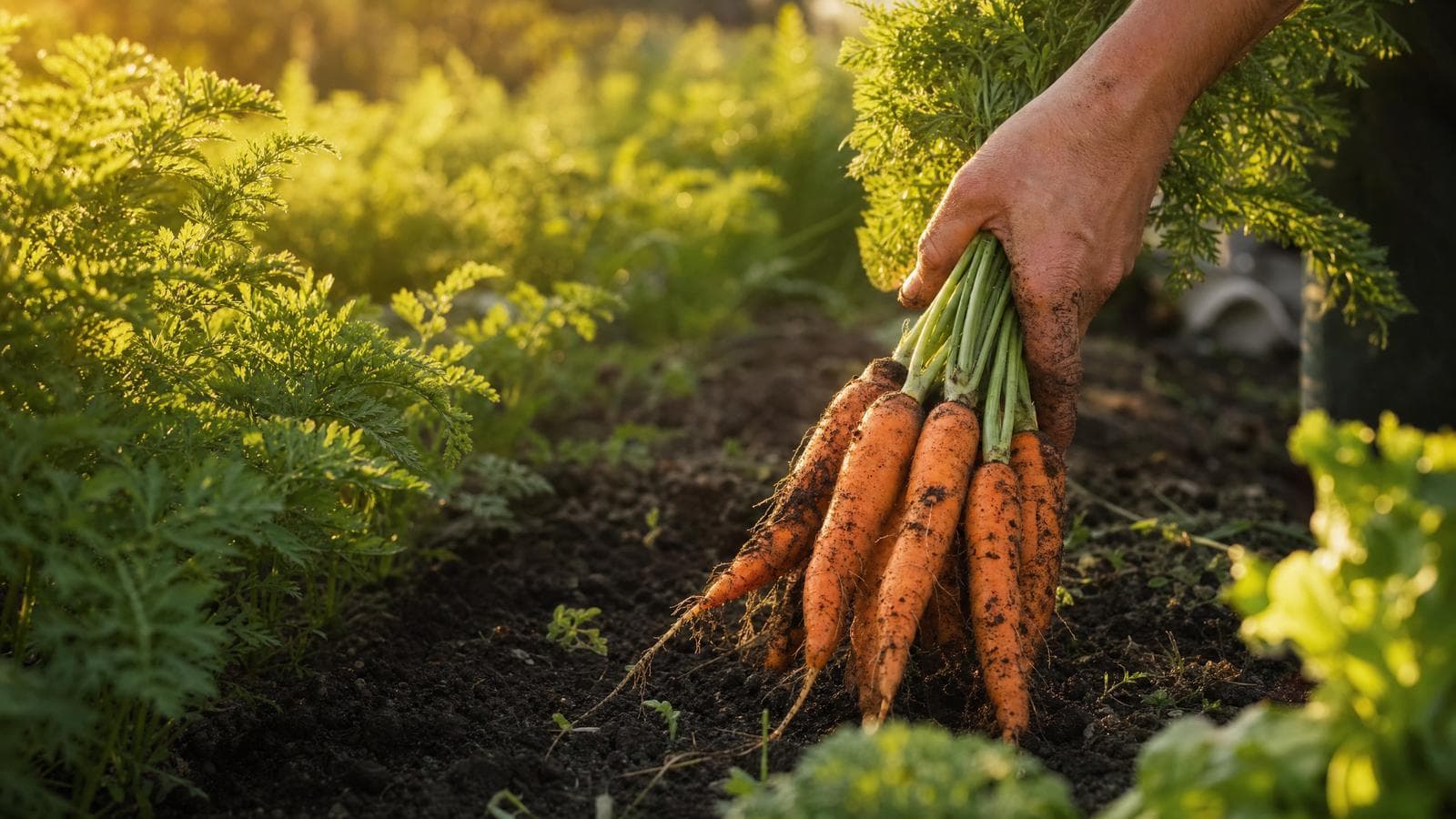
There is something deeply satisfying about reaching into the garden soil and pulling out a cluster of bright orange carrots, their feathery green tops still attached. Homegrown carrots are sweeter, crunchier, and more flavorful than anything you will find at the grocery store — and the good news is that June is a fantastic time to get a new crop started.
Many gardeners assume carrots are strictly a cool-season crop, but with the right approach, you can absolutely grow a beautiful carrot harvest through the summer months. Today, I want to share my best master gardener tips for growing carrots in the summer garden, from choosing the right varieties to the soil preparation secrets that make all the difference.
Why Summer Carrots Are Worth Growing
Carrots are a root vegetable that genuinely benefits from a light touch of cool weather at the end of their growing cycle. Here is the insider secret: carrots planted in early June will mature in late August and September, when temperatures naturally begin to cool. That slight chill at harvest time actually triggers the plant to convert starches into sugars, making your carrots noticeably sweeter.
This means a June planting is not just possible — it is actually a strategic move for getting the sweetest, most flavorful carrots of the season. You get the warmth of summer to fuel rapid growth, and the cooling temperatures of early fall to develop that incredible flavor.
Choosing the Best Carrot Varieties for Summer
Not all carrot varieties are created equal when it comes to summer heat. Choosing the right type is your first and most important decision.
Nantes-type carrots are widely considered the best all-around variety for home gardeners. They are cylindrical, blunt-ended, and incredibly sweet. Varieties like 'Scarlet Nantes' and 'Bolero' are heat-tolerant and forgiving in less-than-perfect soil.
Chantenay carrots are shorter and stockier, making them ideal for heavier clay soils where longer varieties might struggle. They are very heat-tolerant and reliable producers. 'Red-Cored Chantenay' is a classic choice.
Danvers carrots are a workhorse variety that handles heat and even slightly compacted soil better than most. They are a great choice if your garden soil is on the heavier side.
For summer planting, I generally recommend avoiding the very long Imperator types (the classic grocery store carrot shape). They need deep, loose, perfect soil and tend to struggle more in summer heat. Stick with Nantes, Chantenay, or Danvers for the best results.
Check Price on Amazon to find a great selection of heirloom Nantes carrot seeds for your summer garden.
The Most Important Step: Soil Preparation
If there is one thing I have learned from years of growing carrots, it is this: the secret to great carrots is in the soil. Carrots are a root vegetable, which means they need to push their way down through the earth as they grow. Any obstacle — a rock, a clump of clay, compacted soil — will cause them to fork, twist, or stunt.
Before you sow a single seed, take the time to prepare your bed properly. Loosen the soil to a depth of at least 12 inches (ideally 15 inches for longer varieties). Remove any rocks, sticks, or debris. Work in a generous amount of compost or aged organic matter to improve drainage and soil texture. Check Price on Amazon for a high-quality bagged compost that you can work into your bed right away.
One important note: avoid adding fresh manure or high-nitrogen fertilizers to your carrot bed. Too much nitrogen causes the plants to put their energy into lush green tops rather than developing the root below. A low-nitrogen, phosphorus-rich fertilizer is ideal for root vegetables.
Sowing Carrot Seeds: The Right Way
Carrots are always direct-sown from seed — they do not transplant well at all. Sow your seeds directly into the prepared garden bed.
Carrot seeds are tiny and can be tricky to sow evenly. Here are a few tricks that work really well:
First, create a shallow furrow about a quarter-inch deep. Moisten the soil before sowing. Then, mix your carrot seeds with a small amount of dry sand to help distribute them more evenly as you sow. Aim for seeds about half an inch apart in the row, with rows spaced about 6 inches apart.
After sowing, cover the seeds with a very thin layer of fine soil or vermiculite. The key challenge with carrot germination is keeping the soil surface consistently moist for the 10 to 21 days it takes for seeds to sprout. In summer heat, the surface can dry out very quickly. Laying a piece of burlap or a board over the row until germination begins can help retain moisture. Check daily and remove the cover as soon as you see the first tiny green sprouts.
Thinning: The Step Most Gardeners Skip
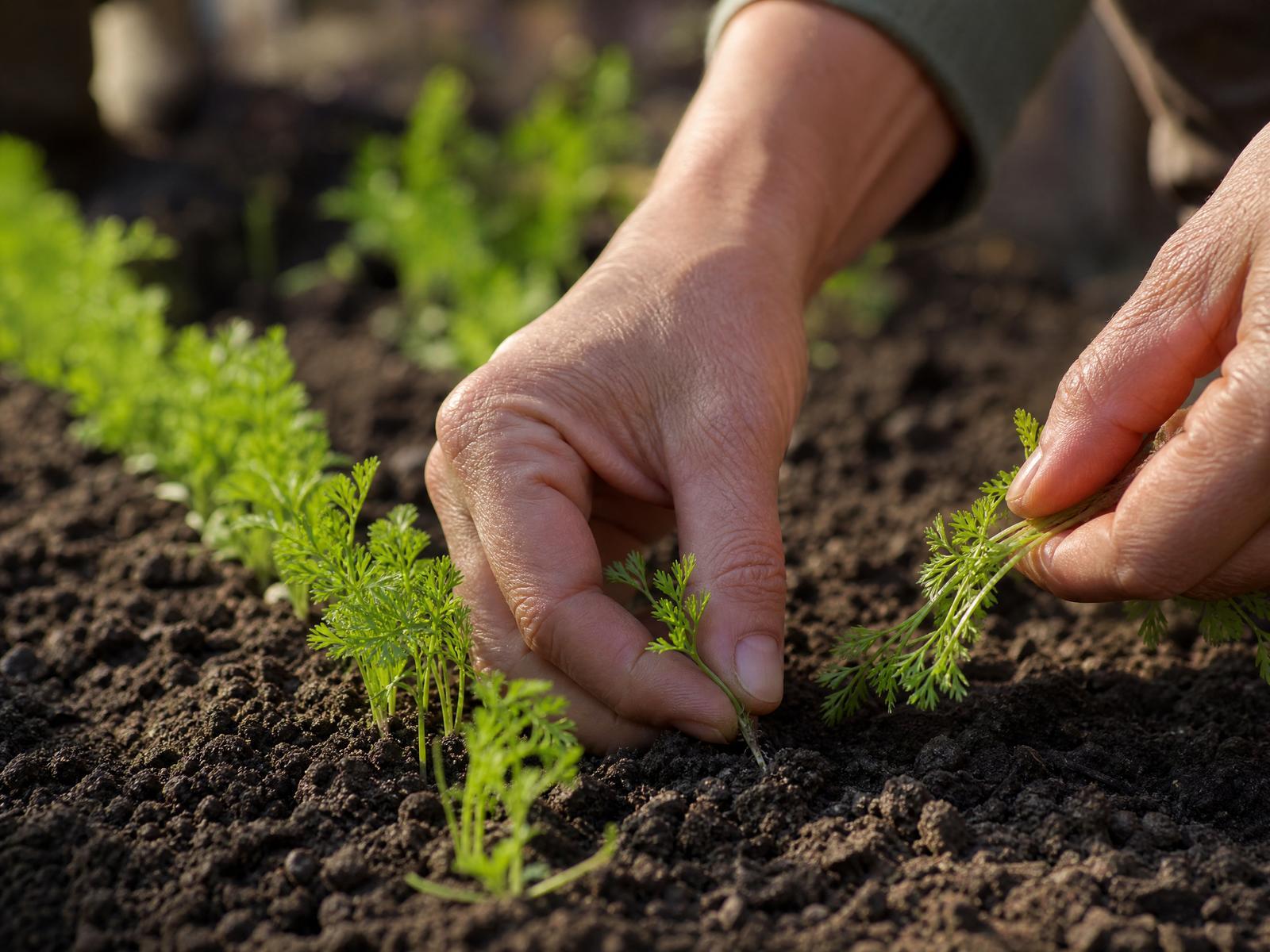
Once your carrot seedlings are about 2 inches tall, it is time for the step that most beginners skip — thinning. I know it feels wrong to pull out perfectly healthy little seedlings, but this is absolutely critical for growing full-sized, well-shaped carrots.
Thin your seedlings so that each plant has about 2 to 3 inches of space on all sides. Crowded carrots will compete for resources and produce small, misshapen roots. Use small scissors to snip the unwanted seedlings at soil level rather than pulling them out, which can disturb the roots of the seedlings you want to keep.
Watering Carrots in the Summer Heat
Consistent, deep watering is essential for growing straight, crack-free carrots. Aim to keep the soil evenly moist to a depth of several inches. Irregular watering — where the soil dries out and then gets drenched — is a leading cause of cracked or split carrots.
In summer, you may need to water every two to three days, depending on your climate and soil type. A drip irrigation system or soaker hose is ideal for carrots because it delivers water directly to the root zone without wetting the foliage. Check Price on Amazon to find a reliable soaker hose setup that makes summer watering effortless.
Mulching around your carrot rows with a 2-inch layer of straw or shredded leaves will also help retain soil moisture and keep the soil temperature cooler during the hottest part of the day.
When and How to Harvest Your Carrots
Most carrot varieties are ready to harvest 70 to 80 days after sowing. You can check by gently brushing away some soil at the top of the root. If the shoulder of the carrot (the part just below the soil surface) is about three-quarters of an inch in diameter, it is likely ready.
Do not wait too long after they reach maturity. Overly mature carrots can become woody and lose their sweetness. To harvest, loosen the soil around the carrot with a garden fork before pulling, especially in heavier soils. This prevents the carrot from snapping off in the ground.
Plan Your Garden with Our Tools
Want to map out where your carrot rows will go in your garden? Try our Garden Designer to plan your layout visually. Wondering what else you should be planting or doing right now? Check out our Plant This Month guide for a personalized seasonal calendar. Have questions about your carrot crop? Our AI gardening expert is ready to help in the Chat, and you can find all our recommended gardening tools in the Shop.
Happy growing — may your summer carrot harvest be sweet, abundant, and deeply satisfying!
---
Frequently Asked Questions (FAQ)
Q: Can I grow carrots in containers or raised beds?
A: Absolutely! Carrots actually do very well in raised beds and deep containers because the soil is typically looser and better-draining than in-ground beds. Choose a container that is at least 12 inches deep, and opt for shorter varieties like Chantenay or the round 'Paris Market' type.
Q: My carrots are forking and growing in strange shapes. What went wrong?
A: Forked or twisted carrots are almost always caused by rocky or compacted soil that the root had to grow around, or by fresh manure in the bed. Make sure to deeply loosen your soil and remove all debris before sowing. Forked carrots are still perfectly edible — they just look a bit funny!
Q: Why are my carrot tops growing beautifully but the roots are tiny?
A: This is usually a sign of too much nitrogen in the soil, which encourages leafy top growth at the expense of root development. It can also be caused by overcrowding. Make sure you have thinned your seedlings properly and avoid high-nitrogen fertilizers.
Q: How do I store my harvested carrots?
A: Remove the green tops (they draw moisture from the root) and store carrots in the refrigerator in a sealed bag or container with a slightly damp paper towel. They will keep for several weeks. For long-term storage, you can also pack them in damp sand in a cool, dark place.
---
*Disclosure: As an Amazon Associate I earn from qualifying purchases.*
Ready to Design?
Upload a photo of your space and get beautiful, personalized design ideas in seconds.
Keep reading
Seasonal planting reminders and expert guides — free.