Blog
How to Grow Green Beans: A Summer Garden Guide
Master the art of growing green beans this summer. Learn the difference between bush and pole beans, planting tips, and how to get a continuous harvest.
2026-06-08
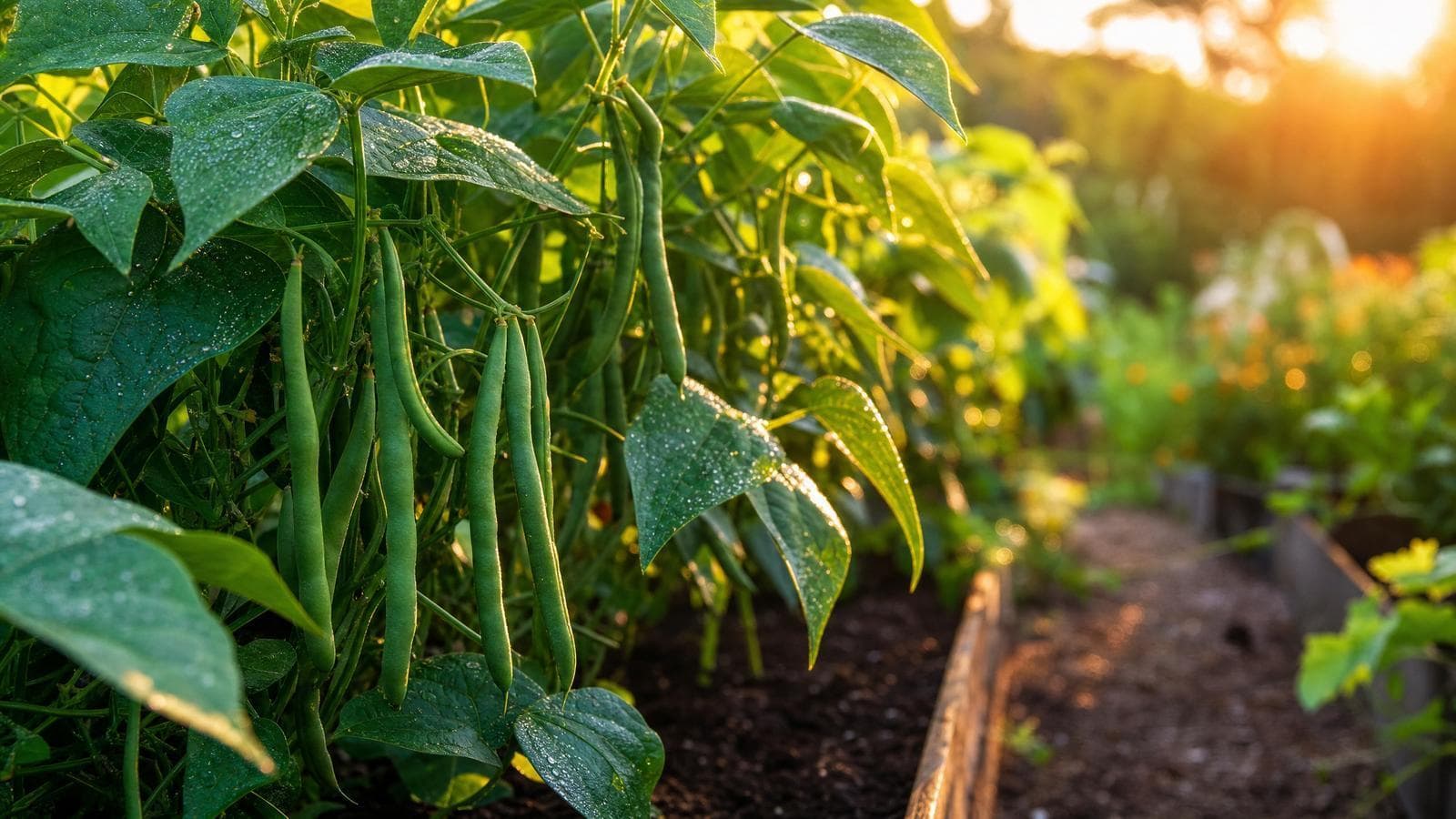
There is nothing quite like the snap of a fresh green bean pulled straight from the summer garden. Whether you call them green beans, string beans, or snap beans, they are one of the most rewarding and prolific crops you can grow.
If you are looking for a vegetable that is easy to start from seed, grows quickly, and produces abundantly throughout the summer, green beans should be at the top of your list. Today, I want to share some of my favorite master gardener tips to help you cultivate a thriving bean patch this season. Let's dig into the practical steps for a bountiful harvest!
Bush Beans vs. Pole Beans: Which is Right for You?
Before you start planting, you need to decide which type of green bean fits your garden space and harvesting style. Green beans generally fall into two main categories: bush beans and pole beans.
Bush Beans grow into compact, bushy plants that typically reach about two feet tall. They do not require any trellising or support, making them incredibly easy to manage. The trade-off is that bush beans tend to produce their entire crop over a concentrated two to three-week period. This makes them ideal if you want a large harvest all at once for canning or freezing.
Pole Beans, on the other hand, are vining plants that can grow six to eight feet tall (or more!). They require a sturdy trellis or teepee for support. The beauty of pole beans is that they produce continuously throughout the summer, right up until the first frost, as long as you keep harvesting them. They are perfect for maximizing vertical space in a smaller garden.
Planting for Success: Soil and Sunlight
Green beans are sun-worshippers. They need a location that receives at least six to eight hours of direct sunlight each day. When it comes to soil, they prefer it to be well-draining and slightly acidic (pH between 6.0 and 6.8).
Unlike tomatoes or heavy-feeding brassicas, beans are legumes. This means they have a remarkable ability to fix their own nitrogen from the air, thanks to a symbiotic relationship with soil bacteria. Because of this, you don't need to go heavy on the nitrogen fertilizer. In fact, too much nitrogen will give you lush, beautiful leaves but very few beans!
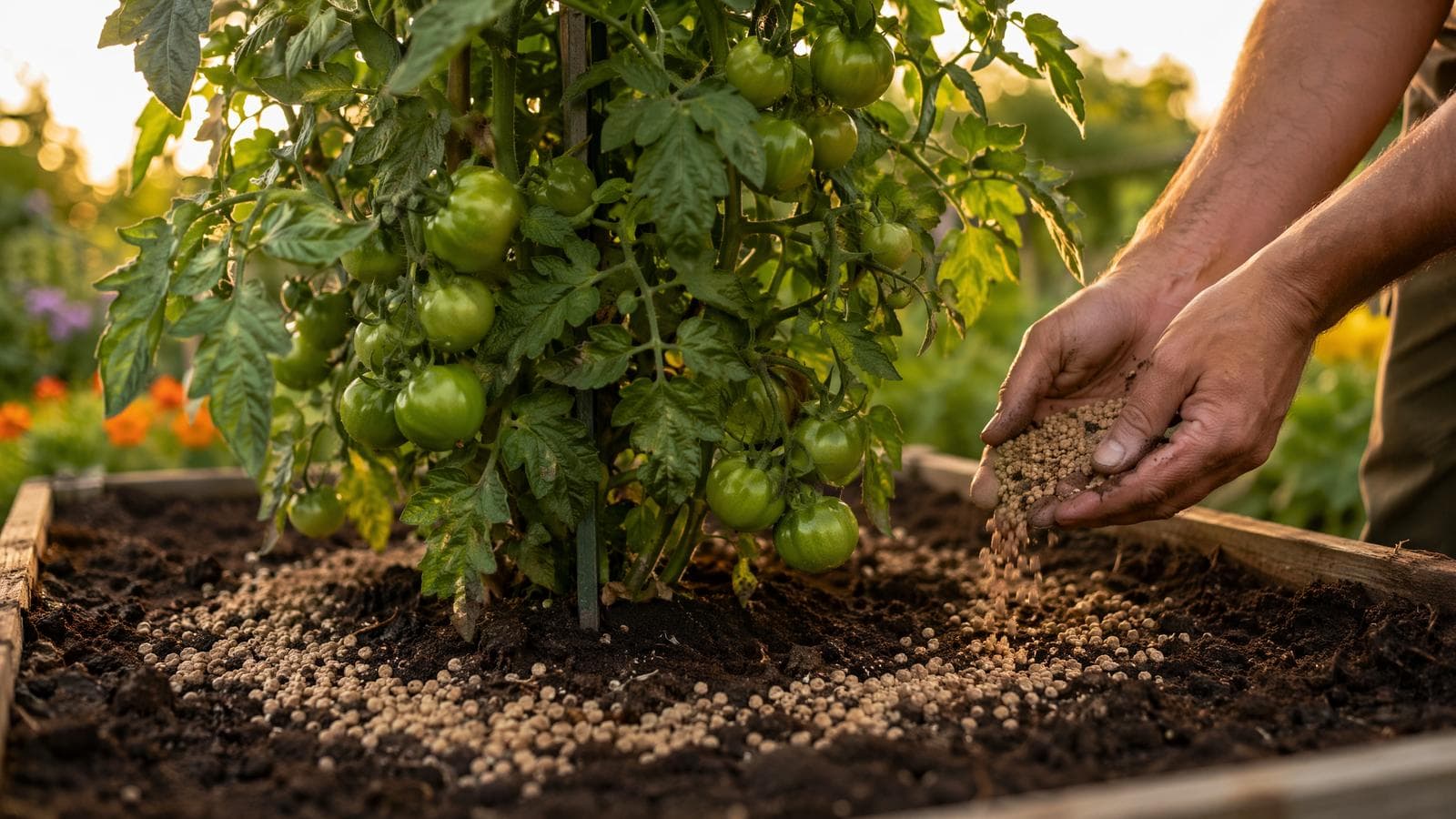
If you want to give your beans the best start, I recommend using a balanced, organic fertilizer at planting time. Check Price on Amazon for a great all-purpose organic option that won't overwhelm your plants with nitrogen.
The Secret to a Continuous Harvest: Succession Planting
If you decide to grow bush beans, the secret to enjoying fresh beans all summer long is a technique called succession planting. Instead of planting all your seeds at once, sow a new row or patch every two to three weeks.
By staggering your planting times, you ensure that as one batch of plants finishes producing, the next batch is just coming into peak harvest. This simple strategy can transform a short harvest window into months of fresh eating.
Watering and Heat Stress in the Summer Garden
As the summer heats up, proper watering becomes critical. Green beans have relatively shallow root systems, which means they can dry out quickly during a heatwave. They generally need about one inch of water per week.
The key is to water deeply at the base of the plants. Avoid overhead watering if possible, as wet leaves can encourage fungal diseases like rust or powdery mildew.
During extreme heat, you might notice your bean plants dropping their blossoms without setting fruit. This is a common stress response to high temperatures. Don't panic! Keep the soil consistently moist (but not waterlogged), and consider adding a layer of organic mulch around the base of the plants to help regulate soil temperature and retain moisture. Once the extreme heat breaks, the plants will typically resume blossoming and producing.
Supporting Your Pole Beans
If you opted for pole beans, providing adequate support early on is essential. You want to have your trellis in place *before* or immediately after you plant the seeds, so you don't disturb the delicate roots later.
You can build a simple bamboo teepee, use cattle panels arched between raised beds, or set up a sturdy netting system. Check Price on Amazon for durable garden netting that can easily support the weight of mature bean vines.
Need More Garden Guidance?
Are you trying to figure out where to fit a bean trellis in your current setup? Try our Garden Designer tool! Just upload a photo of your space, and we can help you map out the perfect layout.
If you have specific questions about pest control or watering schedules, our Garden Chat is available for real-time advice. You can also browse our Shop for all the tools and seeds you need, and don't forget to check our Plant This Month guide to see what else you should be sowing in June!
Happy planting, and enjoy those crisp summer beans!
---
Frequently Asked Questions
Why are my green bean leaves turning yellow?
Yellowing leaves can be a sign of overwatering, poor drainage, or a nutrient deficiency. Ensure your soil drains well and that you aren't watering so frequently that the soil remains soggy. If the soil is fine, a light application of a balanced organic fertilizer might help.
Do I need to soak bean seeds before planting?
While some gardeners swear by soaking seeds overnight to speed up germination, it is not strictly necessary for green beans. In fact, if the soil is too cool and wet, soaked seeds can sometimes rot before they sprout. Planting dry seeds in warm, moist soil usually yields excellent results.
How do I know when to harvest green beans?
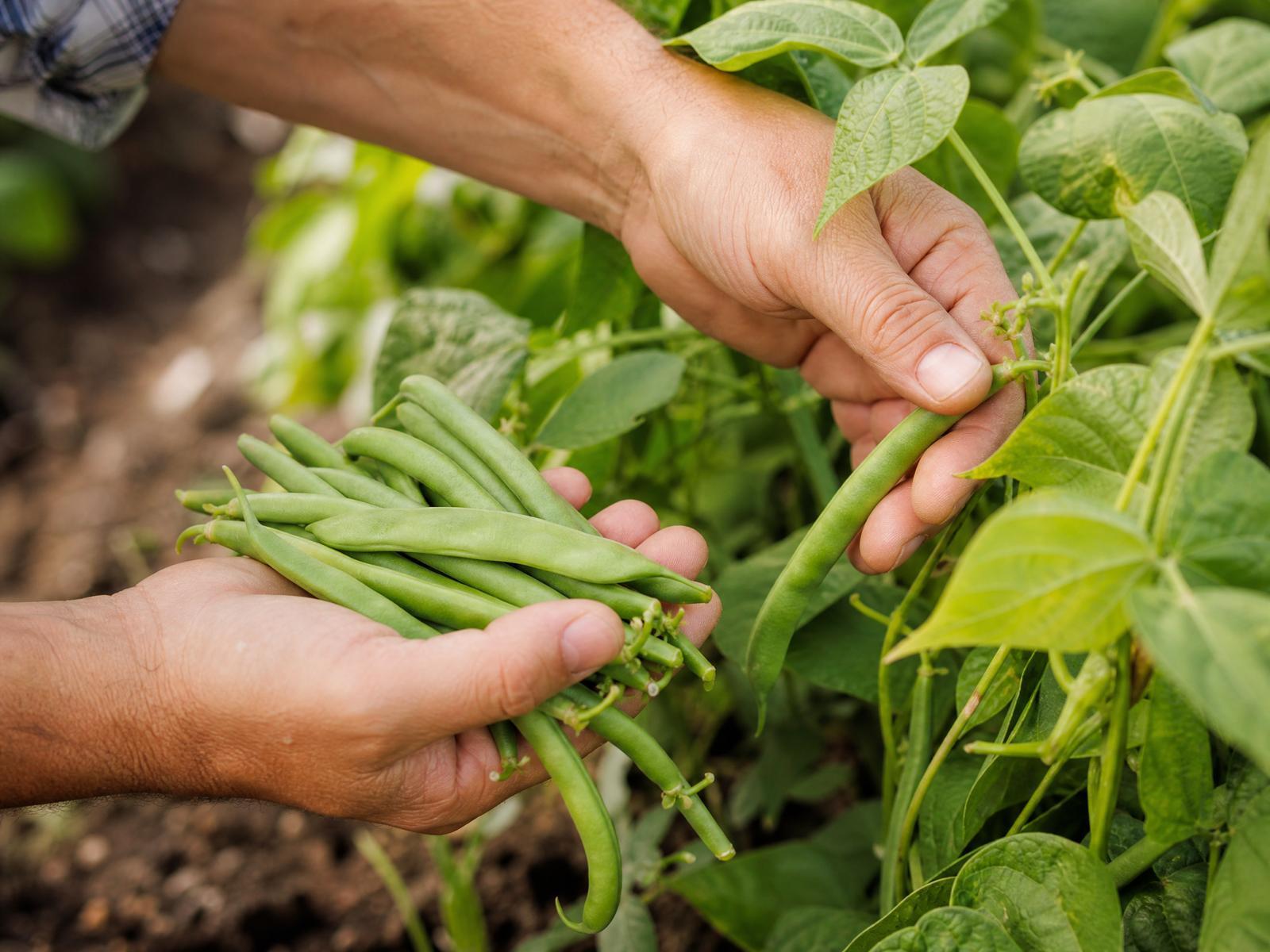
Harvest green beans when the pods are firm, crisp, and fully elongated, but before the seeds inside begin to bulge significantly. If you wait until the pods are bulging and tough, the beans will be stringy and less flavorful. Regular harvesting encourages the plant to produce more!
*Disclosure: As an Amazon Associate I earn from qualifying purchases.*
Ready to Design?
Upload a photo of your space and get beautiful, personalized design ideas in seconds.
Keep reading
Seasonal planting reminders and expert guides — free.