Blog
How to Grow Cantaloupe in Your Backyard Garden: A Late May Planting Guide
Late May is the perfect time to get cantaloupe in the ground! Learn how to plant, train, water, and harvest homegrown cantaloupe for the sweetest summer fruit you've ever tasted.
2026-05-27
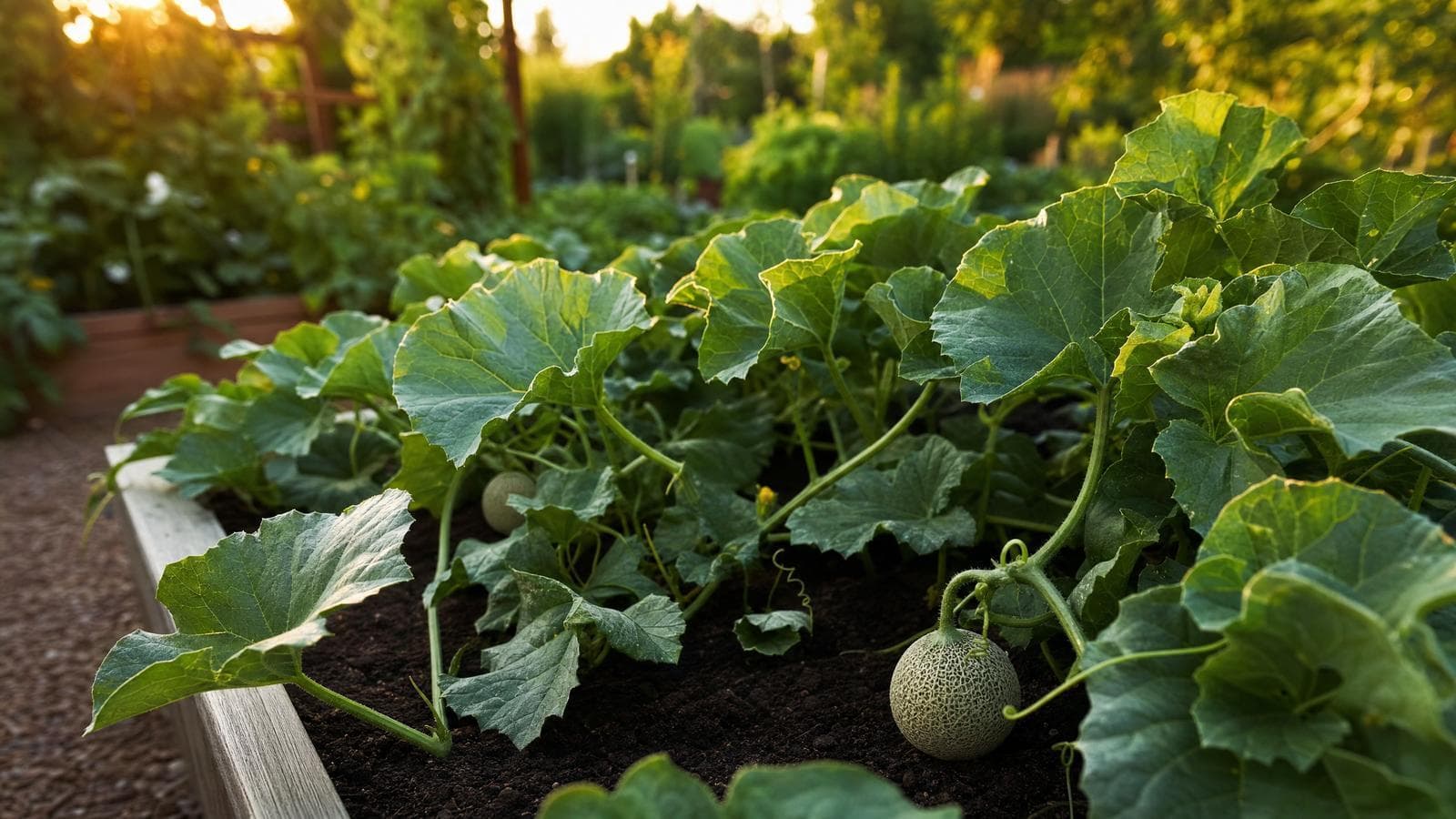
Is there anything better than slicing into a perfectly ripe, homegrown cantaloupe on a hot summer day? The answer is no — absolutely not. And the good news is that late May is the ideal window to get cantaloupe seeds or transplants into the ground. The soil is warm, the days are long, and these sun-loving vines are ready to take off. Let me walk you through everything you need to know to grow your own sweet, fragrant cantaloupe this summer.
Why Late May Is the Sweet Spot for Planting Cantaloupe
Cantaloupe (also called muskmelon) is a warm-season crop that absolutely refuses to cooperate in cold soil. The soil temperature needs to be at least 65°F — and ideally closer to 70°F — before seeds will germinate reliably. In most of the country, late May delivers exactly that.
Cantaloupes need a long growing season, typically 70 to 90 days from transplant to harvest. By planting now, you're setting yourself up for a late July through August harvest — right when you want it most.
Choosing the Right Cantaloupe Variety
Not all cantaloupes are created equal! Here are a few of my favorites that do exceptionally well in home gardens:
| Variety | Days to Harvest | Notes |
|---|---|---|
| Hale's Best Jumbo | 75–80 days | Classic, sweet, very reliable |
| Ambrosia | 86 days | Exceptionally sweet, disease-resistant |
| Sugar Cube | 80 days | Compact vines, great for small gardens |
| Athena | 75 days | Thick flesh, excellent shelf life |
If you are working with a smaller garden space, I especially recommend Sugar Cube — its compact vines won't take over your entire yard, and the fruit is absolutely delicious.
Preparing Your Planting Site
Cantaloupes are sun worshippers. They need a minimum of 8 full hours of direct sunlight per day, so choose your sunniest spot. They also love warmth, so if you can plant them against a south-facing fence or wall, even better.
Soil preparation is key. Cantaloupes prefer a well-draining, loamy soil with a pH between 6.0 and 6.8. Work in a generous amount of compost before planting — I like to add about 3 to 4 inches of compost and work it into the top 12 inches of soil. This improves drainage, adds nutrients, and helps the soil retain just the right amount of moisture.
If you want to give your plants a real head start, consider laying black plastic mulch over the bed a week or two before planting. It warms the soil faster and suppresses weeds throughout the season.
How to Plant Cantaloupe
You have two options: direct sowing seeds or transplanting seedlings.
Direct Sowing: Plant seeds 1 inch deep in small hills or mounds, spacing the hills about 4 to 6 feet apart. Plant 3 to 4 seeds per hill and thin to the 2 strongest seedlings once they are a few inches tall. Sow seeds directly into warm soil for the best germination rates.
Transplanting Seedlings: If you started seeds indoors 3 to 4 weeks ago (or bought starts from a nursery), you can transplant them now. Be very gentle with the roots — cantaloupes do not love having their roots disturbed. Plant them at the same depth they were growing in their pot.
Watering and Fertilizing
Cantaloupes need consistent moisture, especially during the early growth stages and when the fruit is developing. Aim for about 1 to 2 inches of water per week. The critical rule is this: once the melons start to ripen (you'll notice the skin changing color and the stem beginning to dry out), reduce watering significantly. Too much water at the end of the season dilutes the sugars and gives you a bland, watery melon. Trust me on this one!
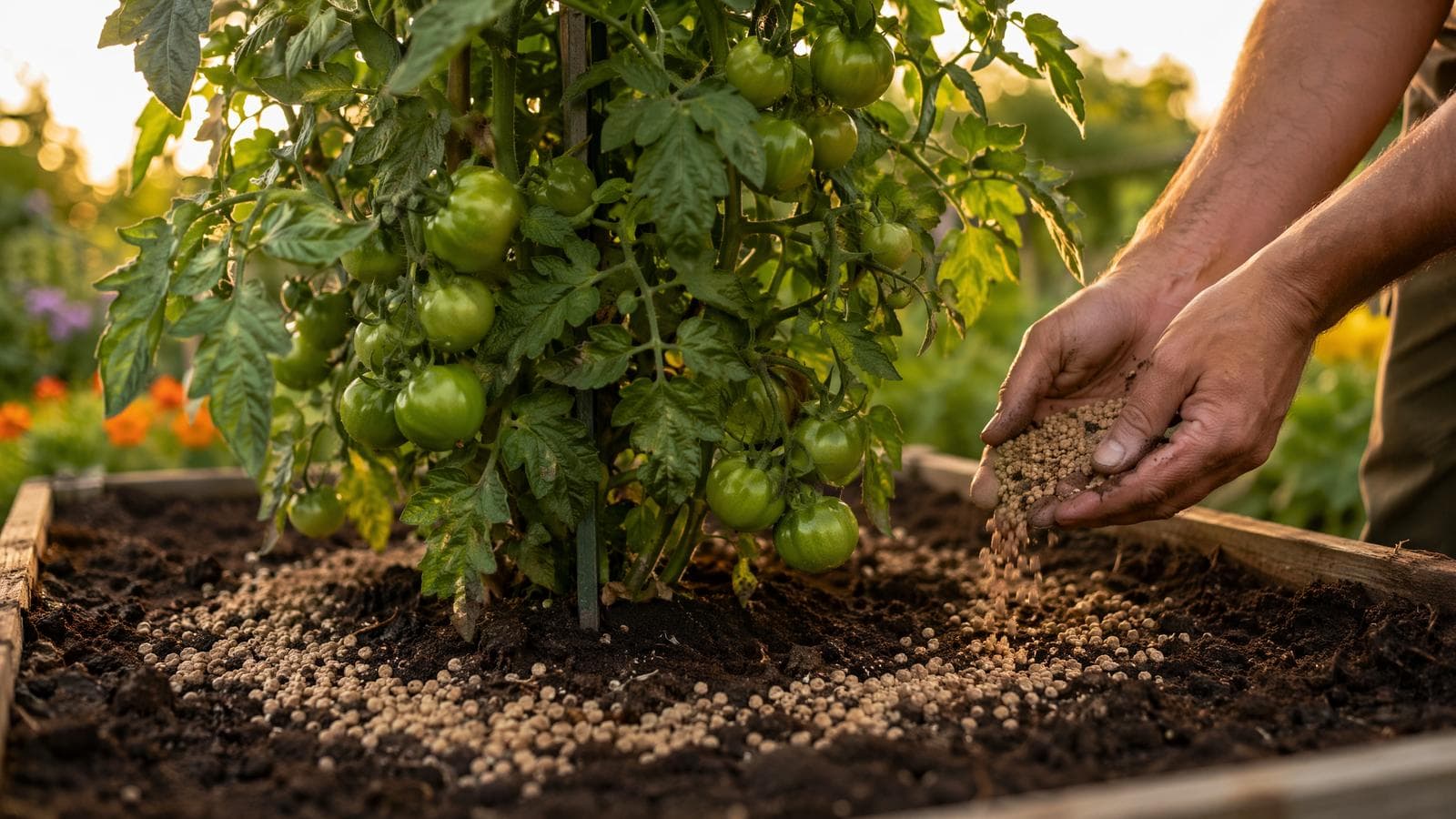
For fertilizing, I use a two-phase approach. Early in the season, I feed with a balanced fertilizer to encourage strong vine growth. Once the plants start flowering, I switch to a lower-nitrogen, higher-potassium fertilizer to push energy into fruit development. A great option is the Espoma Organic Tomato-tone Fertilizer, which works beautifully for melons too.
Managing the Vines
Cantaloupe vines can spread 6 to 8 feet in every direction, so give them room! You have two options for managing all that growth:
1. Let them sprawl: The traditional approach. Simply let the vines run across the ground. Place a piece of cardboard or a small tile under each developing melon to keep it off the damp soil and prevent rot.
2. Grow them vertically: Yes, you can trellis cantaloupes! Use a strong, sturdy trellis and support each melon with a sling made from old pantyhose or a mesh produce bag. This saves a ton of space and keeps the fruit clean and well-ventilated.
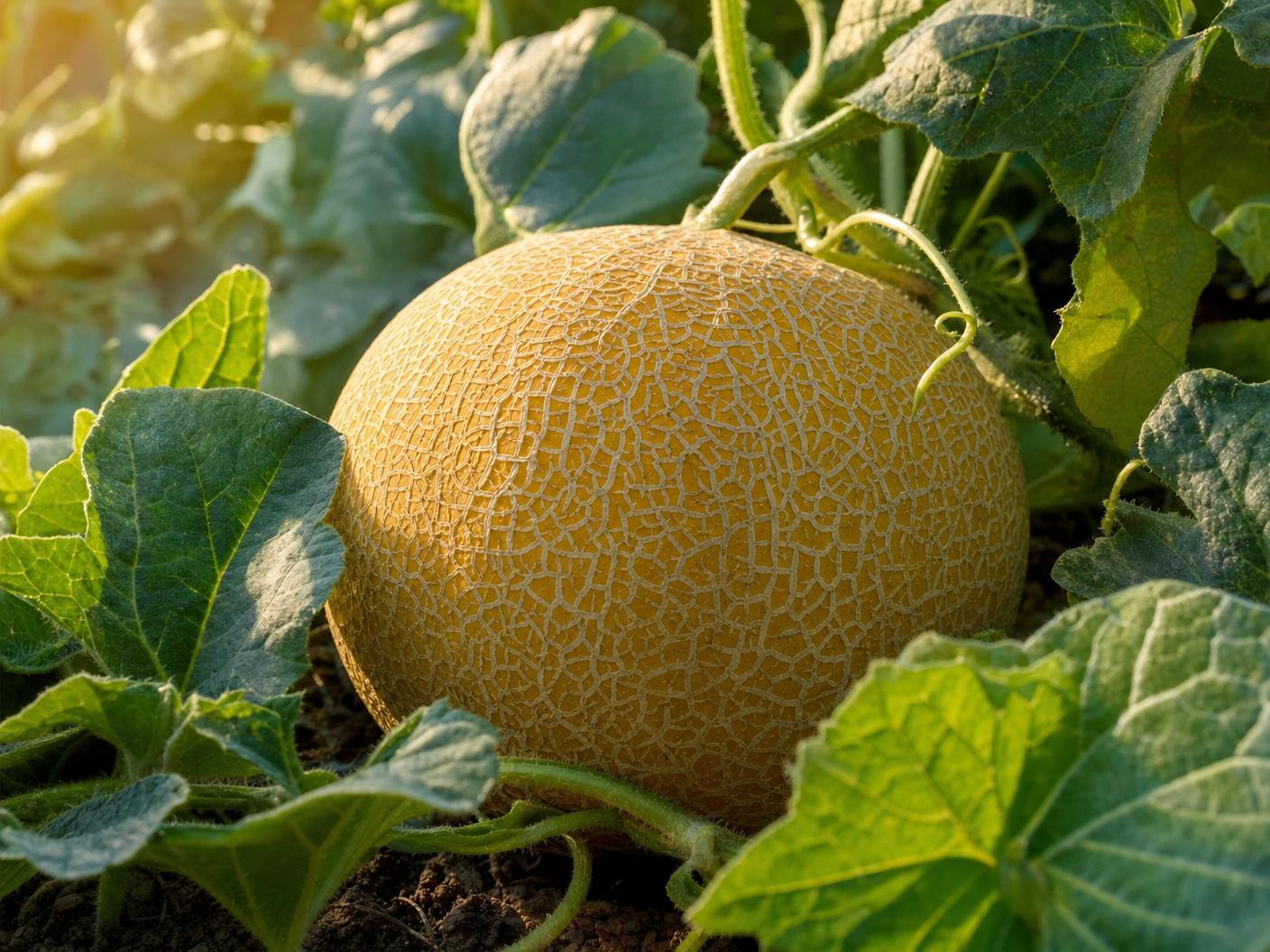
*A homegrown cantaloupe nearing peak ripeness — notice the golden skin and the dry, cracked stem.*
Pollination: The Key to Fruit Set
Cantaloupes produce separate male and female flowers on the same vine. The male flowers appear first, followed by the female flowers (which have a tiny melon-shaped swelling at their base). Bees and other pollinators do the work of transferring pollen from male to female flowers.
This is why having a pollinator-friendly garden is so important! If you notice lots of flowers but no fruit setting, you may have a pollination problem. You can hand-pollinate by using a small paintbrush to transfer pollen from a male flower to a female flower. It's a bit fiddly, but it works.
To attract more pollinators to your garden, check out our guide on How to Start a Pollinator Garden or use our AI Garden Chat to get personalized planting advice for your specific yard.
Knowing When to Harvest
This is where the magic happens — and where a lot of first-time growers get tripped up. Here are the signs that your cantaloupe is ready to pick:
- The skin changes from smooth and green to a tan, netted appearance.
- The melon slips easily from the vine with just a gentle tug (this is called "full slip").
- The blossom end (opposite the stem) gives slightly when pressed and smells sweet and fragrant.
- The stem end begins to crack slightly.
A cantaloupe that is ready to harvest will practically fall off the vine. If you have to yank it, give it another day or two.
Pest and Disease Watch
Keep an eye out for cucumber beetles, which are the main pest threat for cantaloupe. They chew on leaves and can spread bacterial wilt. Row covers early in the season can protect young plants, but remove them once flowering begins so pollinators can access the blooms.
Powdery mildew is a common fungal issue late in the season. Good airflow and avoiding overhead watering will help prevent it. If you see it appearing, a spray of diluted neem oil can slow its spread.
For more help identifying and managing garden pests, visit our Plant This Month tool or browse our Shop for organic pest control solutions.
---
Growing cantaloupe is one of the most rewarding things you can do in a summer garden. There is something deeply satisfying about growing your own sweet, fragrant melon from a tiny seed. Give it a try this season — I think you'll be hooked!
---
Frequently Asked Questions (FAQ)
Q: How much space does cantaloupe need?
A: Each cantaloupe plant needs about 4 to 6 feet of space in every direction if allowed to sprawl. If you grow them vertically on a trellis, you can reduce the footprint to about 2 feet per plant.
Q: Can I grow cantaloupe in a raised bed?
A: Absolutely! A raised bed is actually ideal for cantaloupes because the soil warms up faster and drains better. Just make sure your bed is at least 12 inches deep and give the vines room to spread over the sides.
Q: Why are my cantaloupe flowers falling off without producing fruit?
A: The first flowers to appear are male flowers, and they will drop off naturally — that's normal! Female flowers (with the tiny melon at the base) appear a week or two later. If female flowers are dropping, the issue is usually poor pollination. Try hand-pollinating or planting more pollinator-attracting flowers nearby.
Q: How many cantaloupes does one plant produce?
A: A healthy cantaloupe vine typically produces 3 to 6 melons per season, depending on the variety and growing conditions.
---
*Disclosure: As an Amazon Associate I earn from qualifying purchases.*
Ready to Design?
Upload a photo of your space and get beautiful, personalized design ideas in seconds.
Keep reading
Seasonal planting reminders and expert guides — free.